
Are You Making These Common 7v7 Youth American Football Tournament Mistakes? 10 Ways to Help Your Kid Stand Out
Are You Making These Common 7v7 Youth American Football Tournament Mistakes? 10 Ways to Help Your Kid Stand Out
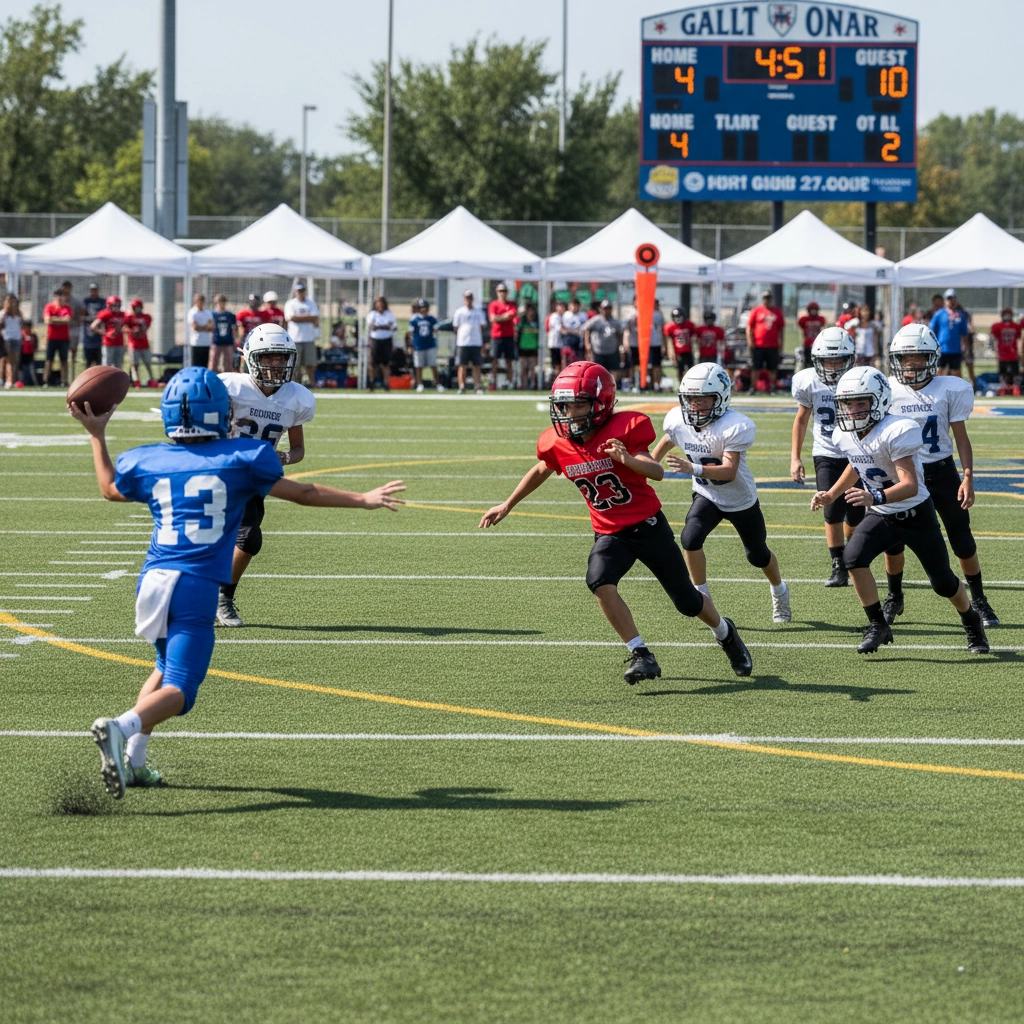
7v7 youth American football tournaments are where young athletes get their first real taste of high-speed, competitive play, but too many parents and coaches are unknowingly sabotaging their kids' chances to shine. If you've been to enough 7v7 events, you've probably seen it all: the sideline coaching disasters, the positioning blunders, and the missed opportunities that leave talented players looking ordinary.
The truth? Most of these problems are completely avoidable. After working with countless youth American football players, we've identified the patterns that separate the standout performers from the crowd. Here's what you need to know to give your young athlete the edge they deserve.
The Biggest Tournament Mistakes We See
Overcoaching from the sidelines tops our list every single time. Parents and coaches who constantly yell instructions create confused, hesitant players who second-guess every decision. Your kid can't develop field awareness if they're always looking to the sideline for the next play call. Trust the preparation you've put in during practice and let them play.
Poor pre-tournament preparation shows up immediately when teams hit the field. Too many coaches spend the week before a tournament installing new plays instead of perfecting what they already know. Your players should be running their core routes in their sleep, not learning them between games.
Misunderstanding the 7v7 format leads to tactical disasters. This isn't 11-on-11 tackle American football shrunk down; it's a distinct passing-game format that rewards speed, precision, and quick decision-making over power and complex schemes. Teams that try to run their full-field offense in 7v7 get picked apart by units that understand spacing and timing.
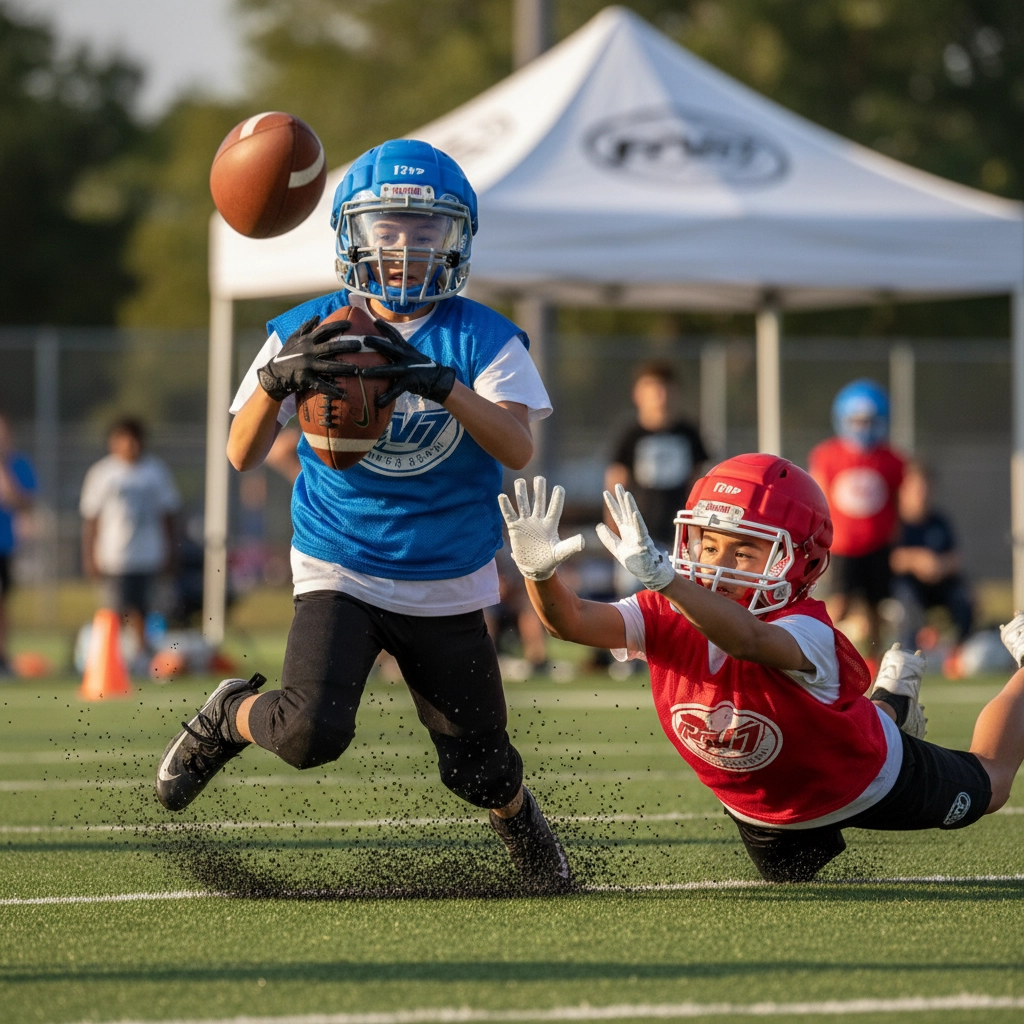
Playing not to lose instead of playing to win kills momentum before it starts. Conservative play-calling might keep scores close, but it doesn't develop playmakers. 7v7 tournament play rewards aggressive, confident decisions, and players who are coached to play it safe rarely make the impression that gets them noticed.
10 Ways to Help Your Kid Stand Out
1. Master Route Running Precision
Sharp routes separate good receivers from great ones in 7v7. While other players are running lazy patterns, your kid should be hitting their cuts at exactly the right depth with perfect timing. Practice stem and break points until they're automatic. College scouts watching these tournaments notice players who run routes like they mean something.
2. Develop Elite Ball Skills
First touch matters more in 7v7 than almost any other format. With limited space and faster defensive reactions, players who can secure catches in traffic and immediately get upfield create instant separation from the competition. Spend time working contested catches and quick releases after the catch.
3. Understand Defensive Leverage
Smart players read leverage and find the soft spots in coverage. While other kids are running into defenders, your player should be identifying whether the corner is playing inside or outside leverage and adjusting their route accordingly. This football IQ becomes obvious to anyone watching and sets players apart immediately.
4. Perfect Your Release Package
At the line of scrimmage, most young receivers have one move and hope it works. Standout players have multiple releases they can use depending on how the defender is playing them. Inside release, outside release, speed release, stutter release: each one should look identical for the first two steps.
5. Play with Controlled Aggression
Tournament environments can make players tentative or reckless. The best performers find the sweet spot: aggressive enough to attack opportunities but controlled enough to avoid costly mistakes. This mental approach becomes more important as the day wears on and fatigue sets in.
6. Communicate Constantly
While other players go silent when things get tough, leaders communicate throughout every play. Call out picks, identify open teammates, and help your quarterback with pre-snap reads. Coaches notice players who make everyone around them better, not just individual performers.
7. Study Film Between Games
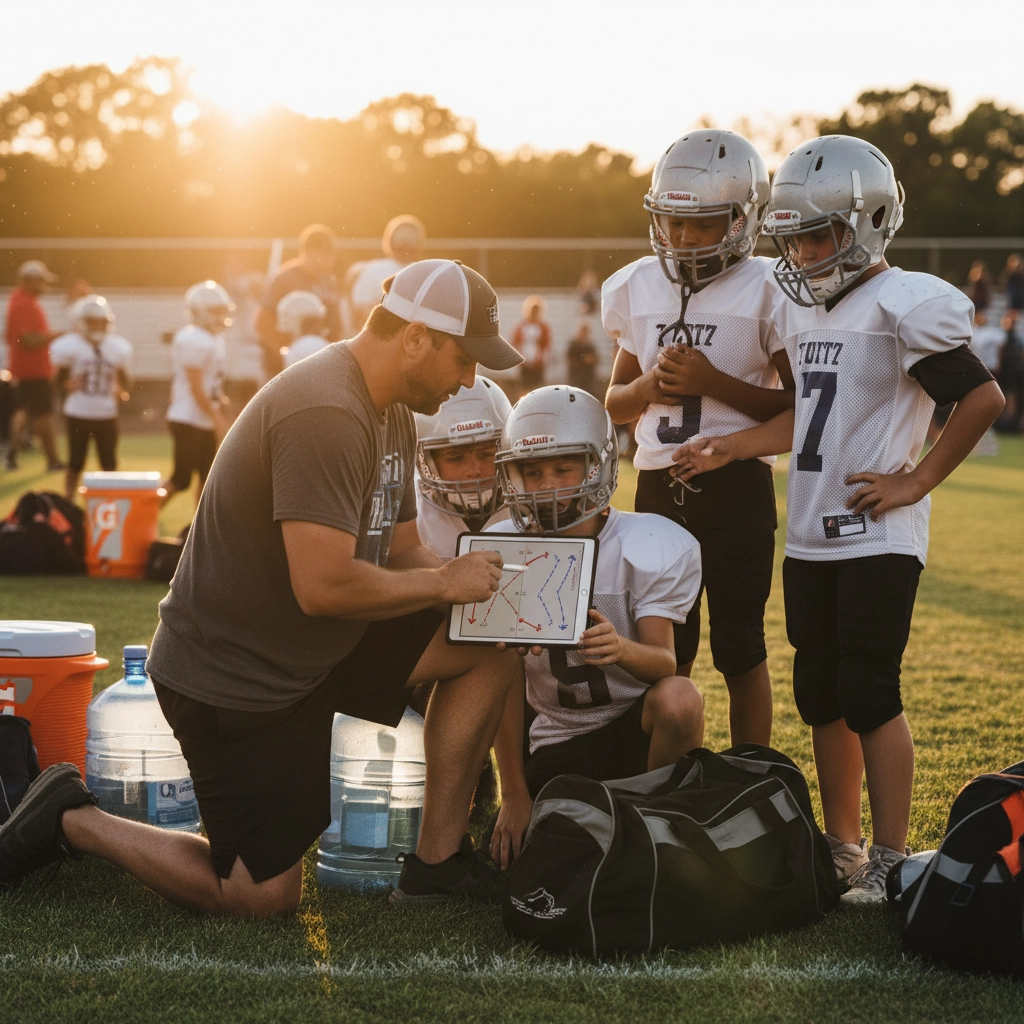
Most teams waste time between games just sitting around. Smart players and coaches use this time to review what happened in their previous games and scout upcoming opponents. Bring a tablet, watch your plays, and make quick adjustments. This preparation shows up in improved performance as the tournament progresses.
8. Focus on Footwork Fundamentals
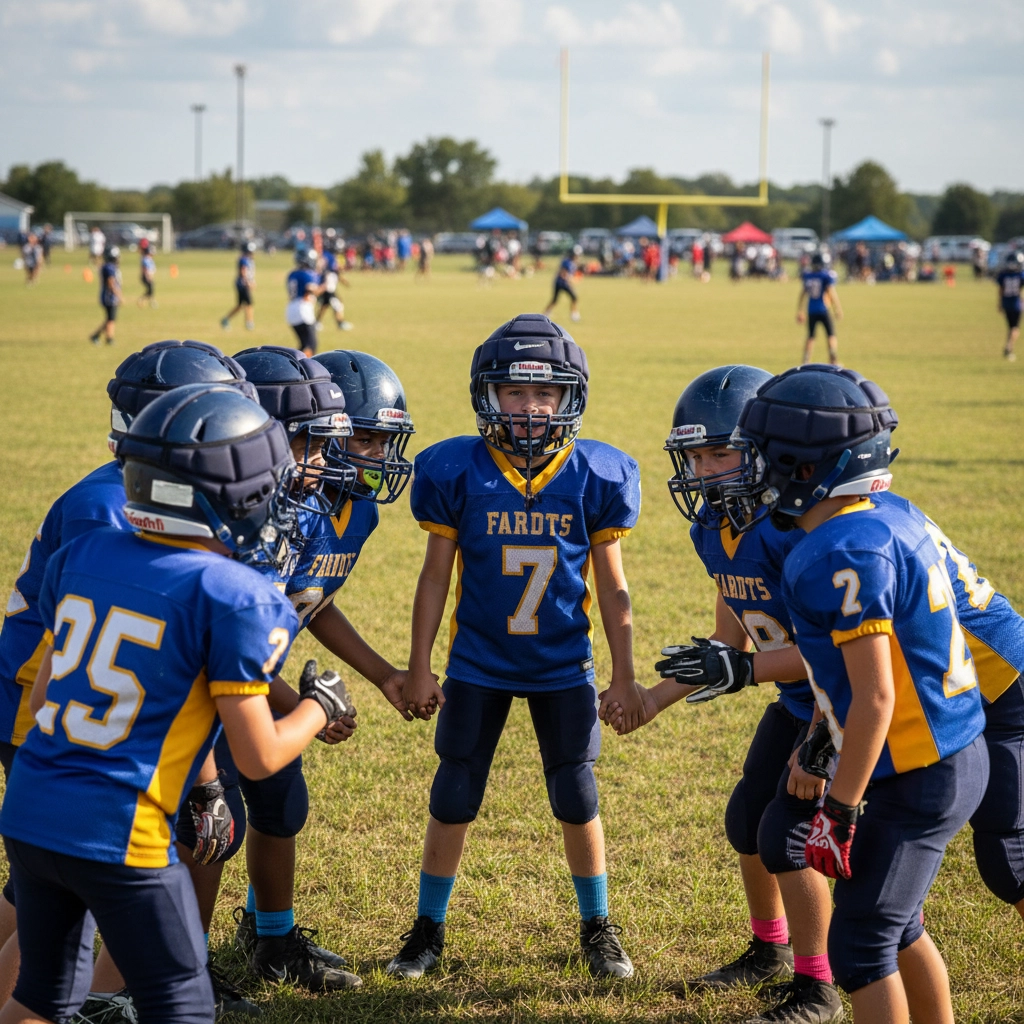
Clean footwork never goes out of style, but it becomes even more critical in the compressed spaces of 7v7. Players with precise footwork can create separation in areas where sloppy players get jammed up. Every step should have a purpose, whether you're releasing from the line or working through your route.
9. Develop Situational Awareness
Understanding down and distance, field position, and game situation helps players make smart decisions that coaches love to see. Third-and-medium requires different decision-making than first-and-goal. Players who adjust their approach based on situation demonstrate advanced football understanding.
10. Maintain Energy Throughout the Day
Tournament days are marathons, not sprints. Players who fade as the day goes on miss out on opportunities to impress during crucial games. Proper hydration, smart nutrition, and mental preparation keep your kid performing at their peak when others are dragging.
The Mental Game Makes the Difference
Beyond the technical aspects, tournament success requires mental toughness that many young players haven't developed yet. The best performers treat every play like it matters, whether they're up by three touchdowns or down by the same margin. They understand that scouts and coaches are evaluating effort and attitude, not just athletic ability.
Confidence grows throughout the day for players who are properly prepared. Each successful play builds momentum for the next one. Players who come to tournaments hoping to figure it out as they go rarely have breakthrough performances.
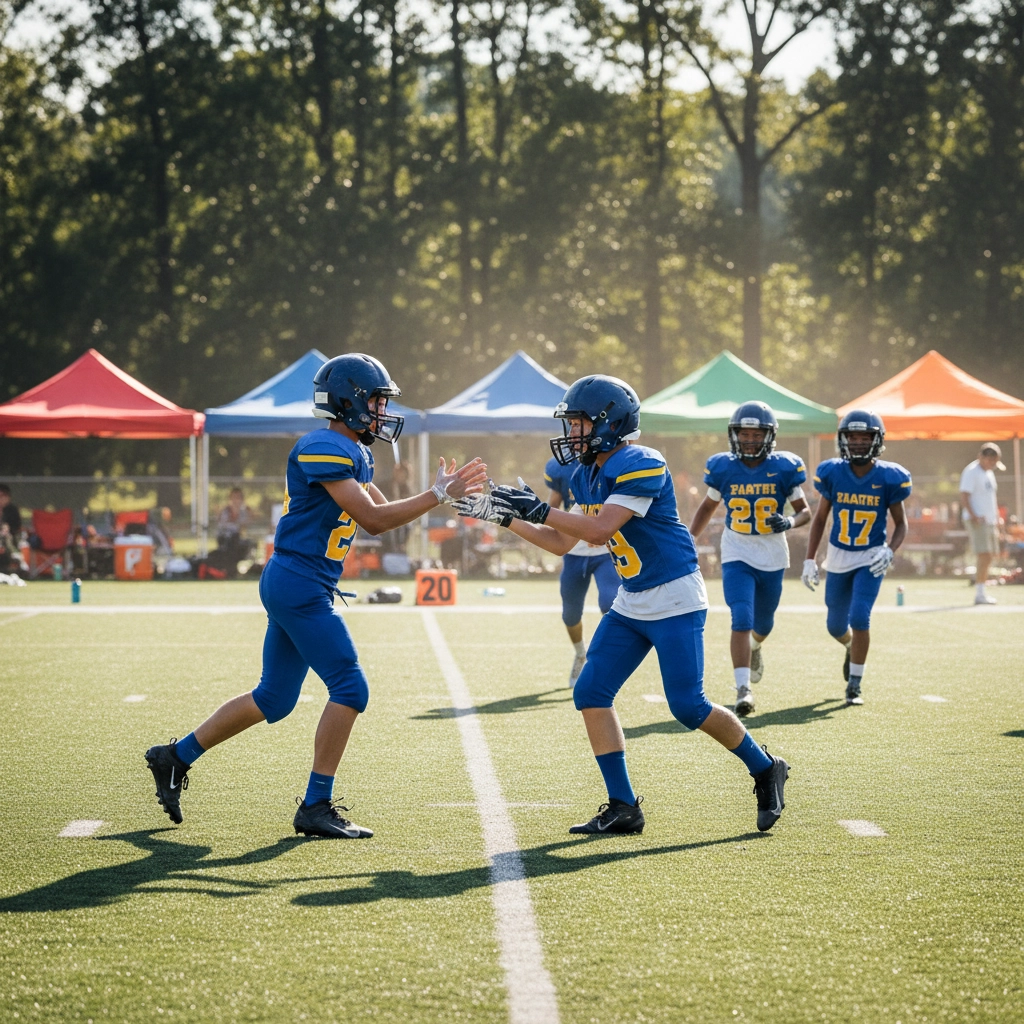
Getting the Most from Tournament Experience
Remember that 7v7 tournaments serve multiple purposes beyond just winning games. They're opportunities for skill development, exposure to different coaching styles, and experience in competitive environments that regular practice can't replicate.
The players who benefit most from tournament competition are those who approach each game as a learning opportunity. Mistakes become teaching moments instead of catastrophes. Good plays become building blocks for even better performances.
For parents, the best thing you can do is support without interfering. Your kid needs to know you're proud of their effort regardless of results. The development that happens at these tournaments often shows up weeks or months later, not necessarily during the event itself.
Setting Up for Success
Tournament performance doesn't happen by accident. It's the result of consistent preparation, smart game planning, and mental readiness that starts long before you arrive at the field. Players who understand their role, know their assignments, and have confidence in their preparation consistently outperform more talented athletes who show up unprepared.
The competitive youth American football landscape continues to evolve, but the fundamentals of tournament success remain constant. Preparation beats talent when talent doesn't prepare, and nowhere is this more obvious than in the fast-paced environment of 7v7 competition.
Your kid has the ability to stand out: it's just a matter of avoiding the common mistakes and implementing the strategies that create opportunities for success. The tournaments that matter most are coming up fast, and the time to prepare is now.
About Author