
Why Middle School Athletes Need a Digital Recruiting Presence NOW (Not in High School)
Here's a reality check that might shock you: while you're debating whether your eighth-grader is "too young" for recruiting exposure, college coaches are already building their prospect lists with middle school athletes. The question isn't whether your young athlete should start building their digital recruiting presence now: it's whether they can afford not to.
The recruiting landscape has fundamentally shifted. What used to be a high school game is now a middle school marathon, and parents who wait are putting their athletes at a massive disadvantage before they even step foot in a high school weight room.
The New Reality of College Recruiting
College football recruiting has undergone a seismic shift over the past decade. Coaches aren't just making offers to high school juniors anymore: they're identifying talent in seventh and eighth grade, tracking development through middle school, and building relationships years before most parents even think about the recruiting process.
This isn't speculation. It's happening right now, in every competitive football market across the country. While travel budgets have tightened and in-person scouting has become more selective, digital scouting has exploded. Coaches are using social media, recruiting platforms, and online highlight reels to cast wider nets and identify prospects earlier than ever before.

The math is simple: when a coach encounters 200 players at a one-day camp, the athlete who gets remembered six months later is the one who can be easily found online, whose recent highlights are accessible, and whose continued development can be followed through consistent digital content.
Why "Too Early" Is Actually "Too Late"
Let's address the elephant in the room. Many parents worry that starting a digital recruiting presence in middle school is premature, pushy, or even harmful to their child's development. This concern is understandable but misguided.
The athletes who benefit most from early digital presence aren't the ones chasing viral fame or follower counts. They're the ones methodically documenting their development, maintaining academic excellence, and building genuine connections within the football community. Starting early doesn't mean starting aggressively: it means starting strategically.
Consider this scenario: two equally talented eighth-graders attend the same showcase. One has been consistently posting training videos, game highlights, and academic achievements for eighteen months. The other is attending their first event with no digital footprint. When coaches review their notes three weeks later, which athlete is easier to find, evaluate, and remember?
The competitive disadvantage of waiting isn't theoretical: it's mathematical. By the time most athletes create their first recruiting profile in sophomore year, they're competing against players who have been building visibility and demonstrating consistent development for two to three years.
The Visibility Advantage Is Real and Measurable
Social media platforms have democratized sports recruitment by breaking down geographical barriers. A standout middle school player in rural Montana can now catch the attention of coaches from major programs who might never have seen them otherwise. But this democratization only benefits athletes who are actively participating in the digital recruiting ecosystem.
The numbers support this reality. Recruiting platforms report that athletes with consistent digital presence receive significantly more college interest than those without. Coaches use hashtags, location tags, and platform algorithms to discover talent, particularly when their travel budgets are limited. A well-managed digital presence ensures your athlete appears in relevant searches and maintains connection with coaching staffs who might otherwise lose track after brief camp interactions.
More importantly, early digital presence creates compound visibility. Each post, highlight, and interaction builds upon the previous ones, creating a comprehensive narrative of development that coaches can follow over time. Athletes who start this process in middle school have a much richer story to tell by the time serious recruiting conversations begin.
The Safe, Practical Steps to Get Started
Building a recruiting-focused digital presence doesn't mean turning your middle schooler into a social media influencer. It means creating a professional, parent-monitored foundation that will serve them throughout their athletic career.
Start with the Right Platforms
Not all social media platforms are created equal for recruiting purposes. Hudl stands apart as the most recruiting-focused platform, designed specifically for athletic film sharing with analytics that help coaches evaluate talent. Middle schoolers should prioritize building a quality Hudl profile with organized film, accurate stats, and updated academic information.
Instagram and Twitter can be valuable for broader visibility, but they require careful management. Create accounts focused specifically on athletics, maintain professional content standards, and keep personal life separate. TikTok and Snapchat, while popular with this age group, shouldn't be considered serious recruiting tools due to their casual nature and younger demographic.
Document Consistently, Not Perfectly
The most common mistake parents make is waiting for "perfect" content before starting. Consistent documentation of training, games, and development is far more valuable than sporadic highlight reels. Coaches want to see work ethic, improvement over time, and character development: not just spectacular plays.
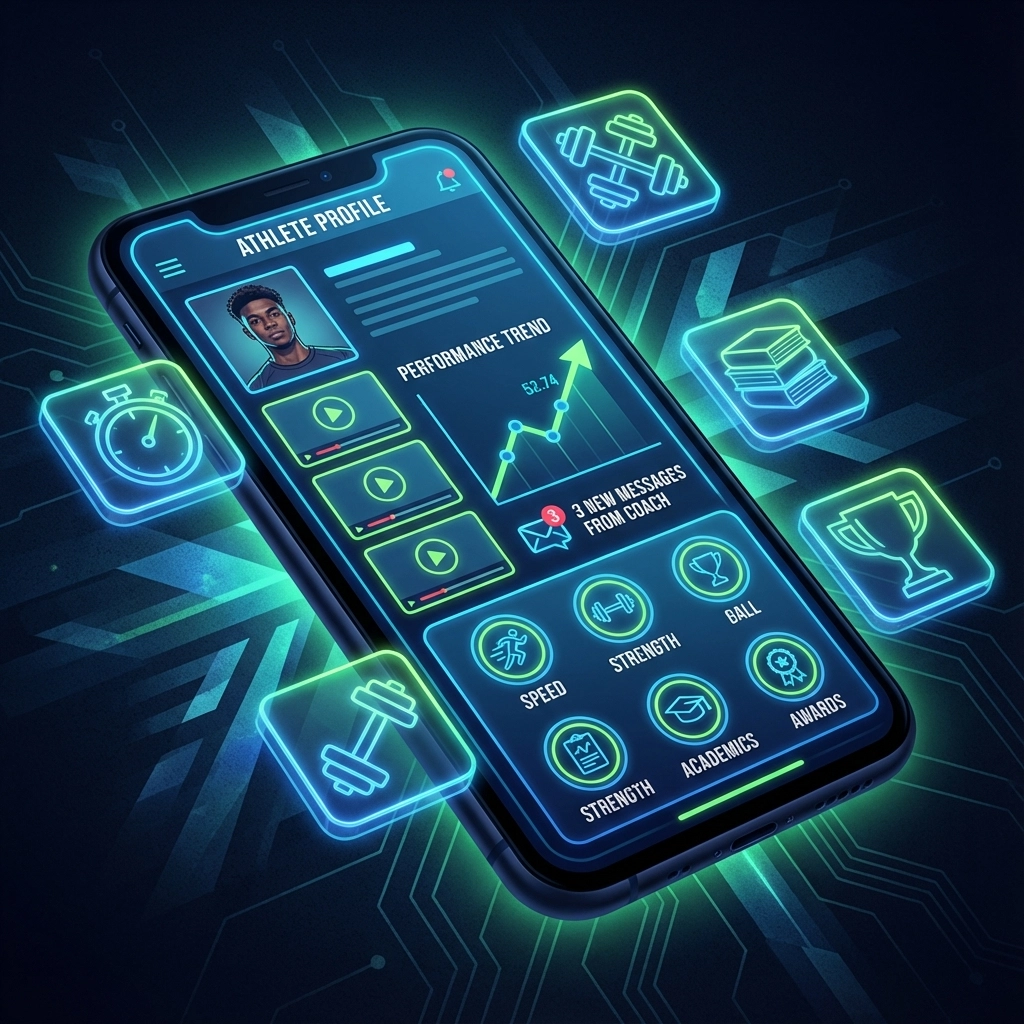
Create a content calendar that includes training sessions, game footage, academic achievements, and community involvement. This doesn't require professional videography or editing: smartphone footage and basic editing apps are perfectly adequate for building an initial presence.
Leverage NUC Sports and Similar Resources
Organizations like NUC Sports have built their reputation on identifying and developing young talent early in their careers. These platforms provide structured environments for building recruiting exposure, connecting with college coaches, and learning proper self-promotion techniques.
NUC Sports offers camps, combines, and showcases specifically designed for younger athletes, providing legitimate opportunities for exposure while teaching proper recruiting etiquette. Their platform also offers educational resources for parents navigating the recruiting process for the first time.
Managing Risks and Maintaining Privacy
The concerns about early digital presence aren't unfounded: they just need to be managed rather than avoided. The "permanency problem" is real. Middle schoolers make mistakes, post questionable content, and engage in online drama that can follow them throughout their recruiting process and beyond.
This is precisely why early presence should be intentional and monitored, not delayed. Parents should treat digital reputation management as a family responsibility, setting up Google alerts for their athlete's name, regularly reviewing posted content, and addressing any issues immediately.
Academic Balance Is Crucial
Some athletes become so focused on their digital brand that grades suffer or skill development takes a backseat to content creation. The solution isn't avoiding digital presence: it's maintaining clear priorities. Academic excellence should always come first, followed by actual skill development, with content creation serving both rather than competing with them.
Athletes should conduct regular audits of their social media presence, removing anything that doesn't reflect how they want to be represented to college coaches. This includes reviewing and cleaning up content that may date back to middle school, ensuring their digital footprint aligns with their recruiting goals.
Building Authentic Connections
The most successful middle school digital strategies emphasize authentic engagement over follower metrics. Athletes should focus on building genuine relationships within the football community by congratulating other athletes on achievements, engaging respectfully with coaches' content, and participating meaningfully in recruiting-related conversations.
This authentic approach creates lasting advantages. Coaches can distinguish between athletes genuinely passionate about the game and those simply seeking attention. The relationships built through consistent, respectful engagement often prove more valuable than any individual highlight reel.
The Time to Act Is Now
The recruiting world has fundamentally changed, and waiting for high school to begin building a digital presence is like showing up to a race after the starting gun has fired. Coaches are already watching middle school athletes, and the question isn't whether this is appropriate: it's whether your athlete will be visible and well-represented when they're being evaluated.
Building an authentic digital recruiting presence now protects your young athlete while positioning them for future success. It ensures they get noticed by the right people at the right time, and it teaches them valuable skills in personal branding and professional communication that will serve them far beyond their athletic careers.
The athletes who will dominate recruiting in the coming years aren't necessarily the most talented: they're the ones who started building their presence early, stayed consistent, and let their character and development speak through their digital footprint. The time to start is now, and at Boardwalk Beasts Football Club, we're here to help guide that journey from day one.
About Author
