How NIL Deals Are Changing the Game for High School Football Players (and What Parents Need to Know)
The game has changed forever. Since the NCAA opened the floodgates on Name, Image, and Likeness (NIL) deals in 2021, we've watched college athletics transform overnight. But here's what many parents don't realize: this revolution has trickled down to high school football, creating unprecedented opportunities: and potential pitfalls: for teenage athletes.
Your high school quarterback could be signing autographs for cash. Your linebacker might be promoting energy drinks on Instagram. Your freshman running back could have trading card deals before they can even drive. This isn't science fiction: it's happening right now across the country.
But with great opportunity comes great responsibility, and frankly, a lot of confusion. Let's cut through the noise and break down exactly what NIL means for high school football players and what you, as parents, absolutely need to know.
What NIL Actually Means for High School Football Players
NIL stands for Name, Image, and Likeness, basically, an athlete's right to profit from their personal brand. For high school football players in most states, this means they can now earn money from:
- Social media sponsorships and brand partnerships
- Autograph signings and personal appearances
- Merchandise sales featuring their name or image
- Private coaching lessons and camps
- Trading card deals and collectibles
- Local business endorsements
The key difference from college? High school athletes can't use their school's name, logo, or uniform in their marketing efforts. This is about personal branding, not school affiliation.
Some high school football players are already cashing in big time. We're talking about 10th-graders signing million-dollar trading card deals and social media influencers who haven't even taken the SATs yet earning five-figure sponsorship deals.

The New Rules Are Game-Changers
The landscape shifted dramatically in July 2025 with the House v. NCAA settlement. Here's what changed:
Players can negotiate NIL deals before college enrollment. That means high school juniors and seniors can now discuss potential NIL agreements with college programs during the recruiting process. This gives top prospects serious leverage when choosing where to play.
Disclosure requirements are stricter. Any NIL deal worth more than $600 must be disclosed, and certain agreements may face third-party review. No more handshake deals in parking lots.
Division I schools can directly pay players. This creates a ripple effect down to high school recruiting, as college programs now have more ways to attract top talent.
Performance-based pay is still off-limits. You can't pay a high school player for touchdowns scored or games won. The compensation must match the actual work performed: like a social media post or appearance.
It's Not Just About the Elite Prospects
Here's a myth we need to bust: NIL opportunities aren't reserved for five-star recruits at powerhouse programs. Athletes at smaller schools can earn NIL money too, especially if they have strong local connections or engaged social media followings.
Think about it: local restaurants, car dealerships, and retail stores want to connect with their community. A well-known high school football player who resonates with local fans can be more valuable to a regional business than a distant college star.
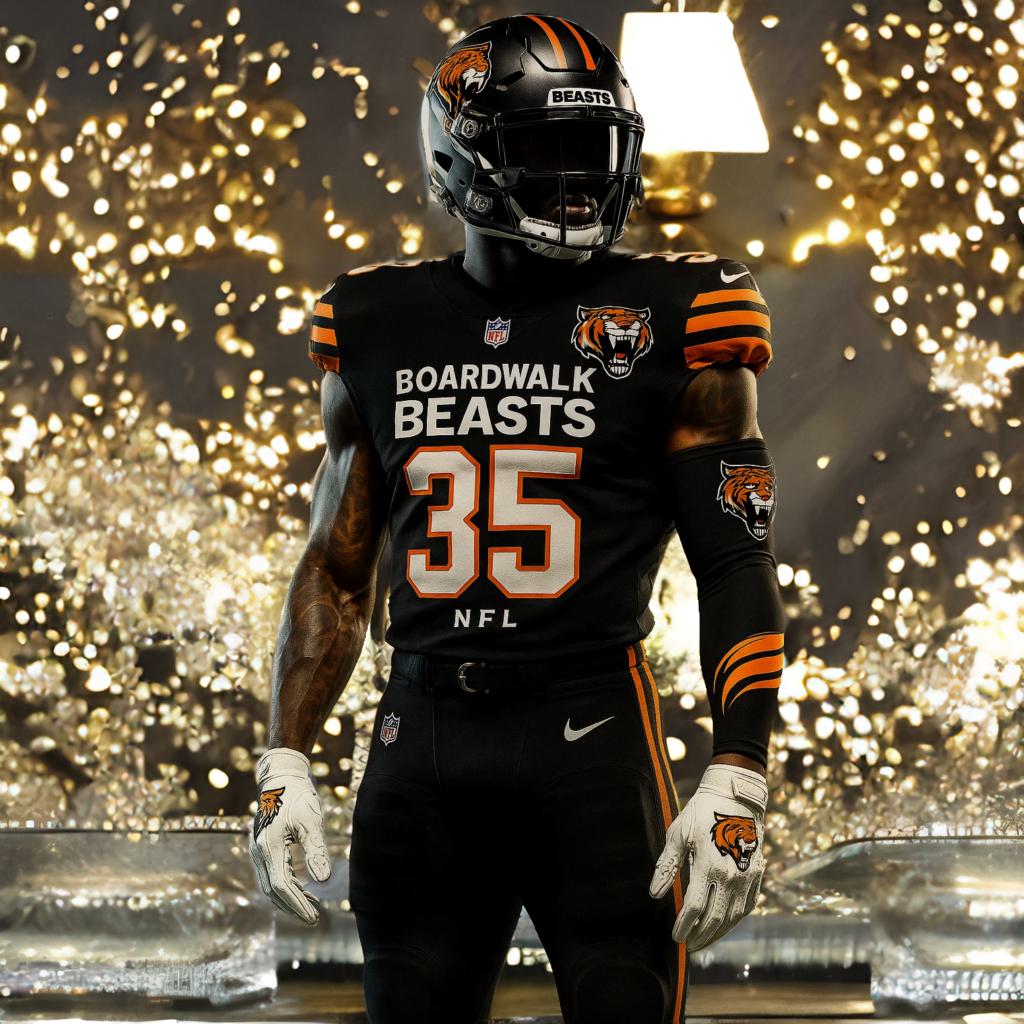
At Boardwalk Beasts Football Club, we're seeing this firsthand. Our players who actively engage with their communities and build authentic personal brands are attracting local business partnerships, regardless of their star ratings or college recruitment status.
What Parents Must Know: The Critical Details
State Rules Vary Dramatically
This is crucial: NIL laws differ significantly from state to state. What's legal in Florida might be prohibited in your state. Before your child pursues any NIL opportunity, research your state's high school sports association rules. Some states have embraced NIL for high schoolers, while others have stricter limitations.
Watch Out for Predatory Contracts
The NIL gold rush has attracted some bad actors. We're seeing contracts that claim 40% commissions, include complex fee structures, and limit an athlete's freedom to transfer schools or enter other deals. Some offers are actually loans disguised as endorsement deals.
Never let your child sign anything without having a lawyer review it first: preferably one who understands both NIL regulations and your state's specific rules.
Academic Performance Comes First
NIL deals can be demanding. Social media obligations, appearance requirements, and contract deadlines can quickly overwhelm a teenager who's already balancing football, schoolwork, and social life. Make sure any NIL opportunity enhances rather than hinders your child's academic and athletic development.

Red Flags Every Parent Should Watch For
- Upfront fees or "registration costs" to join NIL platforms
- Exclusive long-term contracts that lock your child into one agency or company
- Deals that require specific college choices or influence recruiting decisions
- Contracts with vague compensation terms or unclear work requirements
- Agreements that seem too good to be true: they usually are
How to Navigate NIL Safely
Start with education. Attend workshops, talk to other parents, and connect with coaches who understand the NIL landscape. At Boardwalk Beasts, we regularly host informational sessions for families to help them understand both the opportunities and risks.
Build authentic relationships. The most successful NIL deals come from genuine connections between athletes and brands that align with their values and interests. Encourage your child to be authentic rather than chasing every dollar.
Think long-term. A quick payday that damages your child's reputation or eligibility isn't worth it. Focus on partnerships that build their personal brand and prepare them for future opportunities.
Keep detailed records. Document all NIL activities, payments, and contracts. This protects your child's eligibility and helps with tax obligations.
Questions Every Parent Should Ask
Before your child signs any NIL deal, ask these questions:
- Is this legal under our state's high school sports association rules?
- How much time will this require, and will it interfere with academics or athletics?
- What exactly is my child required to do, and what happens if they can't fulfill the obligations?
- How does this affect their college eligibility and recruiting process?
- What percentage does the agency or platform take, and what do they provide in return?
- Can my child terminate this agreement if needed?
How Boardwalk Beasts Supports Families
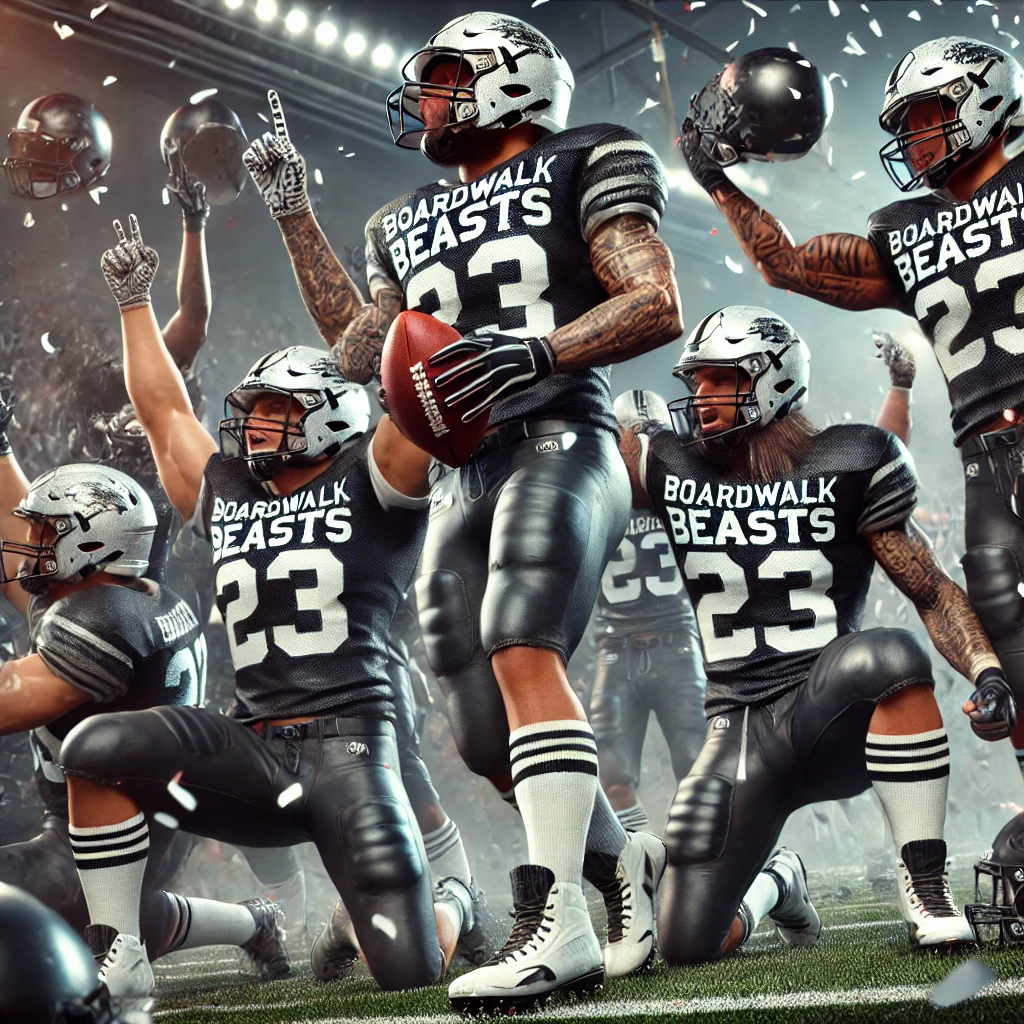
At Boardwalk Beasts Football Club, we believe in preparing our athletes for success both on and off the field. That's why we've made NIL education a priority. We host regular workshops for families, connect them with vetted legal and financial advisors, and help our players build authentic personal brands that will serve them well beyond high school football.
Our recruiting programs include NIL education as a core component, because understanding these opportunities is now essential for any serious football player's development.
The Bottom Line
NIL deals are changing high school football forever, creating real opportunities for young athletes to benefit from their talents and hard work. But with these opportunities come significant risks and responsibilities.
The key is education, caution, and keeping your child's long-term best interests at the center of every decision. Don't let the excitement of potential earnings cloud your judgment about what's truly best for your young athlete's development, education, and future.
The NIL era is here to stay. By understanding the rules, recognizing the risks, and making informed decisions, you can help your child navigate this new landscape successfully while keeping their dreams and eligibility intact.
Remember: the goal isn't just to make money: it's to build a foundation for lifelong success, both in football and beyond.
About Author
