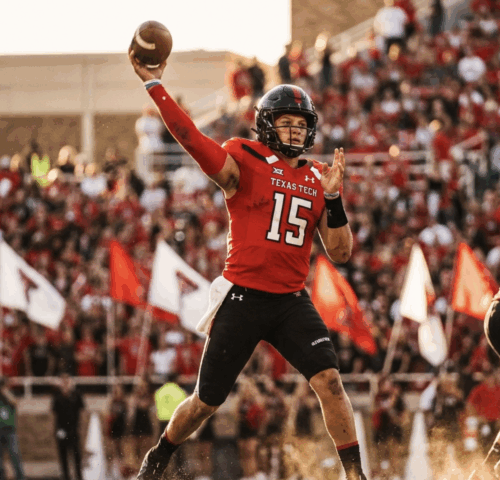
Oregon Victory Over Texas Tech: Game Recap & Key Takeaways
Want your young athlete to perform like the champions? Check out our elite training programs that develop game-changing skills and mental toughness.
Oregon delivered a masterclass in playoff football, shutting out Texas Tech 23-0 in the College Football Playoff quarterfinal Orange Bowl on New Year's Day. The Ducks' complete domination wasn't just about talent: it was about execution, preparation, and the kind of championship mindset that separates good teams from great ones.
For parents and young athletes watching this game, Oregon's performance offers a blueprint for what it takes to succeed when the stakes are highest. Let's break down exactly how the Ducks dismantled Texas Tech and what your athlete can learn from their approach.
The Game That Never Was in Doubt
From the opening drive, Oregon controlled every aspect of this game. While the 6-0 halftime lead might have seemed modest, anyone watching could see the Ducks were dictating terms. Texas Tech's offense, which had been explosive all season, looked completely out of sync against Oregon's disciplined defense.
The final score of 23-0 tells only part of the story. This was systematic destruction: the kind that happens when a team executes their game plan flawlessly while their opponent struggles to find any rhythm.
!
The Plays That Broke Texas Tech's Back
Third Quarter Fumble Recovery: Early in the third quarter, defensive lineman Uiagalelei forced a crucial fumble in Texas Tech territory. This wasn't just a lucky bounce: it was the result of relentless pressure and proper technique. Jordon Davison punched it in on the very next play, extending Oregon's lead to 13-0.
This sequence exemplified what championship teams do: they create their own luck through preparation and effort. When the opportunity presented itself, Oregon was ready to capitalize immediately.
The Red Zone Interception: With Texas Tech desperately trying to get on the board in the fourth quarter, quarterback Behren Morton threw a costly interception in the red zone. Oregon's defense had been studying film, and it showed. They knew exactly where Morton liked to go with the ball under pressure.
Fourth Down Stone Wall: Perhaps the most deflating moment for Texas Tech came when Oregon stuffed them on fourth down at their own 30-yard line. This wasn't just a defensive stop: it was a statement. Oregon's defense was saying, "We're not giving you anything."
Individual Performances That Made the Difference
Dante Moore's Steady Leadership: Moore didn't need to be spectacular, throwing for 234 yards without turning the ball over. In big games, quarterbacks often try to do too much. Moore understood his role: manage the game, make smart decisions, and let his defense and running game control the tempo.
Jordon Davison's Ground Dominance: Two rushing touchdowns tell the story, but Davison's impact went beyond the stat sheet. He consistently picked up tough yards, kept drives alive, and wore down Texas Tech's defense. His 1-yard plunge with 16 seconds remaining was the perfect exclamation point.
Atticus Sappington's Reliability: Three field goals might not grab headlines, but Sappington's consistency was crucial. In playoff football, every point matters, and having a kicker you trust in pressure situations is invaluable.
!
What Separated Oregon: The Championship Difference
Defensive Game Plan Execution: Oregon's defense didn't just stop Texas Tech: they eliminated them. Holding an opponent scoreless in a playoff game requires more than talent. It demands perfect preparation, communication, and 11 players executing as one unit for 60 minutes.
The Ducks clearly studied Texas Tech's tendencies. They knew when Morton was likely to force throws, where Texas Tech's receivers liked to run their routes, and exactly how to disrupt the Red Raiders' rhythm.
Complementary Football: Oregon's offense didn't need to be explosive because their defense was dominant. This is championship football 101: when one unit is controlling the game, the other units support and complement rather than trying to steal the spotlight.
Mental Toughness Under Pressure: Playing in a CFP quarterfinal with a semifinal berth on the line creates enormous pressure. Oregon handled it like veterans, making smart decisions and avoiding the big mistakes that often derail teams in high-stakes games.
The Road Ahead: Indiana Rematch
Oregon's reward for this dominant performance? A date with undefeated Indiana in the Peach Bowl CFP semifinal on January 9th. This isn't just any semifinal: it's a rematch of their October 11 meeting that Indiana won 30-20.
That earlier loss might be exactly what Oregon needed. They've seen Indiana's best punch and lived to tell about it. Now they get another chance, with everything on the line and the benefit of four months of improvement and preparation.
!
Lessons for Young Athletes: What Oregon Teaches Us
1. Preparation Beats Talent: Oregon's defensive performance wasn't about having better athletes than Texas Tech. It was about being better prepared. They knew their opponent's tendencies and had a plan to stop them. Young athletes should understand that the teams that prepare the most thoroughly usually win the biggest games.
2. Execute Your Role: Dante Moore didn't try to be a hero. He managed the game, made smart throws, and trusted his teammates. In youth football, players often try to do everything themselves. Championship teams have players who excel in their specific roles.
3. Complementary Success: Oregon's offense didn't need to score 40 points because their defense was shutting out the opponent. Young athletes should learn that success comes from all three phases working together, not from individual heroics.
4. Respond to Adversity: Remember, Oregon lost to Indiana earlier in the season. Instead of letting that defeat define them, they used it as motivation and a learning experience. Young athletes will face setbacks: champions use them as stepping stones.
5. Mental Toughness in Big Moments: The bigger the stage, the more important it becomes to stick to your fundamentals and trust your preparation. Oregon didn't get fancy or try to do too much. They executed their game plan with precision.
6. Create Your Own Luck: That crucial fumble recovery wasn't lucky: it was the result of consistent pressure and proper technique. Young athletes should understand that "lucky" breaks usually come to the teams that work hardest and execute best.
The Championship Mindset
What made Oregon's performance so impressive wasn't just the shutout or the comfortable victory. It was how they approached a high-pressure playoff game with the same disciplined execution they'd use in any other game.
They didn't change who they were because the lights were brighter. They just did what they do, only better. That's the mark of a championship-caliber team.
For young athletes and their parents, this game provides a perfect example of what it takes to perform when everything is on the line. It's not about being perfect: it's about being prepared, staying disciplined, and trusting your teammates.
Oregon now heads to the semifinal with confidence, momentum, and the satisfaction of a complete team performance. More importantly, they've shown they can rise to the occasion when the stakes are highest.
Whether they can capture their first national championship remains to be seen, but this dominant victory over Texas Tech proved they belong on college football's biggest stage. For young athletes dreaming of similar success, Oregon's path offers a clear blueprint: prepare thoroughly, execute precisely, and never let pressure change who you are.
Ready to develop the championship mindset and skills that separate good athletes from great ones? Explore our comprehensive training programs and start building the foundation for your own breakthrough moments. Visit boardwalkbeastsfb.com to learn more about developing elite-level football skills and mental toughness.
About Author