
No. 1 Edge Rusher Chaz Coleman Commits to Tennessee
Ready to dominate like the elite? Check out our recruiting programs and see how Boardwalk Beasts Football Club prepares young athletes for the next level.
In a seismic shift that's sending shockwaves through college football, Chaz Coleman, the nation's top-ranked edge rusher in the transfer portal, has committed to the Tennessee Volunteers. The 6-foot-4, 220-pound defensive weapon chose Rocky Top over powerhouse programs Ohio State and South Carolina, bringing three years of eligibility and elite pass-rushing potential to Josh Heupel's defense.
This isn't just another transfer commitment: it's a statement. Coleman, ranked as the No. 1 edge rusher and No. 5 overall prospect in 247Sports' Transfer Rankings, represents the type of game-changing defensive addition that can transform a program's championship aspirations overnight.

From Penn State to Rocky Top: Coleman's Journey
Coleman's path to Tennessee tells the story of modern college football recruiting. After spending his true freshman season at Penn State, where he appeared in nine games and flashed his disruptive potential, the young pass rusher entered the transfer portal seeking a fresh start and expanded opportunities.
His Penn State numbers might look modest: eight total tackles, three tackles for loss, one sack, a forced fumble, and a pass breakup: but those stats don't tell the complete story. Coleman consistently pressured opposing quarterbacks and showed the type of raw athleticism that NFL scouts drool over. More importantly, he demonstrated the football IQ and technique that separates elite pass rushers from the pack.
What makes Coleman's commitment to Tennessee so significant isn't just his on-field production, but his proven ability to perform in high-pressure situations. Playing meaningful snaps as a true freshman in the Big Ten requires a special combination of mental toughness and physical ability: qualities that translate directly to SEC football.
Why This Is a Game-Changer for Tennessee Defense
Josh Heupel inherited a Tennessee program that needed defensive upgrades across the board. While the Volunteers' high-octane offense grabs headlines, championship-caliber teams are built on dominant defenses. Coleman's arrival addresses Tennessee's most critical need: consistent quarterback pressure.
The timing couldn't be more perfect. Tennessee lost its top three edge rushers from the 2025 season, creating a massive hole in their pass-rushing rotation. Coleman doesn't just fill that void: he elevates the entire defensive front to elite status.
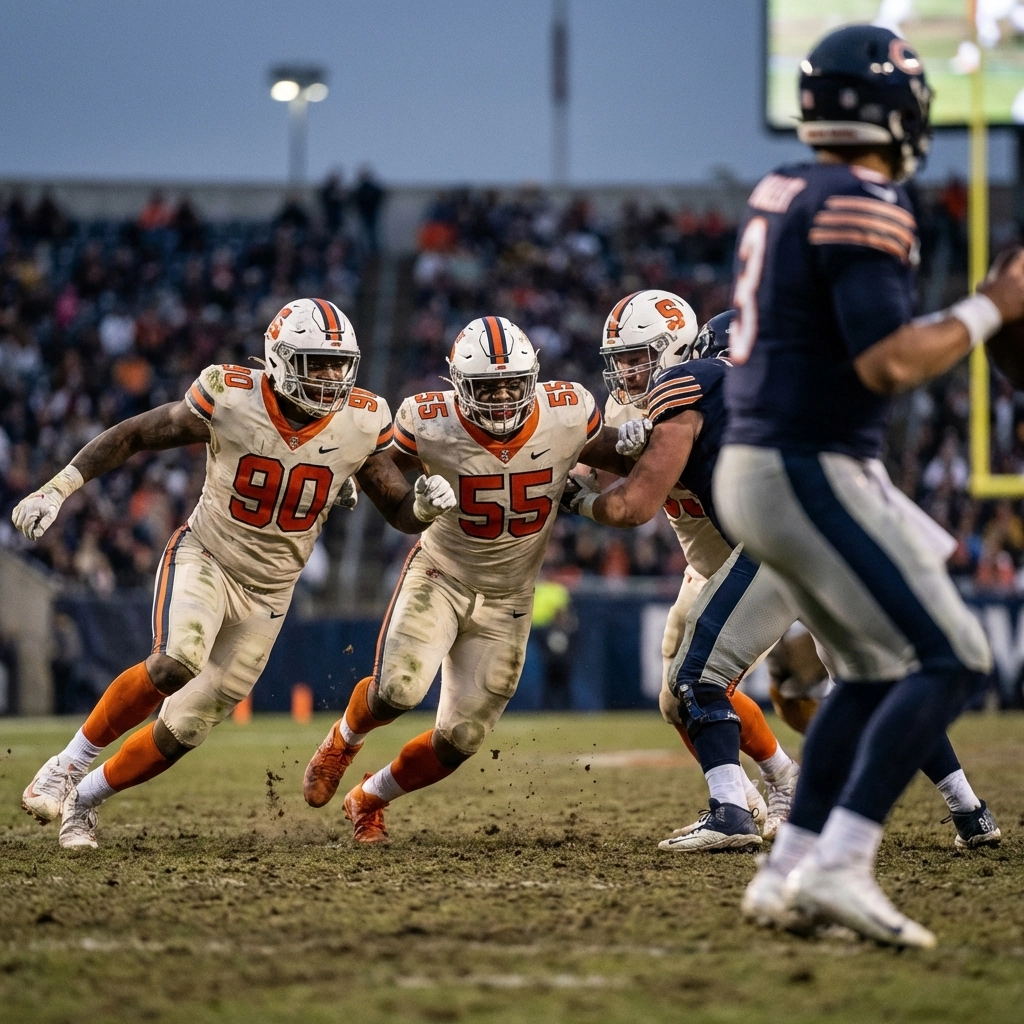
Here's what Coleman brings to Rocky Top:
Elite Pass-Rush Technique: Coleman's combination of speed, power, and hand usage allows him to win matchups against both tackles and tight ends. His ability to set the edge against the run while maintaining pass-rush lanes makes him a three-down player.
Versatility: At 220 pounds with room to add bulk, Coleman can rush from multiple positions. Tennessee's defensive coordinator can deploy him as a traditional edge rusher, drop him into coverage, or even kick him inside on passing downs.
Leadership Potential: Despite his youth, Coleman's Big Ten experience provides invaluable leadership for a defense that needs veteran presence. His work ethic and football intelligence will elevate the play of teammates around him.
The Coaching Connection That Sealed the Deal
The most compelling aspect of Coleman's Tennessee commitment lies in the coaching relationships that made it possible. When Tennessee hired Jim Knowles as defensive coordinator, they didn't just get one of college football's brightest defensive minds: they got someone who already knew how to maximize Coleman's potential.
Knowles coached Coleman at Penn State and witnessed firsthand the young pass rusher's disruptive ability. This familiarity eliminates the typical adjustment period that comes with new systems and new coaches. Knowles knows exactly how to deploy Coleman's skill set within Tennessee's defensive scheme.
The connections run even deeper. Andrew Jackson, Coleman's former defensive line coach at Penn State, joined Tennessee's defensive staff, creating an even stronger bridge between Coleman's past development and future success. This coaching continuity provides Coleman with mentors who understand his strengths, weaknesses, and untapped potential.
Defensive Scheme Fit: Perfect Storm in Knoxville
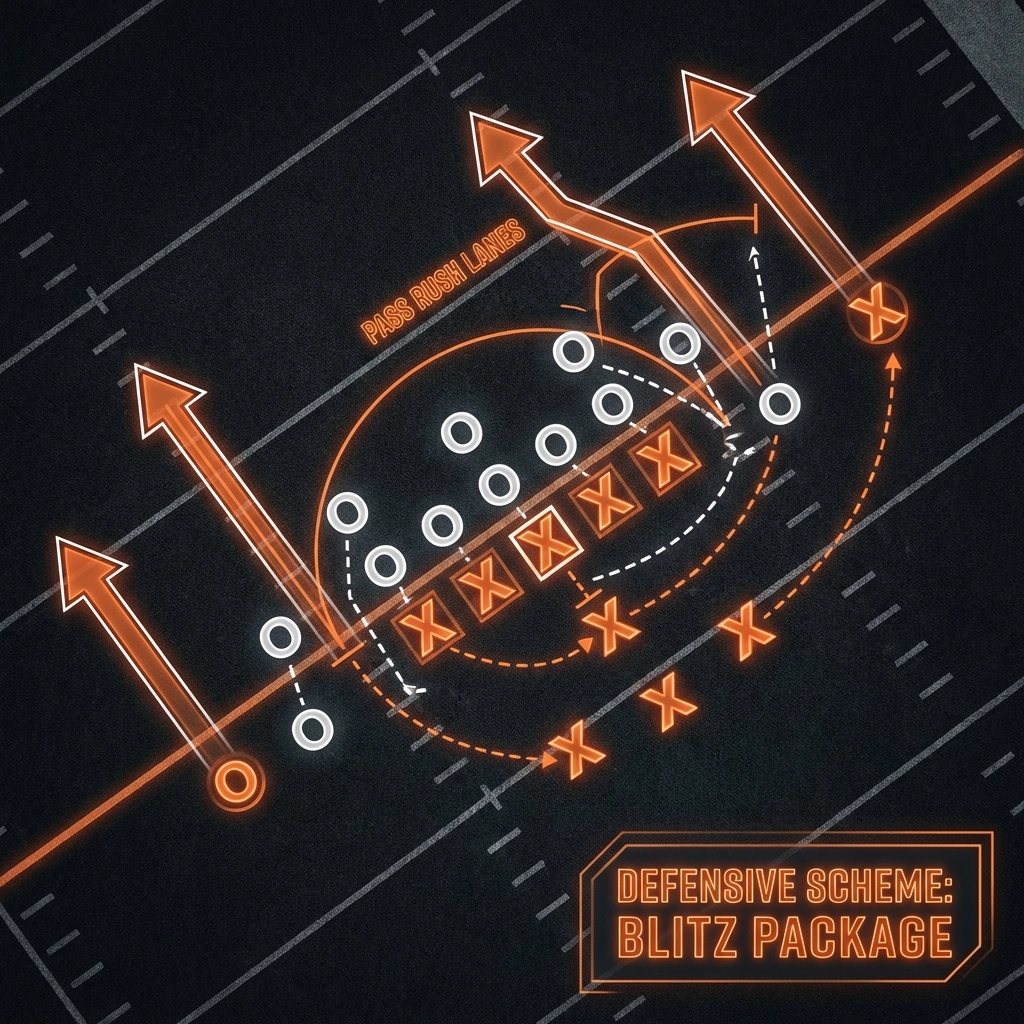
Tennessee's defensive scheme under Knowles creates ideal conditions for Coleman to thrive. The Volunteers employ an aggressive, attacking style that allows edge rushers to pin their ears back and hunt quarterbacks. Unlike some defensive systems that prioritize gap discipline over pass rush, Tennessee's approach maximizes Coleman's natural instincts and athleticism.
The scheme's multiple fronts and exotic blitz packages mean Coleman won't face consistent double teams or chip blocks. Tennessee's defense creates confusion for offensive coordinators, freeing up pass rushers to win one-on-one matchups: exactly where Coleman excels.
Moreover, Tennessee's secondary improvements allow the pass rush more time to reach quarterbacks. When defensive backs can cover for an extra second or two, edge rushers like Coleman can complete their rush moves and generate game-changing pressures.
Transfer Portal Domination: Tennessee's Master Class
Coleman's commitment represents the crown jewel in Tennessee's aggressive transfer portal strategy. The Volunteers haven't just added talent: they've systematically addressed weaknesses while building depth at critical positions.
Tennessee's 2026 transfer class currently ranks 13th nationally but leads the nation in average player rating according to 247Sports. This metric reveals the Volunteers' strategy: prioritize elite talent over quantity. Coleman joins fellow Penn State transfers safety Dejuan Lane, defensive tackle Xavier Gilliam, and linebacker Amare Campbell, creating a Nittany Lion pipeline that's paying immediate dividends.
The defensive focus of Tennessee's transfer additions tells a clear story. Heupel and his staff recognized that championship-caliber offenses mean nothing without complementary defensive performance. By landing Coleman and other elite defensive transfers, Tennessee has positioned itself for breakthrough success in the ultra-competitive SEC.

What Young Athletes Can Learn
Coleman's journey from Penn State to Tennessee offers valuable lessons for young athletes navigating their own football careers. His story demonstrates several key principles that apply at every level:
Development Takes Time: Coleman didn't burst onto the scene immediately at Penn State, but he continued working and improving his craft. Young athletes at programs like Boardwalk Beasts Football Club learn that patience and persistence often separate good players from great ones.
Relationships Matter: The coaching connections that brought Coleman to Tennessee highlight the importance of building strong relationships with mentors and coaches. These relationships can open doors and create opportunities throughout an athlete's career.
Fit Matters More Than Prestige: Coleman chose Tennessee over Ohio State, demonstrating that the right system and opportunity matter more than program rankings. Young athletes should prioritize situations where they can maximize their potential and contribute meaningfully.
The Ripple Effect
Coleman's commitment creates ripple effects throughout college football recruiting. His decision validates Tennessee's defensive vision under Knowles and Jackson while sending a message to other elite transfer targets that the Volunteers are serious about competing for championships.
For SEC opponents, Coleman's arrival raises the stakes significantly. Georgia, Alabama, and other conference powers now face the prospect of game-planning against an elite pass rusher who has three years to develop within Tennessee's system.
The commitment also impacts high school recruiting. Elite defensive prospects see Tennessee landing transfers like Coleman and recognize the program's commitment to defensive excellence. This success in the transfer portal often translates to improved high school recruiting classes.

Looking Ahead: Championship Implications
Coleman's three years of eligibility provide Tennessee with both immediate impact and long-term stability. Unlike graduate transfers who offer only one season of production, Coleman represents a cornerstone piece that the Volunteers can build around for multiple seasons.
His development arc suggests even better things ahead. If Coleman produced at a freshman level in the Big Ten while adjusting to college football, imagine his potential after a full offseason in Tennessee's strength and conditioning program under coaches who know his game intimately.
The SEC's quarterback-rich environment provides perfect testing grounds for Coleman's skills. Facing elite signal-callers weekly will accelerate his development while showcasing his abilities to NFL scouts who closely monitor SEC action.
The Bottom Line
Chaz Coleman's commitment to Tennessee represents more than just another transfer portal addition: it's a program-defining moment that signals the Volunteers' championship ambitions. The combination of elite talent, perfect scheme fit, and established coaching relationships creates ideal conditions for both individual and team success.
For young athletes dreaming of college football success, Coleman's journey illustrates the importance of continuous improvement, strong relationships, and making decisions based on fit rather than prestige. His story reminds us that the best opportunities often come to those who are prepared to seize them.
Ready to start your own journey to the next level? Explore our recruiting programs and see how Boardwalk Beasts Football Club develops elite athletes. Visit boardwalkbeastsfb.com to learn more about our competitive training programs.
About Author
