
Why Everything You Know About “Perfect” Sprint Form Might Be Wrong: Insights from Fred Duncan
Ready to take your game to the next level? Check out our elite training programs and camps at MyFootballCamps, join the pride at Boardwalk Beasts, and get expert coaching insights at CoachSchuman.com.
Imagine a coach on the backstretch, red-faced and barking cues about arm-swing angles while their athlete’s rhythm fractures into mechanical static. The sprinter is "checking boxes" for technical correctness, yet their ground contact time is climbing and their velocity is cratering. This is the paradox of the "perfect" form trap. We’ve all seen it: the athlete who looks like a textbook illustration but runs like they’re stuck in wet concrete.
At Boardwalk Beasts Football Club, we’re obsessed with speed. But we’re also obsessed with what actually works on the field, not just what looks good in a slow-motion Instagram reel. Recently, insights from performance expert Fred Duncan have challenged the traditional "robotic" approach to sprint coaching. If you want to be faster, it’s time to stop over-thinking the angles and start understanding how the human body actually produces power.
Technical Correctness vs. Efficiency: The Death of Micromanagement
For decades, the track and football worlds have been obsessed with "technical correctness." We’ve been told there is one "right" way to run. High knees, dorsiflexed toes, 90-degree arm swings. But here’s the reality: if you force an athlete into a movement pattern that doesn't fit their specific anatomy, you aren't making them faster; you're making them inefficient.
Fred Duncan argues that moving away from mechanical micromanagement is the first step toward elite speed. When a coach over-cues: meaning they give too many instructions at once: the athlete’s brain enters a state of "paralysis by analysis." Instead of reacting to the ground, they are thinking about their elbows.
Efficiency is about the path of least resistance. It’s about how much energy you can put into the ground versus how much you waste moving sideways or fighting your own joints. True speed comes from a fluid, violent relaxation. If you look "perfect" but feel tight, you’re losing the race.
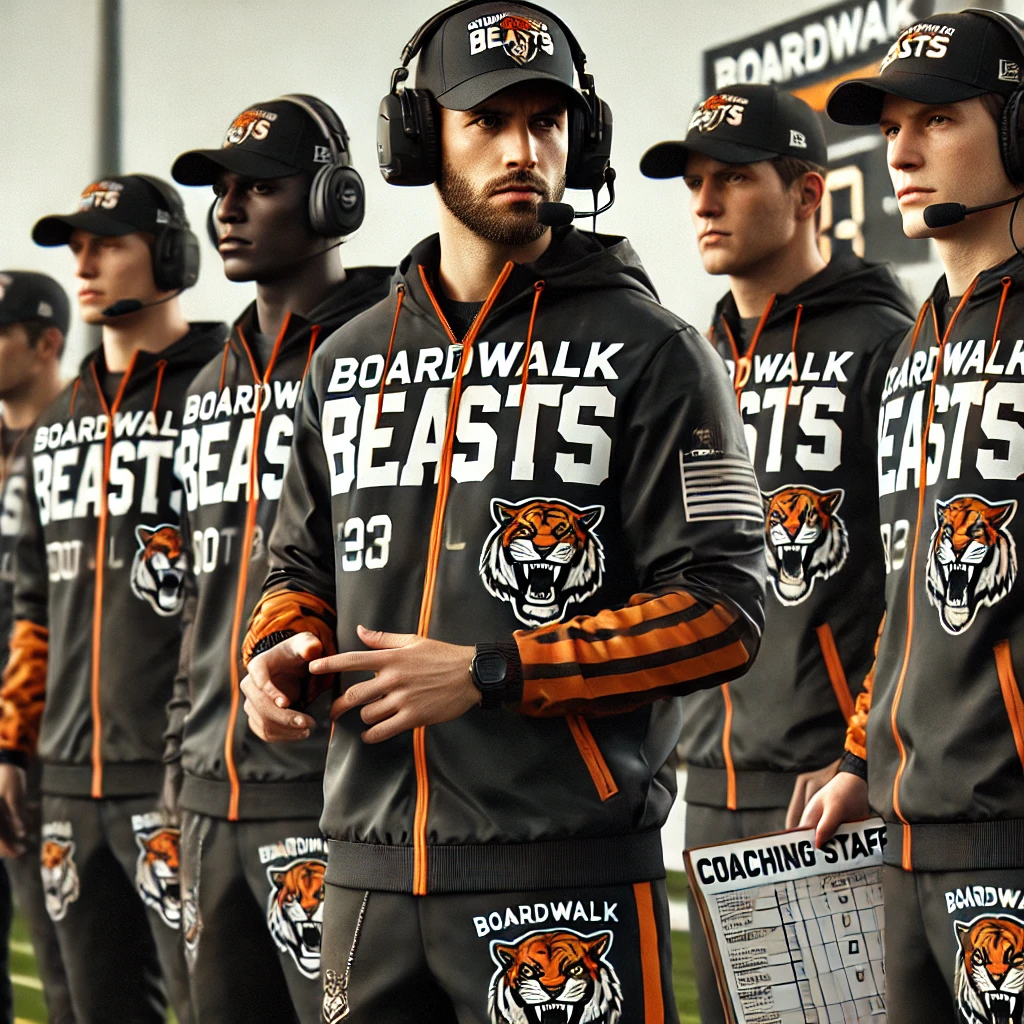
The ‘Silent Coach’: Letting the Nervous System Lead
The most powerful coach you will ever have isn’t standing on the sideline with a whistle. It’s your own Central Nervous System (CNS). Duncan refers to this as the "Silent Coach." Your body is a biological supercomputer designed to solve for one variable: survival (or in this case, getting from Point A to Point B as fast as possible).
When we sprint, the body naturally tries to find the most efficient way to handle the massive forces being generated. If a coach steps in and tries to manually override those natural solutions with rigid cues, the rhythm breaks.
The goal of a great coach isn't to dictate every movement; it’s to create an environment where the athlete’s nervous system can "solve" for speed naturally. This means using drills that force the body into the right positions without the athlete having to think about them. It means letting the body figure out how to stabilize the core while the legs are churning at max velocity.
The Trap of Chasing 10m PRs at the Cost of Durability
In the world of football recruiting and combines, the 10-yard split is king. Everyone wants to boast a lightning-fast start. But there is a dangerous trap here that many young athletes and over-eager coaches fall into: chasing 10m personal records at the expense of long-term durability.
Sprinting at 100% intensity is the most taxing thing a human body can do. If you are redlining your system every single day just to shave a hundredth of a second off your start, you are playing with fire. High-intensity sprinting causes massive neural fatigue and puts extreme stress on the hamstrings and adductors.
At Boardwalk Beasts, we focus on the "Big Picture." A fast 10m split means nothing if you’re sitting on the bench with a Grade 2 hamstring strain during the playoffs. Speed development must be balanced with durability. This means understanding when to push and, more importantly, when to pull back. You can't build a Ferrari engine and put it in a cardboard chassis.
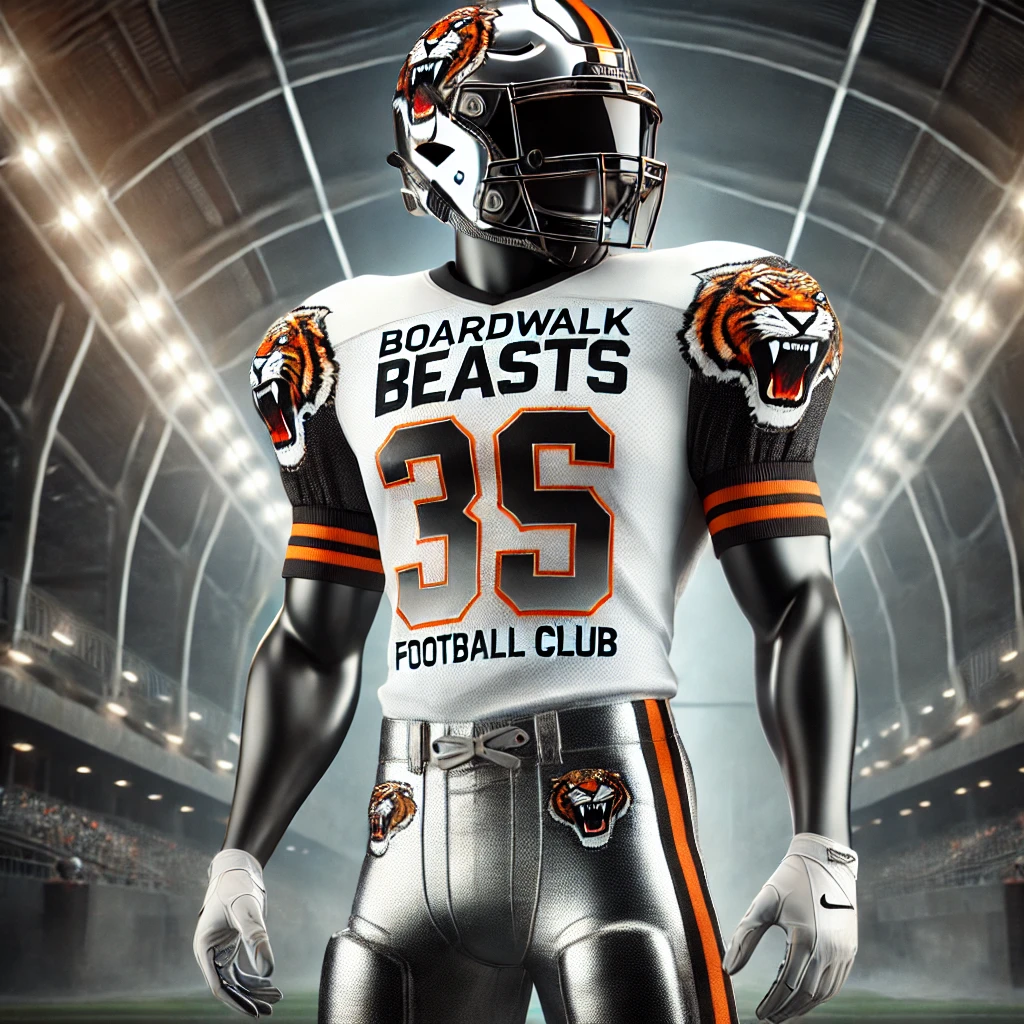
Shift from ‘Right’ to ‘Better’: Individualized Elite Development
If you look at the top ten 100m sprinters in history, do they all look the same? No. Usain Bolt runs differently than Tyson Gay. Michael Johnson had a completely unorthodox upright style that coaches would try to "fix" today. Yet, they were all world-class.
The shift in elite development should be moving away from what is "right" (the textbook) to what is "better" for the individual athlete. Every player has different limb lengths, different muscle insertion points, and different levels of fascia elasticity.
Fred Duncan’s approach emphasizes individualized analysis. Maybe an athlete’s "perfect" form involves a slightly different torso lean because they have a longer lever in their femur. Maybe their arm swing is wider because of their shoulder mobility. As long as they are hitting the key metrics: low ground contact time and high vertical force: the "look" of the sprint is secondary to the output.
Check out our Recruiting Programs to see how we help athletes showcase their unique speed to college scouts.
The Three Pillars: Rest, Volume, and Intelligent Strength Training
You don’t get faster while you’re sprinting. You get faster while you’re recovering from the sprint. This is where most youth programs fail. They equate "hard work" with "speed work." If you’re huffing and puffing and doing 20 reps of 40-yard dashes, you aren't doing speed work; you’re doing conditioning. And conditioning makes you slow.
To get faster, you need these three pillars:
- Proper Rest: True speed requires full recovery between reps. If you aren't resting 1 minute for every 10 yards sprinted, your nervous system hasn't recovered enough to produce the maximal force required to actually get faster.
- Intelligent Volume: You need enough volume to stimulate adaptation, but not so much that you move into a state of "junk miles." Quality over quantity, every single time.
- Intelligent Strength Training: Lifting weights shouldn't just be about getting "big." It should be about increasing your "force floor." If you can squat more (with proper mechanics), you have the potential to put more force into the ground. But that strength must be transferable. If you’re just a "weight room warrior" who can’t move, you’re missing the point.

Cues Should Be Brief and Effective
If you’re a coach or a parent, stop giving long-winded explanations during a workout. The athlete’s brain is busy trying not to fall over while moving at 20 mph. They can’t process a paragraph.
Cues should be "External" and "Brief."
- Instead of: "Make sure you extend your hip at a 45-degree angle and drive your knee up."
- Try: "Push the ground away." or "Rip the track."
External cues: focusing on the effect of the movement on the environment: are proven to be more effective than internal cues (focusing on body parts). It allows the "Silent Coach" (the nervous system) to find the best way to achieve the goal.
The Boardwalk Beasts Edge
At the end of the day, speed is the ultimate currency in football. Whether you're a wide receiver trying to blow past a corner or a linebacker closing the gap on a running back, the fastest player usually wins. But we don't just want "fast" players; we want smart, durable, and efficient athletes.
We take the principles shared by experts like Fred Duncan and apply them to our Skill Camps and Elite Series. We don't coach robots. We build beasts.
If you’re tired of the same old "run 'til you puke" mentality and you want to actually unlock your top-end velocity, it’s time to change your approach. Stop chasing "perfect" and start chasing "better."

Don't get left in the dust. Step up your game today:
- Find a camp near you: NUC Sports Schedule
- Join the most competitive club in the region: Boardwalk Beasts FB
- Learn from the best: Coach Schuman’s Insights
After publishing, Penny will notify Sonny (social media manager) with the link for social media posting. All athletes looking to take the next step should head to BoardwalkBeastsFB.com for team updates and tryout information.
About Author
