
Why 7v7 Football Is Becoming the Secret Weapon for College Recruiting Exposure
The recruiting game has completely changed. Gone are the days when high school coaches could simply send grainy game film to college programs and hope for the best. Today's top recruits are being discovered through a fast-paced, high-intensity format that's revolutionizing how college coaches evaluate talent: 7v7 football.
What started as an offseason training tool has exploded into the most efficient recruiting pipeline in youth football. Major college programs now send entire coaching staffs to 7v7 tournaments, treating them like combines where they can evaluate dozens of prospects in a single weekend. For athletes serious about playing at the next level, 7v7 isn't just an option anymore: it's essential.
More Reps, More Opportunities, More Exposure
Traditional high school football seasons offer limited opportunities to showcase talent. Players get 10-12 games max, and depending on their team's offensive system, skill position players might only see 20-30 meaningful touches per game. That's not nearly enough exposure for college coaches to make informed decisions about scholarships.
7v7 flips this equation completely. Tournament weekends feature 6-8 games in two days, with non-stop action and every snap designed to highlight individual skills. A wide receiver who might catch 25 passes in an entire high school season can easily see that many targets in a single 7v7 tournament.
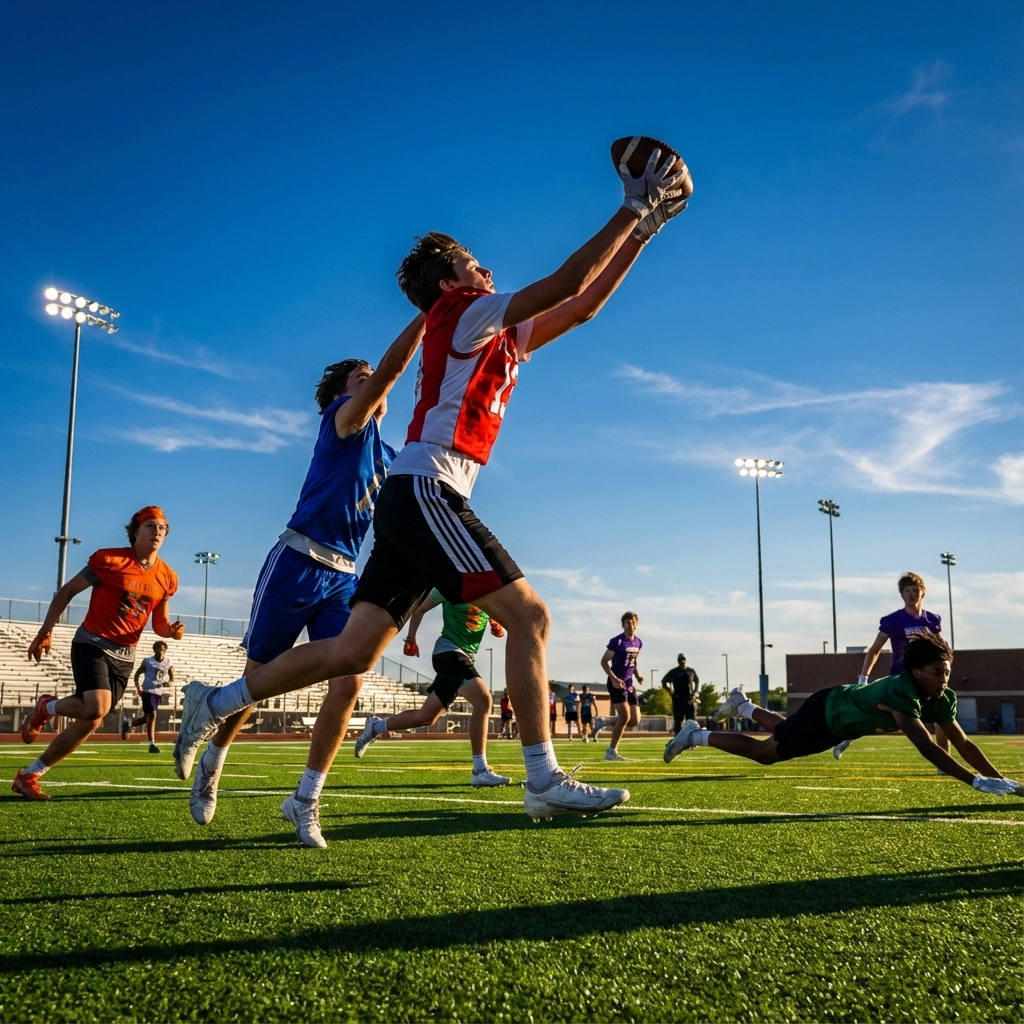
The math is simple: more reps equals more opportunities to make game-changing plays. And more game-changing plays mean more chances to catch the attention of college recruiters who are actively looking for that next difference-maker.
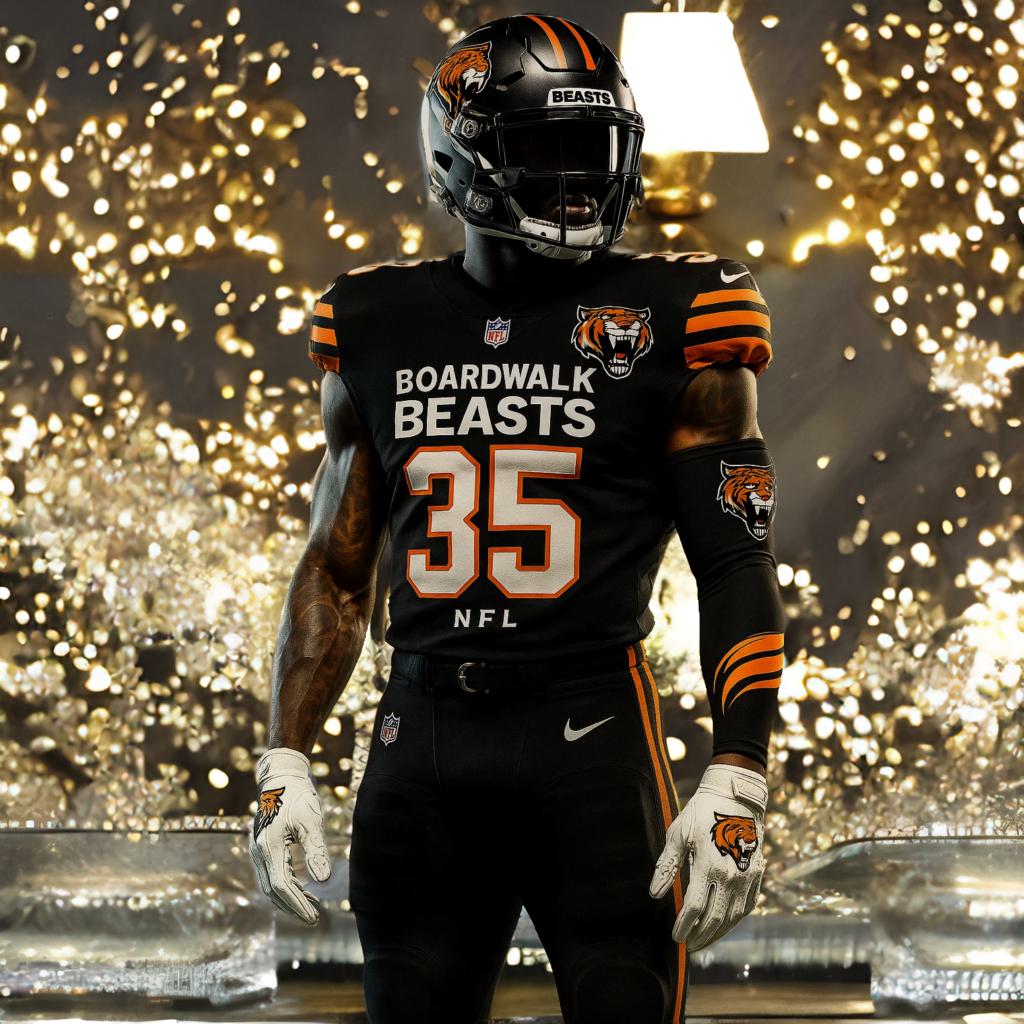
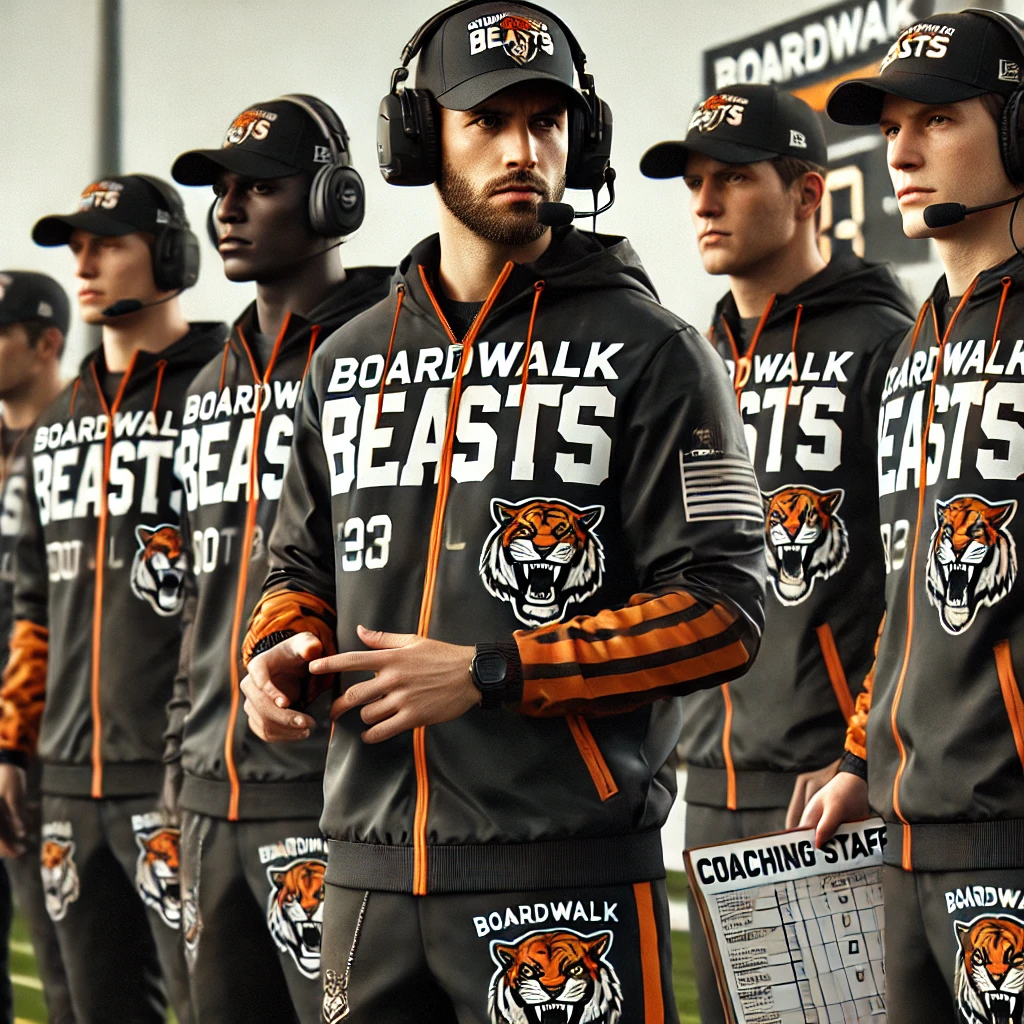
At Boardwalk Beasts, our players understand this advantage. They're not just competing in their local high school league: they're taking on elite competition from across the region, sometimes multiple times per month during peak season.
College Coaches Love the Evaluation Efficiency
For college recruiting coordinators managing hundreds of prospects across dozens of states, 7v7 tournaments are a goldmine of efficiency. Instead of spending entire Fridays driving to different high school games to evaluate one player, coaches can watch 50+ prospects compete in the same location over a single weekend.
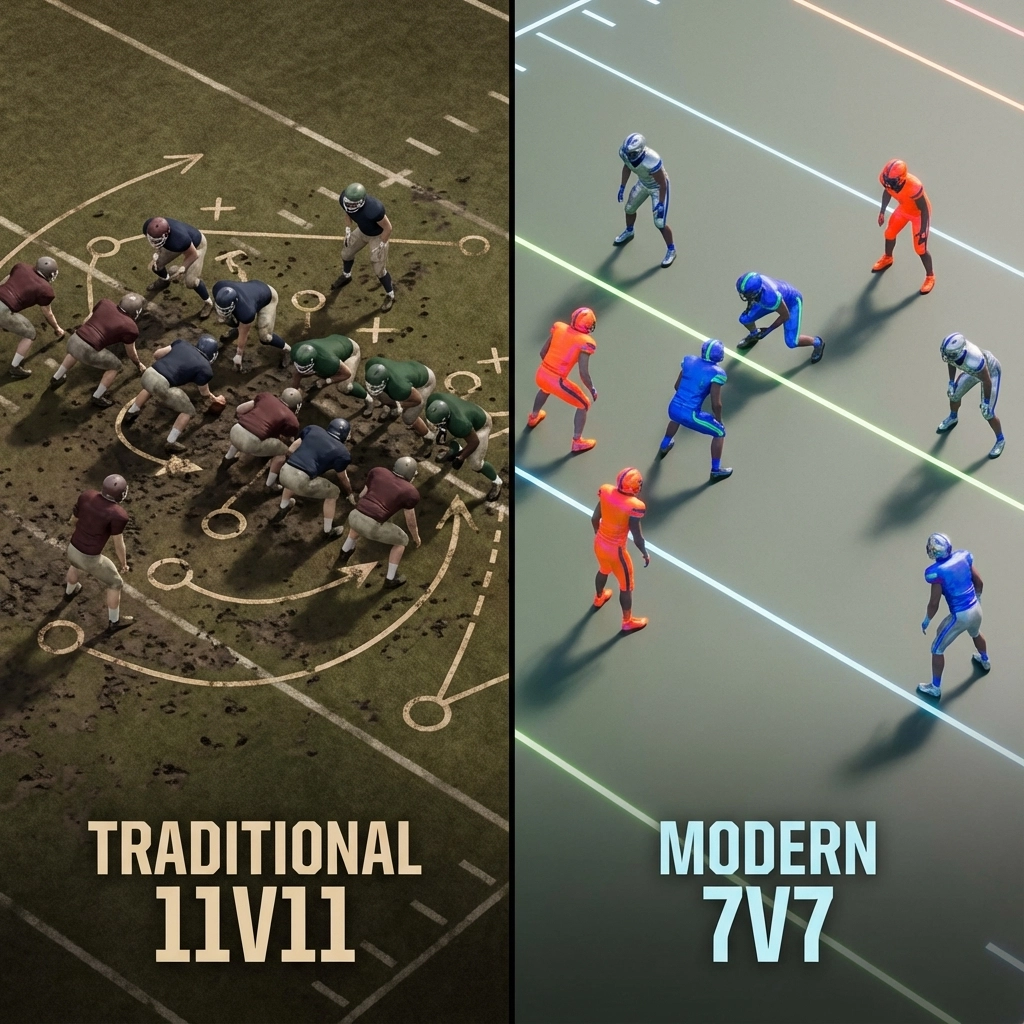
The stripped-down nature of 7v7 actually makes evaluation easier, not harder. Without the complexity of run blocking, pass protection, and special teams, college coaches can focus entirely on the skills that translate most directly to their programs: route running, ball skills, coverage ability, and competitive drive.
"7v7 functions like a combine," explains one SEC recruiting coordinator. "We can see explosive athleticism, cutting ability, and contested catch skills without the variables that sometimes mask talent in traditional football."
The concentrated format creates pressure situations that reveal character. Overtime scenarios, goal-line stands, and comeback drives all happen within the span of hours, giving coaches immediate insights into which players have the mental toughness to handle high-pressure college environments.
Building Your Digital Recruiting Brand
Perhaps the biggest advantage of 7v7 is how it creates sharable, highlight-worthy content. Tournament organizers like NFA, Pylon, and Championship 7v7 produce professional-quality footage that gets distributed to college programs nationwide and shared across social media platforms.
A single spectacular catch or defensive play in a 7v7 tournament can generate thousands of views on Twitter, Instagram, and TikTok. College coaches are plugged into these networks, and viral moments translate directly into scholarship interest.
The key difference from high school highlights is context. College coaches know that 7v7 tournaments feature elite competition, so a great play carries more weight than dominating weaker high school opponents. When a player makes a spectacular catch against a highly-ranked defensive back from another state, that clip immediately gets flagged by recruiting algorithms and shared in coaching staff group chats.
Smart players leverage this exposure strategically. They tag college coaches in their posts, use relevant hashtags, and build recruiting profiles that showcase their 7v7 performances alongside traditional game film.
Showcasing College-Ready Skills
7v7 football perfectly highlights the skills that matter most in modern college offenses. The spread formations, RPO concepts, and man-to-man coverage situations mirror exactly what players will face on Saturdays in the SEC, Big Ten, and Pac-12.
For wide receivers and defensive backs, 7v7 is the ultimate proving ground. Route running precision, release techniques, ball tracking, and coverage skills are all on full display. The constant one-on-one matchups create opportunities to build highlight reels that directly translate to college success.
Quarterbacks benefit from the high-volume passing environment. They're making quick decisions under pressure, working through progressions, and throwing into tight windows: all essential skills for college success.
Linebackers and safeties get extended work in coverage that they might not see in traditional football. The hybrid nature of 7v7 positions perfectly matches how college defenses use versatile defenders in multiple roles.
Success Stories That Changed Everything
The proof is in the results. Countless players have leveraged 7v7 success into major college opportunities that might not have materialized otherwise.
Take the story of Marcus Johnson, a relatively unknown safety from suburban Atlanta. After dominating at the Atlanta 7v7 Championships, his highlights went viral and caught the attention of LSU's defensive coordinator. Six months later, he had offers from Alabama, Florida, and Georgia: all programs that had never heard of him before his 7v7 breakout.
Or consider receiver Damon Williams from Texas. Playing for a run-heavy high school offense, college coaches rarely saw him in space. But his performances at the Pylon 7v7 Championships showcased elite route running and ball skills that translated into offers from USC, Oklahoma, and Texas Tech.
These aren't isolated examples. Every major 7v7 tournament produces multiple recruiting success stories where players parlayed strong performances into scholarship opportunities that changed their lives.
The Perfect Complement to Traditional Football
The beauty of 7v7 is that it doesn't replace traditional football evaluation: it enhances it. College coaches still want to see players in pads, making tackles, and handling the physical aspects of the game. But 7v7 serves as the entry point that gets players on recruiting radars in the first place.
Think of it as a two-step process: 7v7 gets you noticed, traditional game film gets you offered. The players who excel in both formats are the ones landing at top-tier programs.
The timing works perfectly too. 7v7 season peaks during spring and summer when college coaches have more flexibility to travel and evaluate prospects. By the time fall high school season starts, they already know which players to prioritize for in-person evaluations.
For younger players, 7v7 provides early exposure that can jump-start recruitment timelines. A standout performance as a sophomore or junior creates relationships with college coaches that can develop over multiple years.
Training for Tomorrow's Game
Beyond recruiting, 7v7 develops skills that are increasingly important in modern football. College and professional offenses are more spread-oriented, pass-heavy, and tempo-based than ever before. The athletes who succeed in these systems are the ones who've mastered the skills that 7v7 emphasizes.
Players who compete in high-level 7v7 arrive on college campuses better prepared for the speed and complexity they'll face. They're comfortable with route concepts, coverage recognition, and the mental aspects of the passing game that many traditional high school players struggle to adapt to.
The Bottom Line: Mandatory for Serious Recruits
In today's recruiting landscape, 7v7 isn't optional for players with serious college aspirations. The exposure, skill development, and networking opportunities are simply too valuable to ignore.
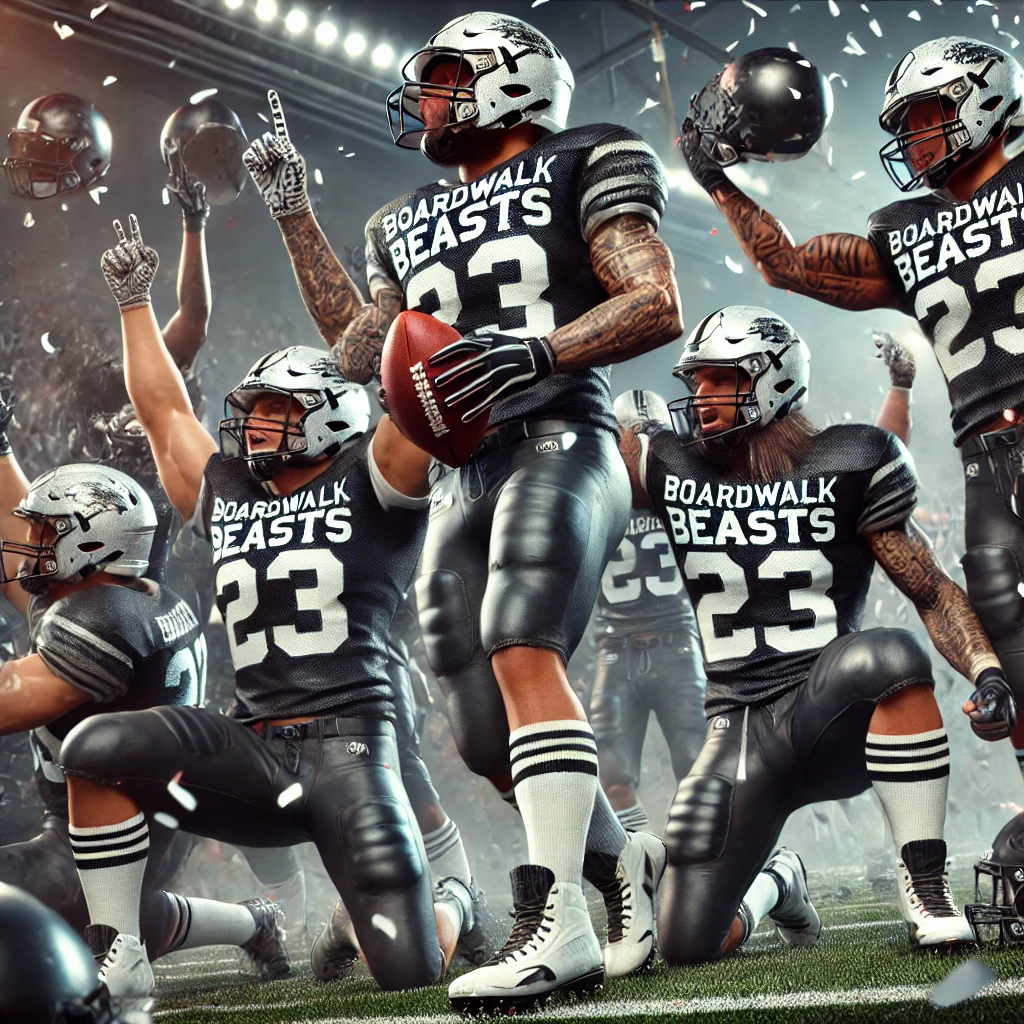
At Boardwalk Beasts, we've seen this transformation firsthand. Our players who commit to year-round 7v7 training consistently earn more scholarship offers and opportunities at higher-level programs than those who only focus on traditional football.
The numbers don't lie: more college coaches are attending 7v7 events, more recruitment happens through 7v7 connections, and more scholarship offers are influenced by 7v7 performances than ever before.
For parents and players still debating whether 7v7 is worth the investment, the question has already been answered by the market. Elite players are competing, college coaches are watching, and scholarships are being earned.
The only question left is whether you're ready to join them on the field where the future of football recruitment is being decided, seven players at a time.
About Author
