
The Ultimate Guide to 7v7 Football: Everything Parents Need to Know Before Their Kid Joins a Club
Your kid's been asking about joining a 7v7 football club, and you're probably wondering what exactly you're signing up for. Is it just "football lite," or is there real value here? As coaches who've seen hundreds of young athletes develop through our programs, we're here to break down everything you need to know about 7v7 football before your child steps onto that field.
What Exactly Is 7v7 Football?
Think of 7v7 as football's ultimate skills laboratory. It's a non-contact, passing-focused format that strips away the complexity of traditional tackle football while keeping all the mental chess match intact. Every single play is a passing play – no handoffs, no runs up the middle, just pure quarterback-to-receiver action.
The field is smaller (40 yards by 40 yards), the teams are smaller (seven players per side), and the games move faster. But don't mistake "smaller" for "easier." This format demands precision, quick decision-making, and football IQ that many tackle football players never develop.
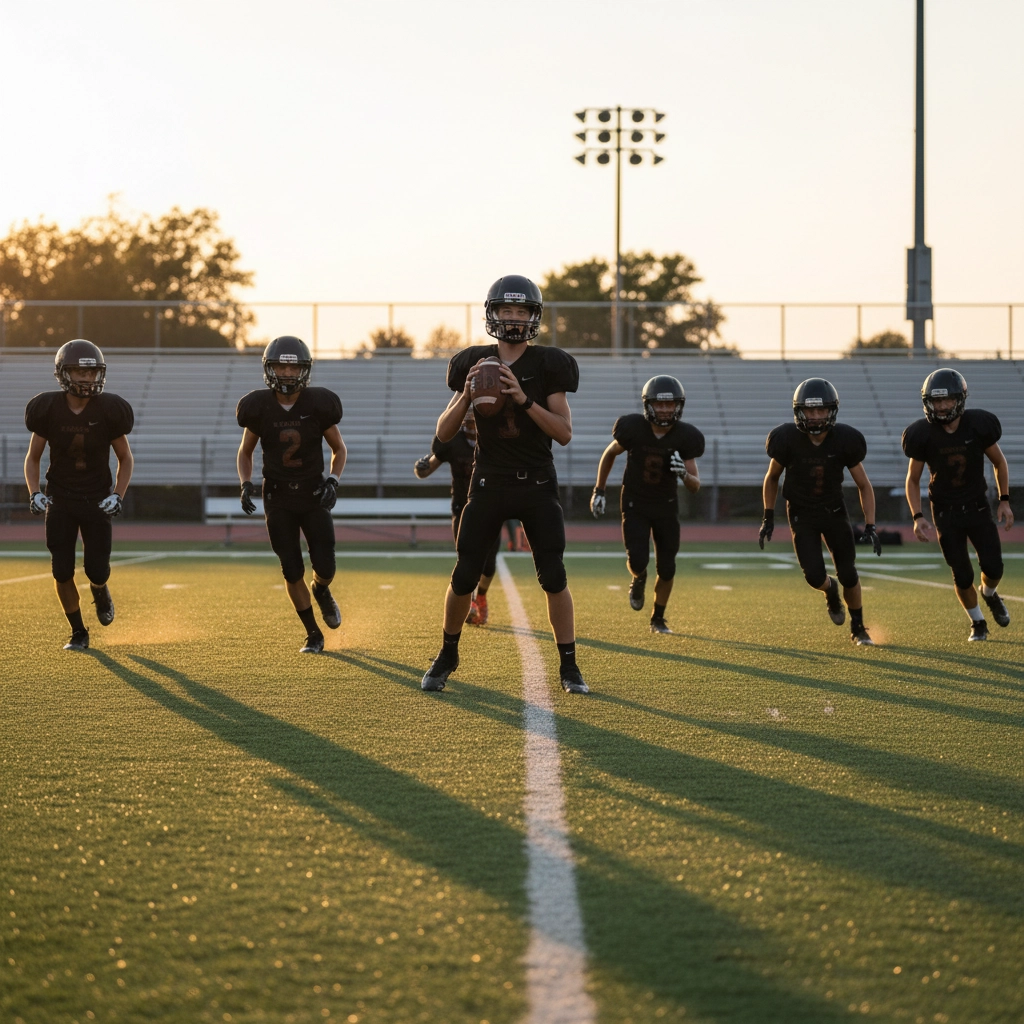
The Format That Makes Champions
Here's where 7v7 gets interesting for player development. With no offensive or defensive lines, quarterbacks have about 3-4 seconds to read the defense and deliver the ball. Receivers need to get open fast and catch in tight coverage. Defensive backs can't rely on their teammates to slow down the offense – they need to cover, react, and make plays.
Games typically run two 20-minute halves with a running clock, meaning there's constant action. No long huddles, no time-wasting – just football at its purest form. Teams start each possession at the 40-yard line (no kickoffs), and depending on the league, get three or four downs to score.
The scoring system rewards both offensive execution and defensive playmaking. Touchdowns are worth 7 points, successful PATs from the 10-yard line add one more point, and here's the kicker – interceptions are worth 3 points, with pick-sixes earning the full 7. This scoring system keeps defenses aggressive and engaged throughout the game.
Skills Development That Actually Transfers
This is where 7v7 separates itself from other youth football formats. Your child isn't just learning to play football – they're developing the high-level skills that make great players at every level.
Route Running Precision: With no blocking schemes to hide behind, receivers must run crisp, precise routes. Every step matters when defensive backs are in tight coverage and the quarterback needs to anticipate where you'll be.
Coverage Recognition: Defensive backs learn to read offensive formations, identify route combinations, and make split-second decisions about when to jump routes or provide help coverage.
Quick Decision Making: Quarterbacks develop the ability to process multiple reads quickly. They're seeing the same concepts they'll encounter in high school and college football, just in a compressed format that forces faster recognition.
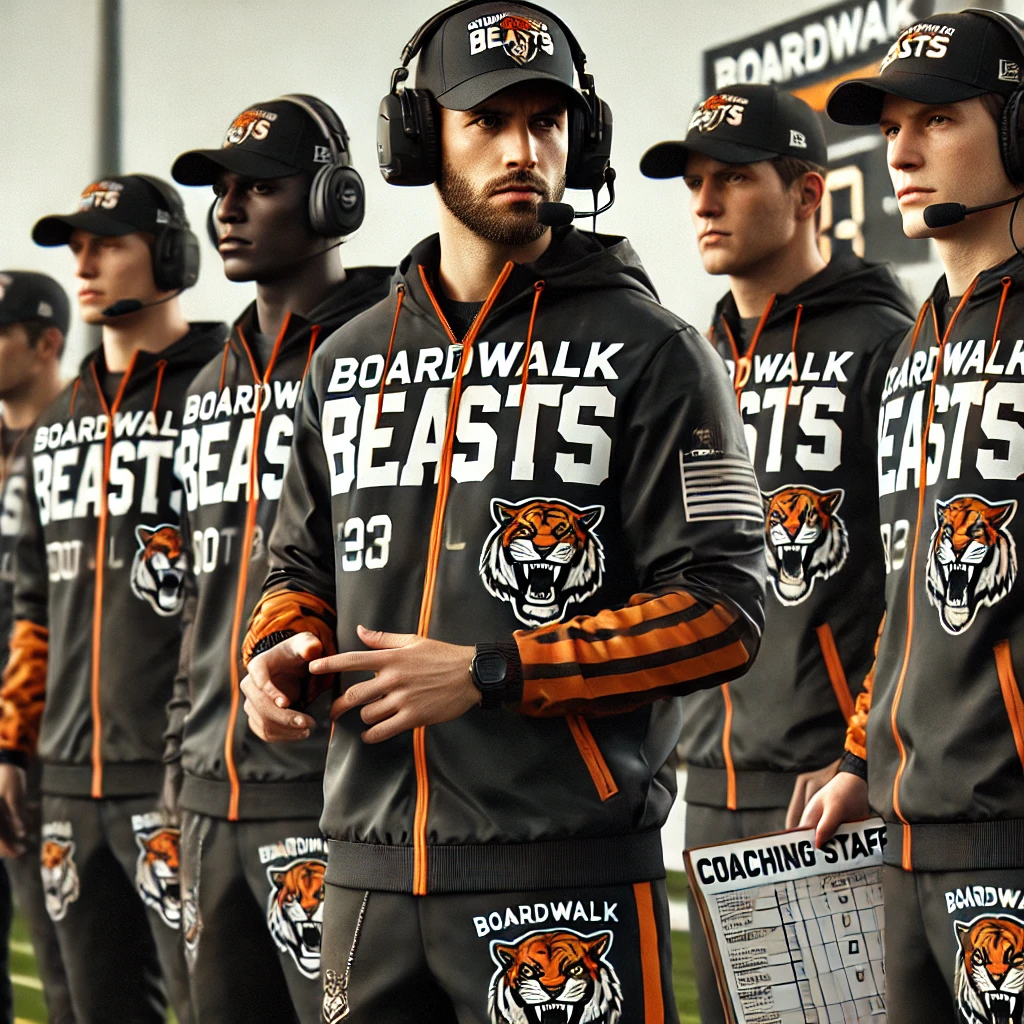
Team Structure and Positions
Understanding the positions helps parents see how their child might fit into the 7v7 system. On offense, you'll typically see a quarterback, 3-4 wide receivers, and possibly a running back who serves as a check-down option (but can never run the ball forward).
Defense features cornerbacks, safeties, and linebackers – all focused on coverage rather than run-stopping. The beauty of this system is that players get to focus on their specific skills without the distraction of other responsibilities.
One unique aspect: the center snaps the ball then immediately kneels – they're not an eligible receiver and their job is simply to get the play started legally.
What to Expect: Practices and Games
7v7 practices are intense, focused affairs. Don't expect the start-and-stop nature of tackle football practice. These sessions emphasize repetition, technique refinement, and situation football.
A typical practice might include:
- Route-running drills against air and live coverage
- Quarterback timing and accuracy work
- Coverage drills for defensive backs
- Situational scrimmaging (red zone, two-minute drill)
- Film study and formation recognition
Games move quickly with minimal downtime. The running clock and shorter field keep everyone engaged, and parents often comment on how much more action they see compared to tackle football games.
Equipment: Less Gear, Lower Costs
One of the biggest advantages for parents is the reduced equipment requirements. Your child will need:
- Cleats
- Mouthguard
- Athletic shorts and shirt
- Some leagues use flags, others use two-hand touch
That's it. No shoulder pads, no expensive helmets, no constantly-growing-out-of gear. The financial barrier to entry is significantly lower than tackle football while still providing serious competitive football experience.
The Safety Factor Every Parent Considers
Let's address the elephant in the room – safety. 7v7 is non-contact football, meaning no tackling, no blocking, and no collisions. Plays end with flag pulls or two-hand touches, depending on league rules.
This doesn't mean it's risk-free. Players are still running at full speed, cutting hard, and competing intensely. But the injury rates are dramatically lower than tackle football, making it an attractive option for parents concerned about concussions and other contact-related injuries.
The competitive intensity remains high because players and teams are still keeping score, still trying to win, and still developing the mental aspects that make football such a demanding sport.
How 7v7 Complements Tackle Football
Many parents wonder if 7v7 will prepare their child for "real" football. The answer is absolutely yes, and in some ways better than traditional youth tackle programs.
High school coaches consistently tell us that players with 7v7 experience arrive with better route-running skills, superior coverage abilities, and advanced understanding of passing concepts. They've already learned to think the game at a higher level.
The skills transfer is remarkable:
- Route precision learned in 7v7 makes receivers more effective in tackle football
- Coverage skills developed against elite receivers translate directly to high school defensive back play
- Quarterbacks who master 7v7 timing arrive at high school with advanced pocket presence and recognition skills
Competition Levels and Opportunities
7v7 offers multiple levels of competition, from recreational leagues to elite national tournaments. At Boardwalk Beasts, we've seen players use 7v7 as a launching pad for high school varsity success and college recruiting opportunities.
The national 7v7 circuit includes major tournaments where college scouts actively recruit. While not every player will reach that level, the pathway exists for those who develop the skills and dedication.
Making the Decision: Is 7v7 Right for Your Child?
Consider 7v7 if your child:
- Loves the strategic aspects of football
- Wants to develop specific skills without full-contact risk
- Enjoys fast-paced, high-action sports
- Is interested in quarterback, receiver, or defensive back positions
- Wants to stay competitive in football during off-seasons
The format isn't for everyone, but for players who connect with it, the development can be extraordinary.
Getting Started
Most 7v7 programs offer tryouts or evaluation sessions. At Boardwalk Beasts, our tryouts are scheduled for December 14th, and we're looking for players across multiple age groups who want to compete at the highest level.
The investment in 7v7 isn't just about this season – it's about building the foundation for your child's entire football future. Whether they continue with tackle football or stick with 7v7 through high school, the skills they develop will serve them for years to come.
Ready to see what your child can accomplish when football gets stripped down to pure skill and competition? The field is waiting.
About Author
