The Rise of the NFL: From a Small Midwestern League to a Cultural Empire
Picture this: It's 1920, and a group of football team owners meet in a car dealership in Canton, Ohio. They're frustrated, broke, and desperate to save their sport from complete collapse. Fast forward over 100 years, and that small gathering has become the most powerful sports league in America. The NFL's journey from a struggling midwestern experiment to a cultural juggernaut is one of the most incredible success stories in sports history.
The Humble Beginning: A Meeting That Changed Everything
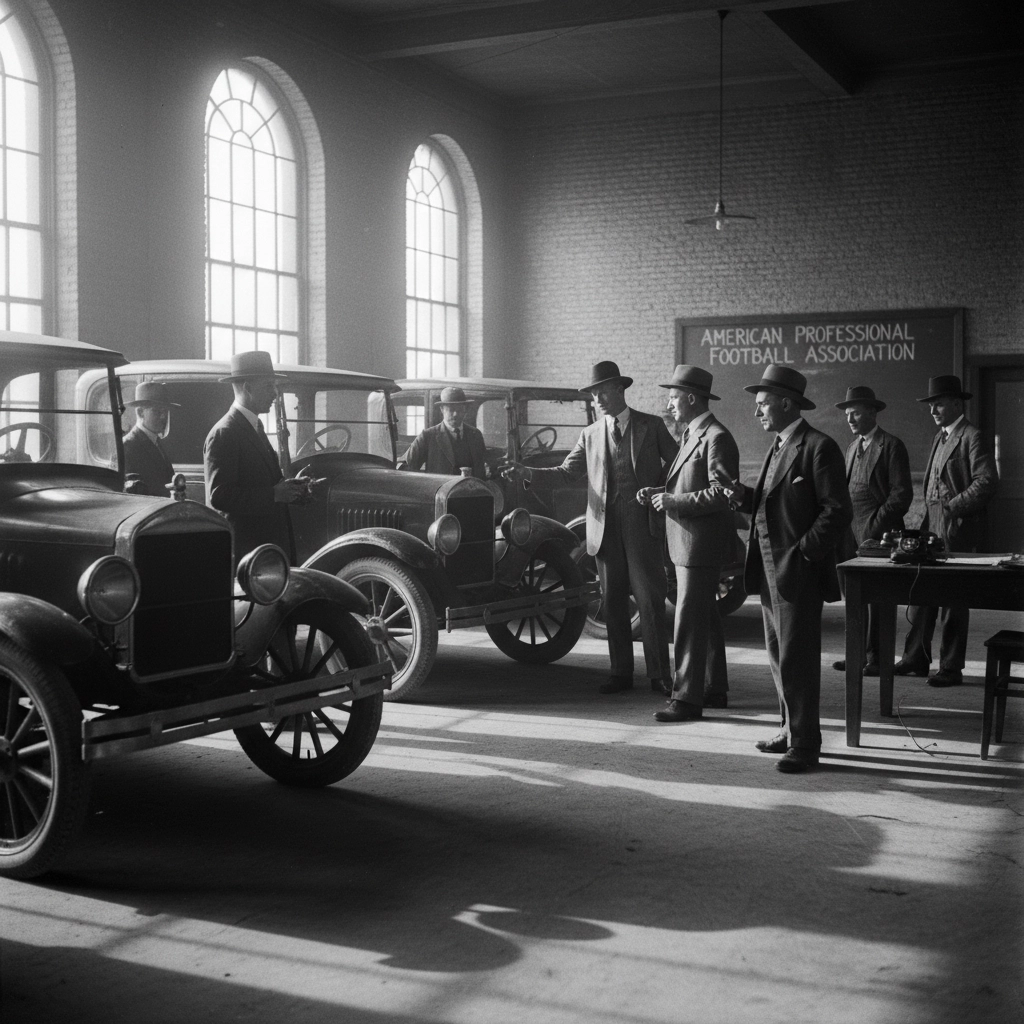
On August 20, 1920, representatives from various football teams gathered at Ralph Hay's Hupmobile dealership in Canton, Ohio. The meeting wasn't glamorous: some guys sat on car bumpers and running boards because there weren't enough chairs. But this informal gathering would lay the foundation for what we know today as the National Football League.
The sport was in crisis. Teams were going bankrupt trying to outbid each other for players. There were no real rules, no structure, and frankly, no future. These team owners knew they needed to work together or watch football disappear entirely.
They formed the American Professional Football Association (APFA) with 11 teams, mostly from Ohio, Indiana, Illinois, and New York. To give their new league credibility, they convinced Jim Thorpe: arguably the greatest athlete of his time: to serve as president. Thorpe was a household name, an Olympic champion, and exactly what this ragtag league needed to get attention.
But success didn't come overnight. In that first season, only four of the 11 original teams actually finished their schedules. The Akron Pros went undefeated and claimed the first championship, though "championship" is a generous term for what was essentially just having the best record in a chaotic season.
Finding Its Identity: The Birth of the NFL
Two years later, in 1922, the APFA officially changed its name to the National Football League. The name change represented more than just rebranding: it showed ambition. These weren't just regional teams anymore; they wanted to be truly national.
The 1920s weren't kind to professional football. Teams folded constantly, schedules were a mess, and college football was still the king of the sport. Baseball dominated American sports culture, and pro football was seen as a second-class entertainment option.
Everything started to change in 1933 when the NFL held its first official championship game. Instead of just declaring the team with the best record the champion, they created an actual playoff between the winners of the Eastern and Western divisions. The Chicago Bears defeated the New York Giants 23-21, and suddenly, professional football had a real championship moment that fans could rally around.
The Game That Changed Everything: 1958
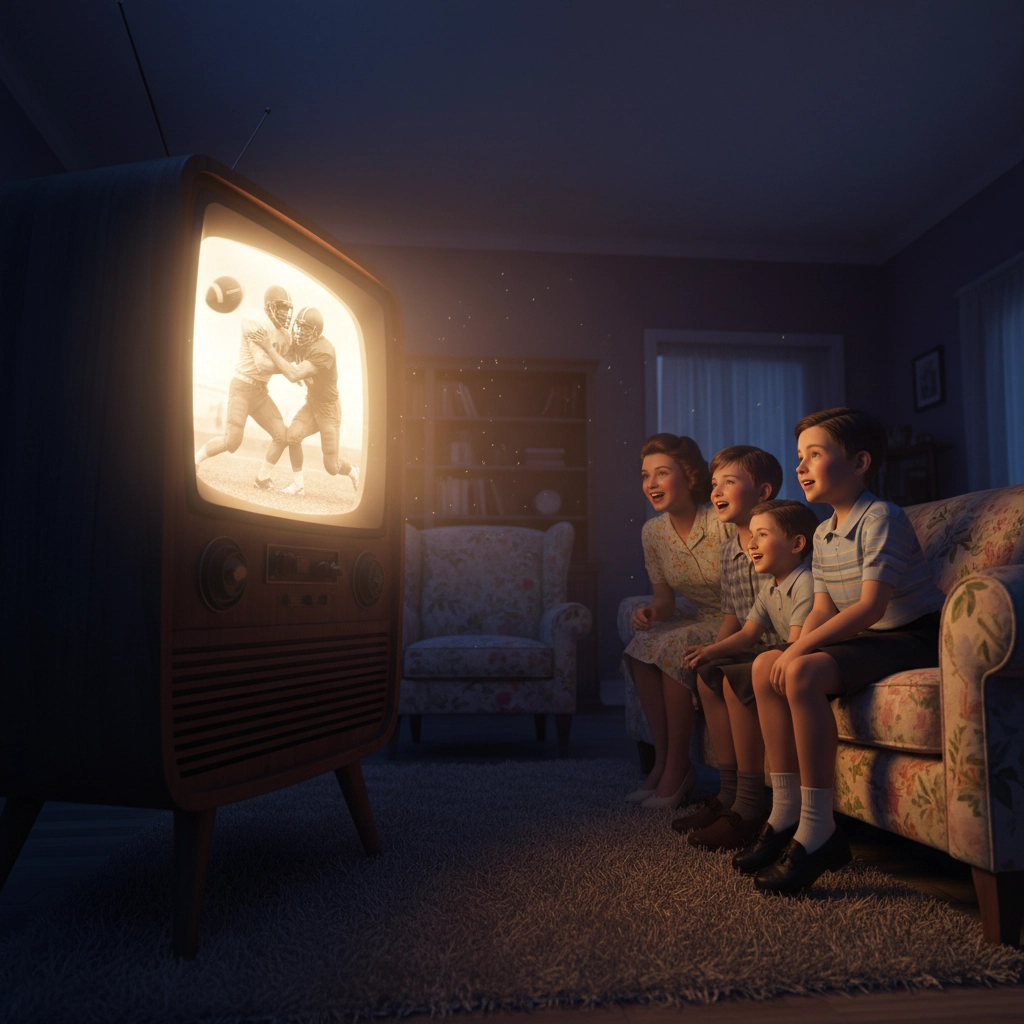
If you ask football historians about the single most important game in NFL history, many will point to December 28, 1958. The NFL Championship Game between the Baltimore Colts and New York Giants wasn't just a great game: it was the first championship game to go into sudden-death overtime, and it happened to be broadcast on national television.
Johnny Unitas led the Colts on a legendary drive in overtime, capping it with a one-yard touchdown run by Alan Ameche. But here's the kicker: an estimated 45 million people watched this game on TV. For the first time, America saw the drama, excitement, and pure athleticism that professional football could deliver.
This game is often called "The Greatest Game Ever Played," and while that might be debatable, there's no question it changed everything. Television executives realized they had struck gold. Football was perfect for TV: the action fit the screen, the strategy was engaging, and the violence was contained within rules that made it acceptable entertainment.
The Rivalry That Made the League Stronger
By 1960, the NFL thought it had professional football locked up. Then businessman Lamar Hunt had a different idea. Frustrated by the NFL's refusal to grant him a franchise, Hunt started his own league: the American Football League (AFL).
The AFL wasn't just another failed competitor. They secured a television contract with NBC, drafted top college players, and most importantly, they paid better. Suddenly, the NFL had real competition for talent and fans.
This rivalry could have destroyed professional football, but instead, it made both leagues stronger. The competition drove innovation, better player salaries, and more exciting games. Cities that couldn't get NFL teams now had AFL alternatives, expanding professional football's reach across the country.
The war between the leagues was expensive and ultimately unsustainable. On June 8, 1966, the two leagues announced they would merge, with full integration taking effect in 1970. This merger created the modern NFL structure we know today: two conferences (AFC and NFC) meeting in a championship game.
The Birth of the Super Bowl
The merger agreement included something that seemed like a small detail at the time: before full integration, the champions of each league would meet in a championship game. The first AFL-NFL Championship Game was played on January 15, 1967, in Los Angeles. The Green Bay Packers defeated the Kansas City Chiefs 35-10.
Nobody called it the "Super Bowl" initially: that nickname came from Kansas City Chiefs owner Lamar Hunt, who got the idea from watching his kids play with a "Super Ball." The name stuck, and by the third game, it was officially adopted.
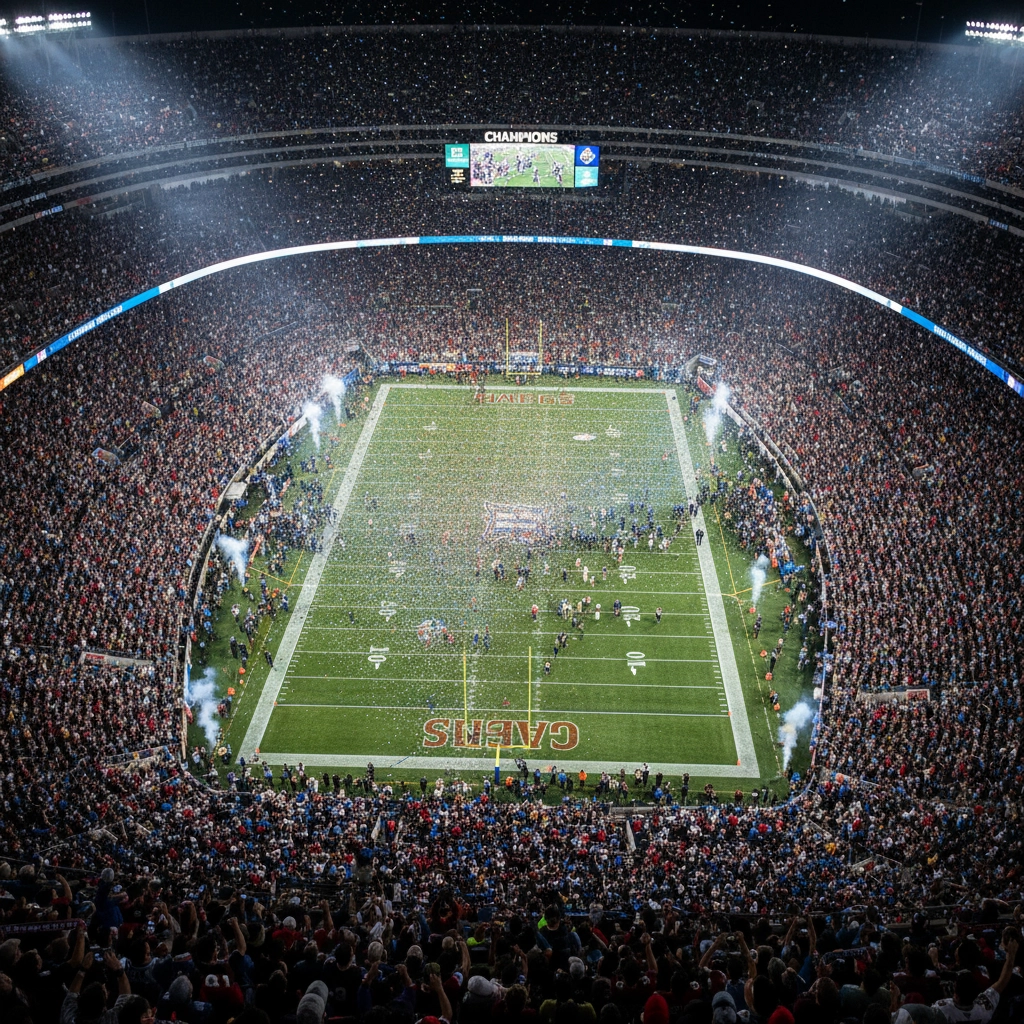
What started as a simple championship game between two leagues became something unprecedented in American sports. The Super Bowl wasn't just a game; it was an event. Companies started paying massive amounts for advertising during the broadcast, and the halftime show became a cultural spectacle.
Television: The Game Changer
While the 1958 championship game showed TV's potential, it was really the 1960s and 70s when television transformed the NFL into America's sport. The league made brilliant strategic decisions about how to use this new medium.
First, they limited local television blackouts to protect stadium attendance while still reaching national audiences. Second, they negotiated collective television deals rather than letting each team make its own arrangements. This revenue sharing helped smaller market teams compete with big city franchises.
Monday Night Football debuted in 1970, bringing professional football into prime time. Suddenly, football wasn't just a Sunday afternoon activity: it was appointment television that families planned their weeks around. The personalities in the broadcast booth became as famous as many players.
The NFL also understood that television made the game more accessible to new fans. Complex strategies could be explained with graphics and replays. Casual viewers could follow the action without deep football knowledge, expanding the sport's appeal beyond traditional fans.
Building a Cultural Empire
By the 1980s, the NFL had achieved something unprecedented: it became America's most popular sport while playing the fewest games. Baseball had 162 games per season, basketball and hockey had 82, but football had just 16 regular season games. This scarcity made each game more valuable and each season more intense.
The league continued to expand strategically, adding teams in growing markets while maintaining competitive balance through the draft system and salary cap. They created multiple revenue streams beyond ticket sales: merchandising, licensing, sponsorships, and international games.
Most importantly, the NFL positioned itself as more than entertainment. It became a shared cultural experience. Super Bowl Sunday is practically a national holiday. Fantasy football has made millions of casual fans into obsessive followers of player statistics. The NFL Draft has become a television spectacle in its own right.
What This Means for Young Athletes
Understanding the NFL's history isn't just about appreciating the past: it's about recognizing the opportunities that exist today. The league's growth created a massive infrastructure around football: youth leagues, high school programs, college scholarships, and professional opportunities that extend far beyond playing.
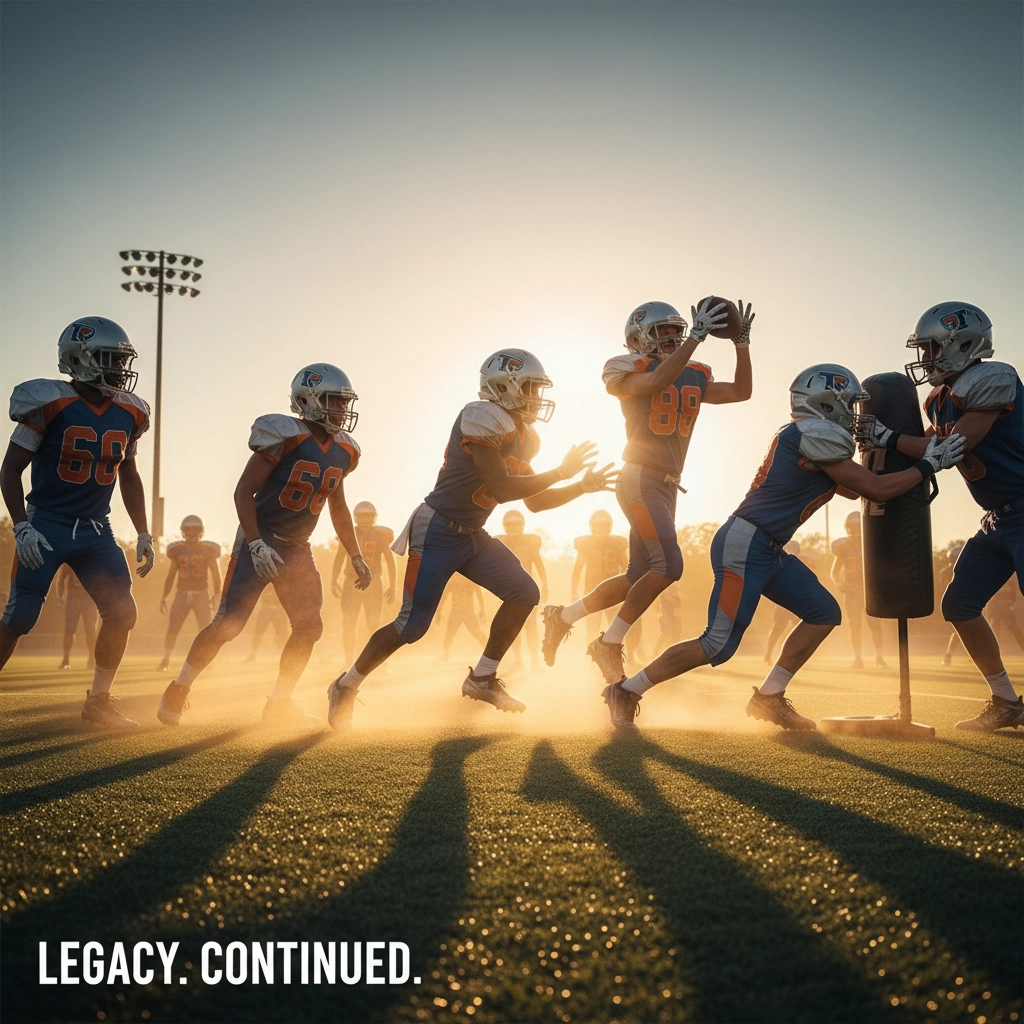
The same competitive spirit and strategic thinking that built the NFL from a failing collection of teams into a cultural empire are the qualities that make great football players. The sport rewards preparation, teamwork, and the ability to perform under pressure: skills that serve athletes well whether they make it to the NFL or pursue other goals.
At Boardwalk Beasts Football Club, we see ourselves as part of this incredible tradition. Every young athlete who learns to read a defense, execute a play, or support a teammate is continuing the legacy that started in that car dealership in Canton, Ohio.
The NFL's rise proves that with vision, hard work, and the right strategy, anything is possible. That small midwestern league became a cultural empire, and every young football player has the chance to be part of continuing that amazing story.
About Author