
Social Media Vs Showcase Camps: Which Gets Middle School Athletes More College Attention?
Ready to maximize your middle schooler's football exposure? Discover which path actually delivers results and learn how Boardwalk Beasts develops tomorrow's elite athletes at myfootballcamps.com.
The recruiting game has changed dramatically. Your 7th grader's highlight reel can reach college coaches in seconds, while showcase camps promise face-to-face exposure with top programs. But here's the million-dollar question every football family is asking: which approach actually gets results for middle school athletes?
The answer might surprise you.
The Middle School Reality Check
Let's cut through the noise. College coaches aren't losing sleep over 12-year-old quarterbacks, no matter how many followers they have or camps they attend. The NCAA prohibits contact with athletes until their junior year of high school for most sports, and even unofficial recruiting rarely begins before sophomore year.
But that doesn't mean these years don't matter. They're foundation years – the time when elite athletes separate themselves through skill development, competitive experience, and building the right habits that college coaches will eventually notice.
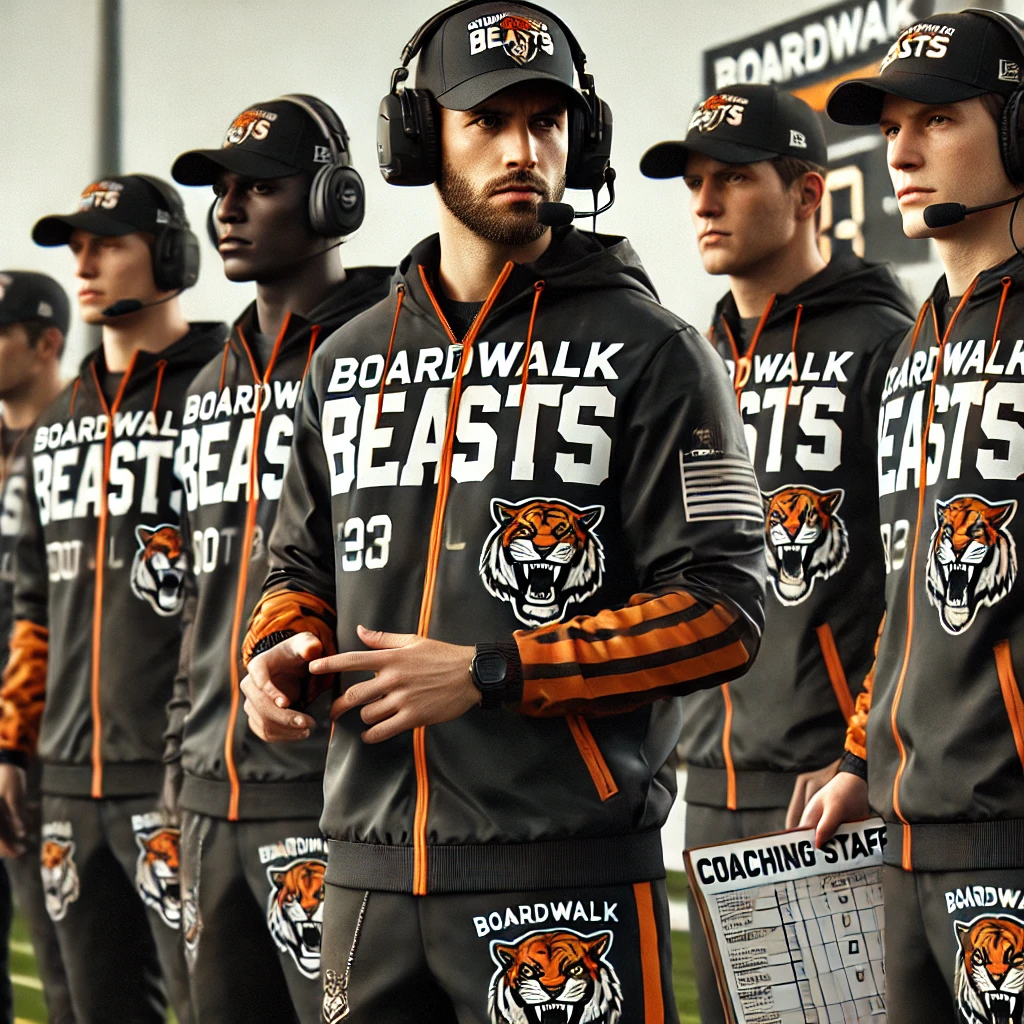
The Social Media Game: Digital Exposure at Lightning Speed
Social media has revolutionized how athletes gain exposure. With platforms like Instagram, Twitter, and TikTok, a single highlight can reach hundreds of coaches instantly. But the middle school social media approach requires strategic thinking.
The Social Media Advantages:
- Unlimited Reach: Geographic boundaries disappear when your content can reach coaches nationwide
- Cost-Effective: Creating content costs virtually nothing compared to traveling to multiple camps
- Consistent Presence: Regular posts keep athletes visible year-round, not just during camp season
- Skill Documentation: Video evidence of improvement over time tells a compelling development story
The Social Media Pitfalls:
- Oversaturation: Thousands of middle schoolers flood coaches' feeds daily – standing out requires exceptional content
- Premature Pressure: Young athletes often focus more on creating content than improving their game
- Character Risks: One poor decision online can haunt an athlete for years
- False Metrics: Likes and followers don't translate to scholarship offers
The biggest mistake middle school families make? Treating social media like a magic recruiting button instead of a tool for documenting genuine athletic development.

Showcase Camps: The Live-Action Evaluation
Showcase camps offer something social media cannot: real-time evaluation under competitive pressure. But the middle school showcase landscape is complex, with camps ranging from legitimate development opportunities to pay-to-play exposure mills.
The Showcase Camp Advantages:
- Direct Evaluation: Coaches see athletes compete against quality competition in person
- Skill Development: Quality camps provide professional instruction that accelerates improvement
- Network Building: Athletes connect with coaches and teammates who may become valuable contacts
- Competitive Environment: High-pressure situations reveal mental toughness and character
The Showcase Camp Disadvantages:
- Financial Investment: Elite camps can cost hundreds or thousands of dollars per event
- Geographic Limitations: Travel requirements limit how many camps athletes can attend
- Age Appropriateness: Many "showcase" camps for middle schoolers are more about revenue than recruiting
- One-Day Snapshots: A bad day at camp can overshadow months of improvement
The key question: Is the camp actually attended by relevant coaches, or is it just marketing to parents' dreams?
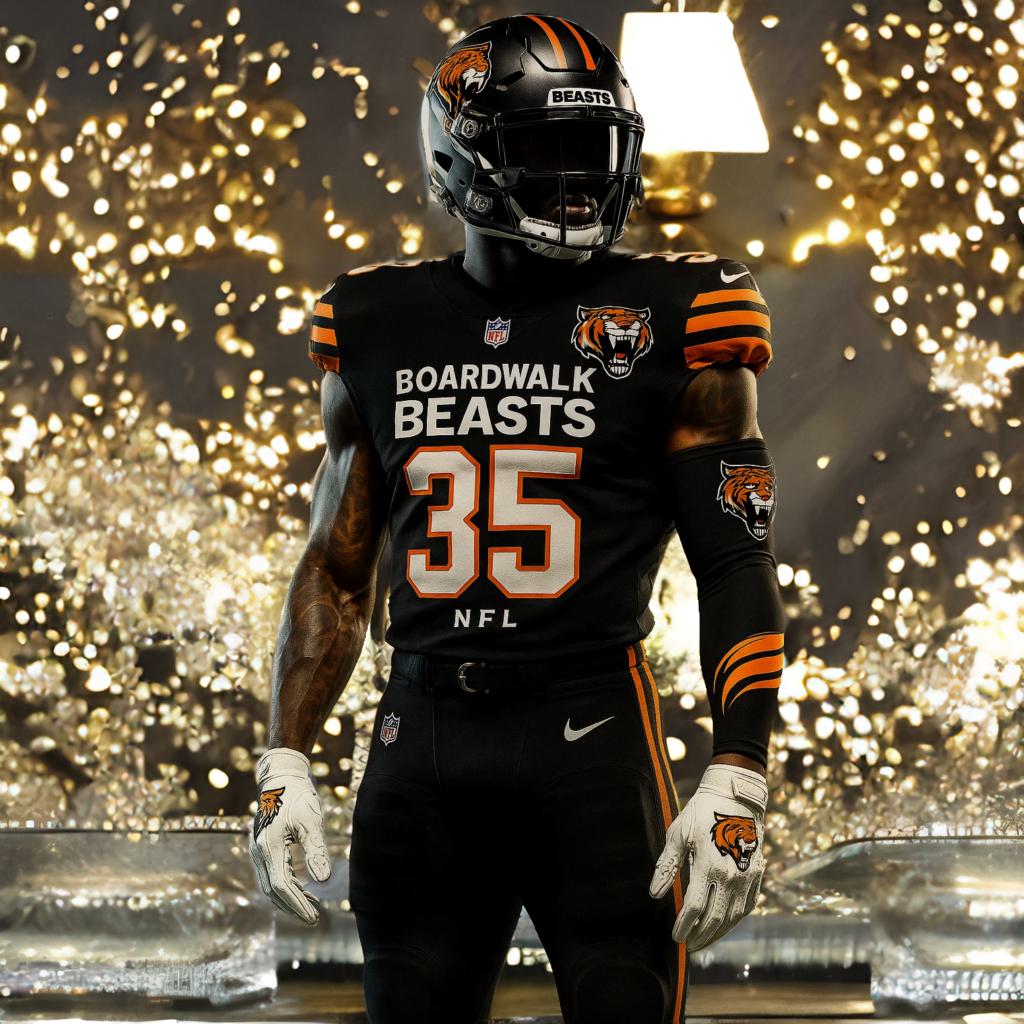
What Actually Gets College Attention
Here's the truth most recruiting services won't tell you: College coaches recruit high school juniors and seniors who can help their programs win immediately. They're not building relationships with 8th graders.
However, the foundation for future recruiting success gets built during middle school through:
Fundamental Skill Development: Technical proficiency in position-specific skills matters more than highlight-reel plays. A quarterback's footwork and release mechanics are more important than throwing velocity at age 13.
Athletic Base Building: Speed, agility, and strength development during growth spurts creates the physical foundation for high school dominance.
Game Understanding: Football IQ develops through quality coaching and competitive experience, not social media metrics.
Character Development: Leadership, work ethic, and coachability become evident through consistent behavior over time.
Academic Foundation: College coaches recruit student-athletes, and strong academic habits established early create more opportunities later.
The Boardwalk Beasts Development Approach
At Boardwalk Beasts, we've seen both approaches work – and fail spectacularly. Our philosophy focuses on building complete athletes who will attract college attention naturally through their high school performance.
Our recruiting programs emphasize skill development over exposure because we understand the timeline. Middle school athletes who master fundamentals, compete regularly, and develop strong character traits become high school standouts who don't need to chase college coaches – coaches come to them.
We integrate both approaches strategically:
- Social Media Training: Teaching athletes how to build positive online presence that documents genuine improvement
- Showcase Preparation: Developing skills and confidence that translate to strong camp performances when timing is appropriate
- Competitive Experience: Our QB/WR Elite Series provides high-level competition that accelerates development
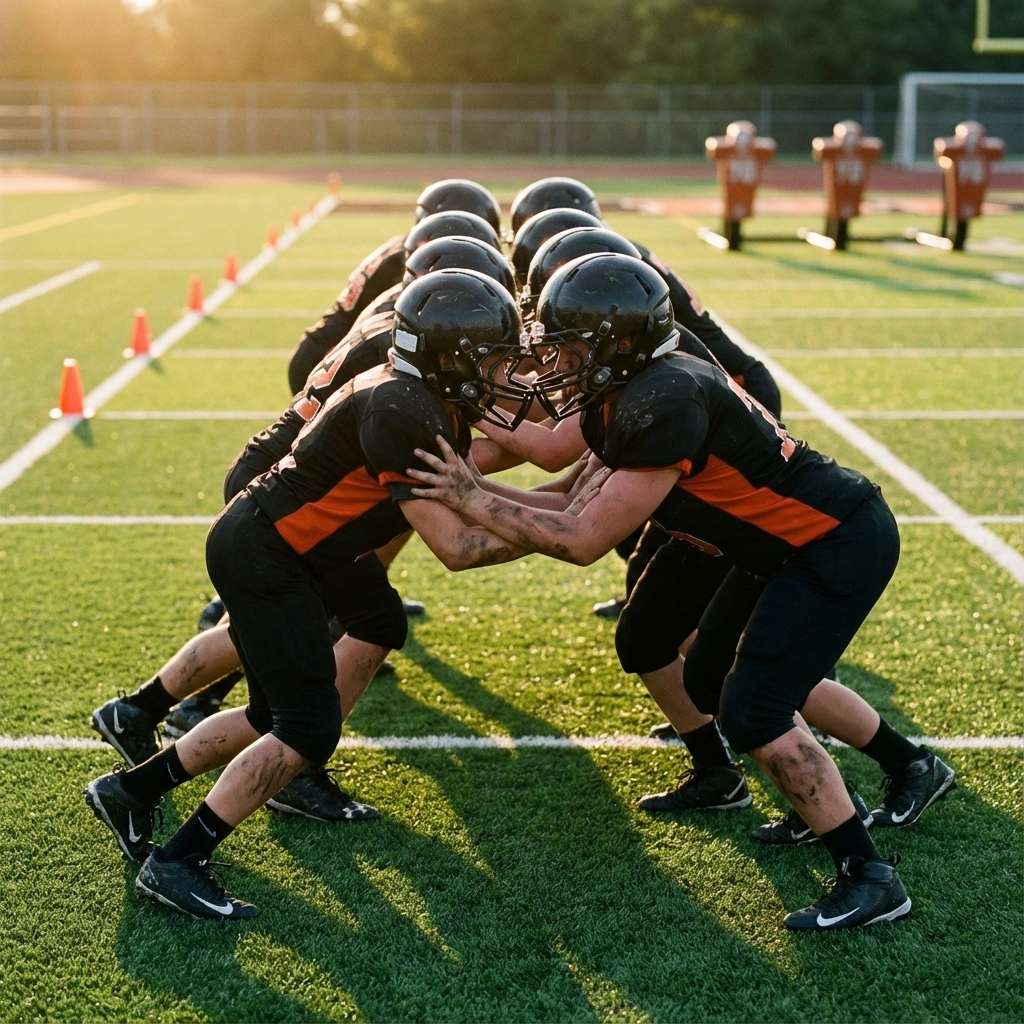
The Winning Strategy: Development-First Approach
The most successful approach combines elements of both while maintaining perspective on the ultimate goal: becoming a high school player that college coaches want.
For 6th-8th Grade Athletes:
- Prioritize Skill Development: Focus 80% of energy on improving fundamentals through quality coaching
- Document Progress: Use social media to show improvement, not just highlight plays
- Select Camps Strategically: Choose camps known for instruction quality over recruiting exposure
- Build Athletic Foundation: Emphasize speed, agility, and strength development appropriate for growing bodies
- Develop Football IQ: Study film, learn multiple positions, understand game situations
Smart Social Media Use:
- Post training footage showing technique improvement
- Share team achievements and leadership moments
- Maintain positive, professional presence
- Focus on work ethic and character content
Strategic Camp Selection:
- Choose camps with legitimate coaching credentials
- Prioritize instruction over exposure until high school
- Attend local/regional camps to build coaching relationships
- Seek camps that provide detailed feedback and development plans
Making the Right Choice for Your Athlete
The social media vs showcase camps debate misses the point entirely. Elite college prospects typically excel at both because they've built the skills, character, and athletic ability that translates to success in any environment.
Middle school is about building that foundation. Whether your athlete gains exposure through social media or showcase camps becomes irrelevant if they haven't developed the skills to back up the exposure.
Focus on development now, and the exposure will follow naturally during high school when it actually matters for recruiting.
Ready to build your athlete's foundation the right way? Join the Boardwalk Beasts family and discover how proper development creates natural recruiting opportunities. Explore our programs at myfootballcamps.com, connect with Coach Schuman at coachschuman.com, and learn more about our championship culture at boardwalkbeastsfb.com.
The question isn't whether social media or showcase camps get more attention – it's whether your athlete will be ready when that attention comes.
About Author
