PortalIntel.AI Transfer Intel: Miami Hurricanes Trending for Top Portal Talent in 2026
Want to learn how elite college programs build their rosters? Check out our youth development programs at myfootballcamps.com and see how we prepare players for the next level.
The college football transfer portal continues to reshape how programs build their rosters, and the University of Miami Hurricanes are making aggressive moves to reload for the 2026 season. According to PortalIntel.AI intelligence reports, Miami is trending as the frontrunner for multiple high-profile transfers across key positions, demonstrating how modern college football operates as a sophisticated talent acquisition system.
For young players and families in our Boardwalk Beasts Football Club community, understanding how elite programs identify and recruit talent provides valuable insight into the pathway from youth football to college success. Let's break down Miami's current transfer targets and what their recruitment strategies reveal about building championship-caliber teams.
The Hurricanes' Priority Targets
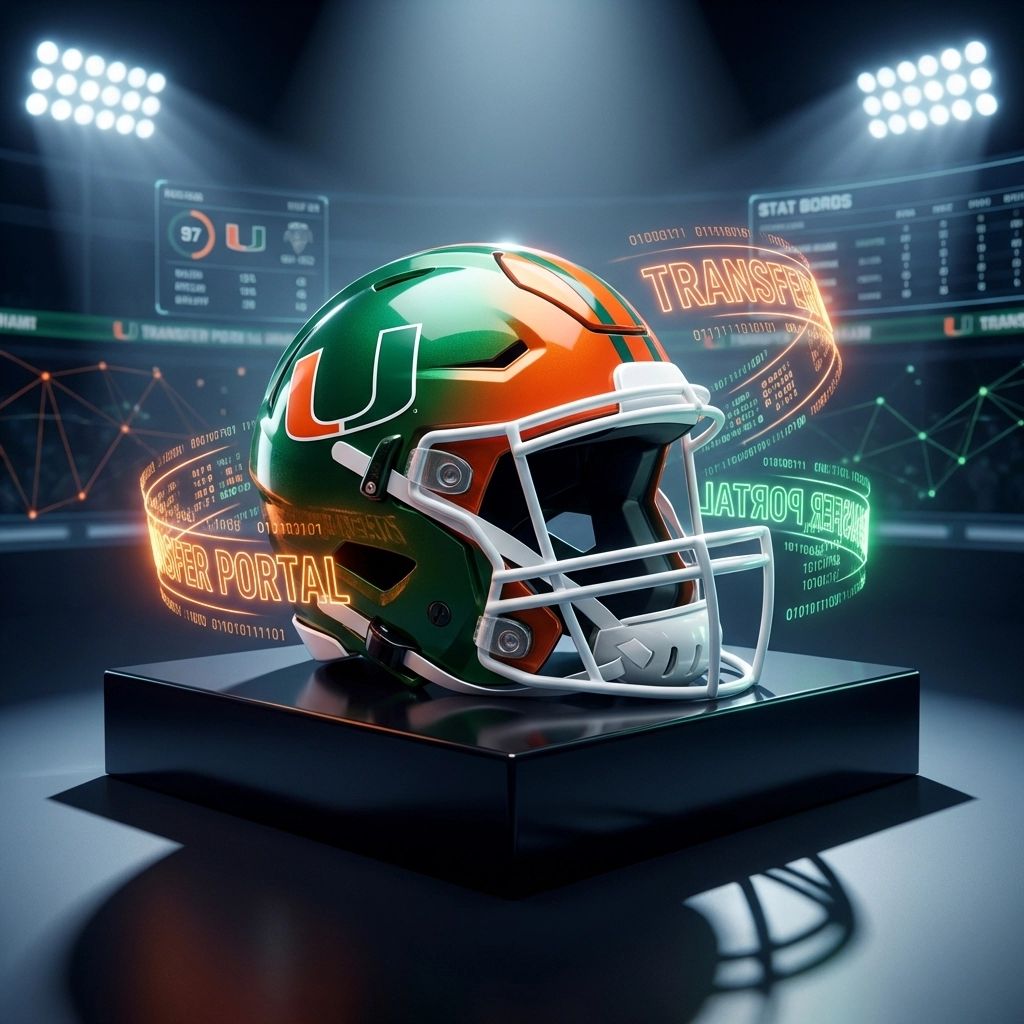
Omar Thornton – The Defensive Anchor
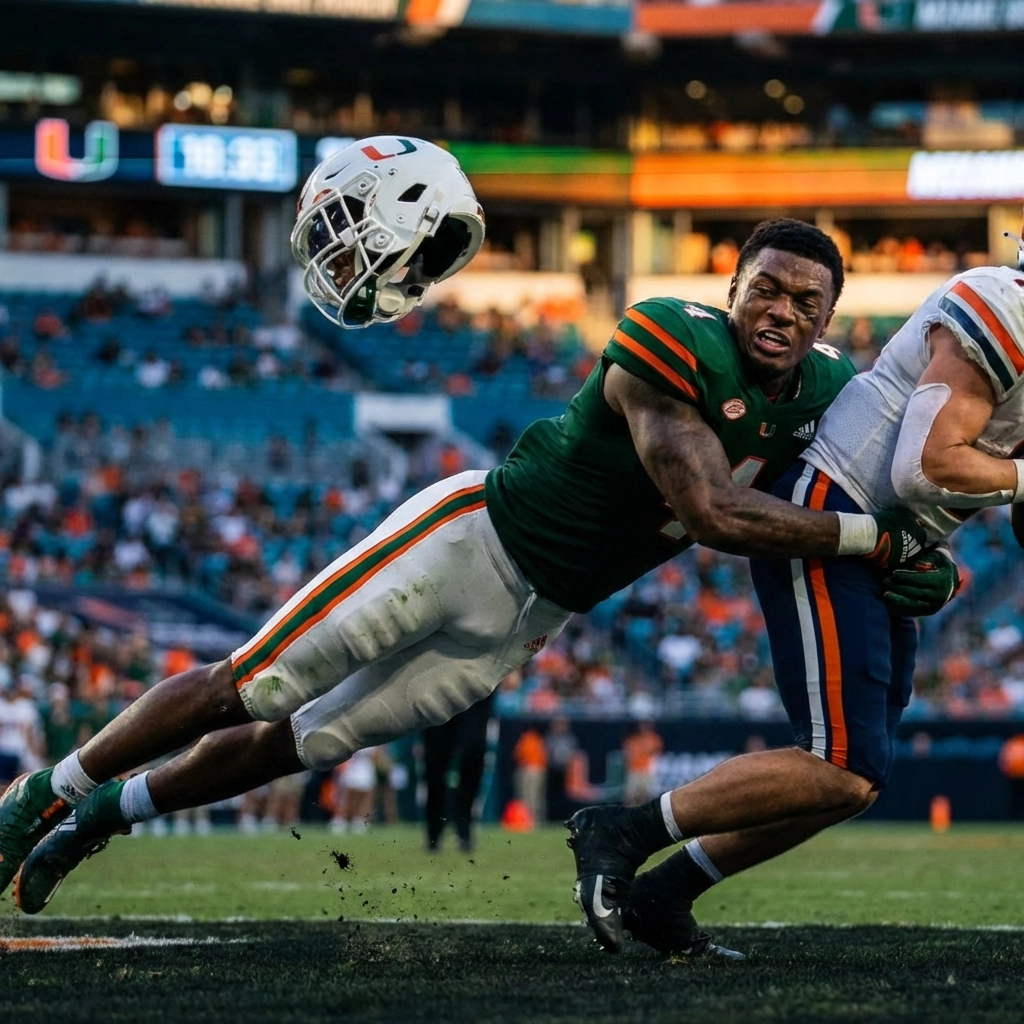
Boston College safety Omar Thornton represents Miami's top defensive back target, and his profile exemplifies the type of player that catches college scouts' attention. The South Florida native from American Heritage High School posted a breakout 2025 season with 82 tackles, 8 tackles for loss, 4 forced fumbles, and 1 interception.
What makes Thornton attractive to Miami isn't just his stats: it's his football IQ and physical style of play. As a hard-hitting safety who understands coverage concepts, he fills the exact profile Miami needs to replace outgoing veteran defensive backs. His January 3-4 visit to Miami reportedly went extremely well, with insiders indicating he's "trending heavily" toward the Hurricanes.
For youth players, Thornton's journey illustrates the importance of consistent production and understanding your role within a defensive scheme. His ability to contribute in multiple statistical categories: tackles, tackles for loss, and forced fumbles: shows the versatility that college coaches value.
Vandrevius Jacobs – The Vertical Threat
South Carolina wide receiver Vandrevius Jacobs brings the explosive playmaking ability that OC Shannon Dawson's vertical passing attack demands. With 32 catches for 548 yards and 4 touchdowns in 2025, averaging 17.1 yards per reception, Jacobs demonstrates the big-play capability that separates good receivers from great ones.
The Vero Beach, Florida product visited Miami on the same weekend as Thornton and called Miami the school he was "most excited about." His ability to stretch the field vertically fits perfectly with Miami's offensive philosophy and would complement slot receiver Malachi Toney's skill set.
Young receivers can learn from Jacobs' route-running precision and ability to create separation downfield. His 17.1 yards per catch average indicates he consistently wins on intermediate and deep routes: skills that translate from youth football all the way to the professional level.
The Quarterback Battle – Leavitt vs. Brown
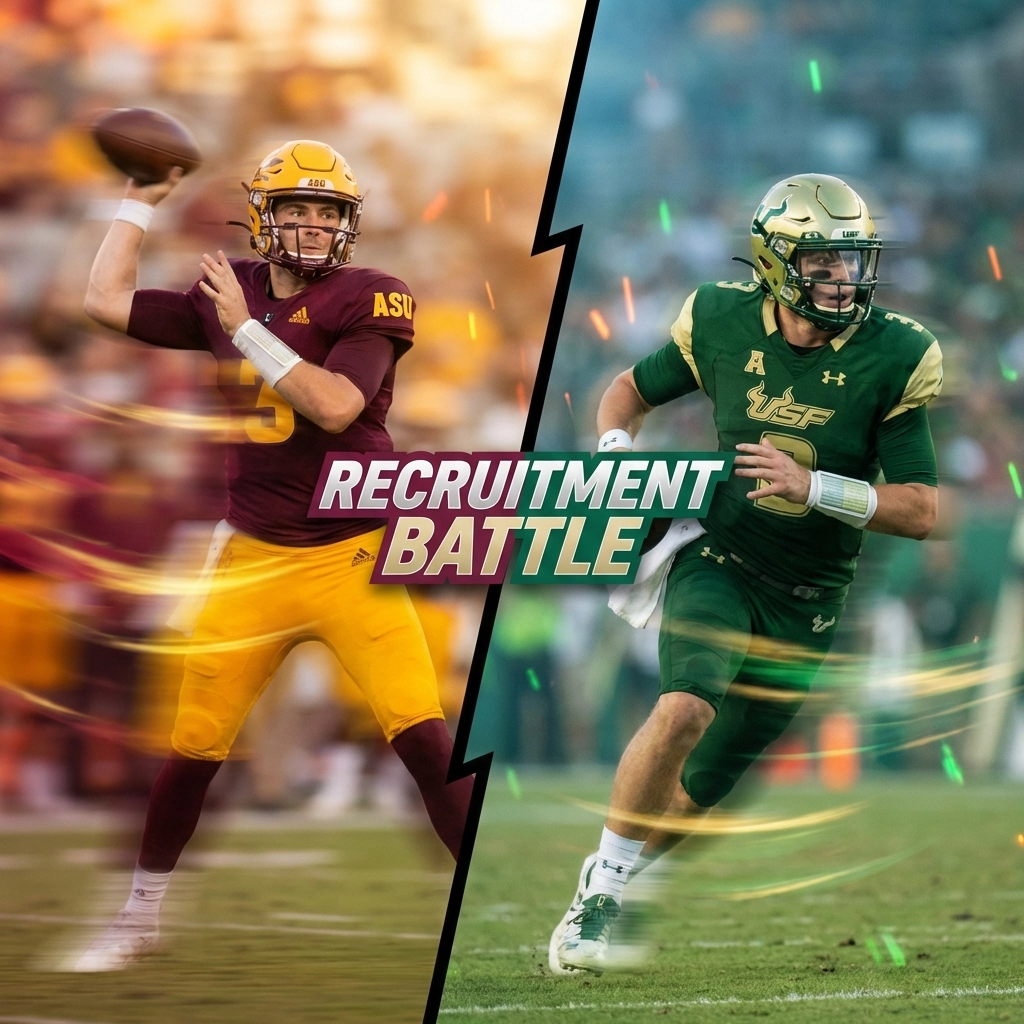
Miami faces a critical decision at quarterback with two elite options trending their way. Sam Leavitt from Arizona State and Byrum Brown from USF represent different styles but equal levels of production.
Sam Leavitt posted 2,885 passing yards with 24 touchdowns and only 6 interceptions across 13 starts in 2025. As arguably the top remaining quarterback in the portal after Brendan Sorsby committed to Texas Tech, Leavitt has visited Tennessee and LSU but Miami remains a "dark horse" contender with significant NIL resources.
Byrum Brown offers dual-threat capabilities that make defenses account for an extra dimension. His 2025 stats: 3,158 passing yards, 28 passing TDs, 1,008 rushing yards, and 14 rushing TDs: represent over 4,000 total yards of production. Miami is battling Auburn for his services, but strong local ties and NIL firepower keep the Hurricanes competitive.
For young quarterbacks in our programs, both players demonstrate the importance of protecting the football while making plays. Leavitt's 6-interception total shows exceptional decision-making, while Brown's rushing production illustrates how mobility creates additional opportunities.
Building Depth and Competition
Omarion Miller – Outside Receiver Threat
Colorado's Omarion Miller averaged 18.0 yards per catch in the competitive Big 12, posting 45 catches for 808 yards and 8 touchdowns. Miami prioritizes vertical threats to complement their slot receivers, making Miller a logical high-priority target.
His production in a Power 4 conference demonstrates he can handle elite competition: a crucial factor when evaluating transfer prospects.
Wendell Gregory – Pass Rush Solution
Oklahoma State's Wendell Gregory earned Big 12 Defensive Freshman of the Year honors with 27 tackles, 12 tackles for loss, and 4 sacks. With Miami losing star edge rushers Rueben Bain and Akheem Mesidor to the NFL, Gregory represents a critical piece to rebuild their pass rush.
Young defensive linemen should study Gregory's technique and motor. His tackles-for-loss total indicates he consistently penetrates offensive backfields: a skill developed through proper hand placement and leverage techniques we teach in our camps.
Depth Pieces with Upside
Brandon Davis-Swain from Colorado offers developmental potential as an interior lineman with Power 4 experience. As a redshirt freshman who started games, he provides the type of depth that championship teams require.
Antonio O'Berry from Gardner-Webb brings FCS production (79 QB pressures, 16.5 TFLs, 9.5 sacks) and represents Miami's ability to identify talent at lower levels and develop it within their system.
The NIL Factor and Recruiting Strategy
Miami's aggressive pursuit demonstrates how NIL has transformed college football recruiting. The speed with which top targets commit often indicates pre-negotiated agreements and sophisticated financial packages.
The Hurricanes' ability to compete for elite transfers like Leavitt and Brown against SEC programs shows their commitment to building a championship roster through both traditional recruiting and portal acquisitions.
Lessons for Youth Development
Miami's transfer portal strategy offers several lessons for young players and their families:
- Versatility Matters: Players like Thornton who contribute in multiple statistical categories become more valuable
- Production Over Potential: College coaches prioritize proven production when evaluating transfers
- System Fit: Players succeed when their skills align with coaching schemes and team needs
- Competition Drives Excellence: Programs that recruit aggressively create internal competition that elevates everyone
The Boardwalk Beasts Connection
At Boardwalk Beasts Football Club, we emphasize the same fundamental skills that make these college targets successful. Our training focuses on:
- Technique Development: Proper footwork, hand placement, and leverage
- Football IQ: Understanding schemes and recognizing situational football
- Competitive Mindset: Creating environments where players push each other to improve
- Versatility: Developing players who can contribute in multiple ways
Looking Ahead
Miami's portal class will significantly impact their 2026 season prospects. With the transfer portal window closing January 16, the next few days will determine whether the Hurricanes can secure their priority targets and build the roster depth necessary for Big 12 competition.
For Brendan Sorsby's commitment to Texas Tech after being Miami's initial top target, it highlights how quickly the portal market moves and why programs must have multiple options at each position.
The Hurricanes' success in landing these transfers will depend on their ability to articulate clear roles, competitive NIL packages, and a pathway to success both on the field and in future NFL aspirations.
Your Path to College Football
Understanding how college programs evaluate and recruit talent helps young players and families navigate their own development journey. The skills these Miami targets demonstrate: consistent production, football intelligence, and competitive drive: are the same qualities we develop in our Boardwalk Beasts programs.
Ready to start building your college football foundation? Visit myfootballcamps.com for our complete training programs, check out boardwalkbeastsfb.com for team information, and explore coachschuman.com for additional resources to help your athlete reach their potential.
Source: PortalIntel.AI Transfer Portal Intelligence Reports
About Author
