
NEURAL SPEED & CNS INTELLIGENCE MANUAL: The Brain-Based Science of Sprinting & Game Speed
Neural Speed: The Hidden Foundation of All Fast Movement
Most young athletes think speed comes from bigger muscles, harder training, or more conditioning. But here's what separates elite performers from the pack: a high-speed nervous system, not high-speed muscles.
The fastest athletes on Earth: from NFL combine stars to Olympic sprinters: share one critical trait: their nervous systems fire faster, coordinate better, and react quicker than everyone else's.
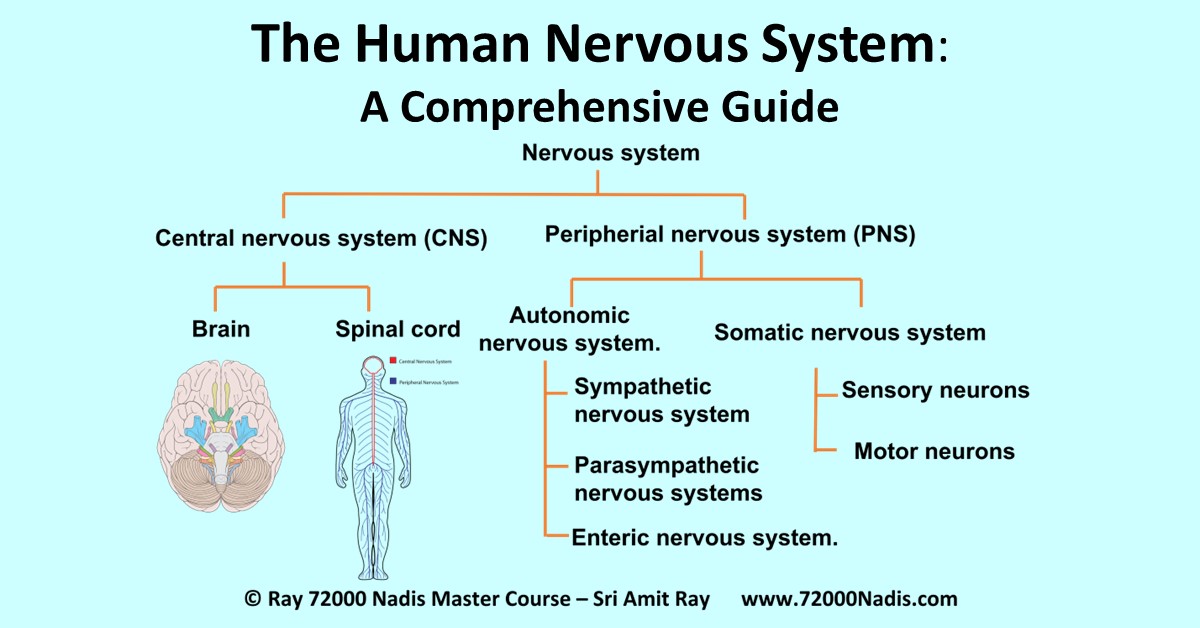
Your nervous system controls every aspect of speed performance:
- Reaction time to visual cues
- Coordination between muscle groups
- Elastic stiffness for ground contact
- Limb cycling speed during sprints
- Movement timing in cuts and breaks
- Posture control under pressure
- Acceleration quality off the line
- Top-end speed expression in the open field
Think of it this way: muscles are the hardware, but your central nervous system (CNS) is the software that runs the whole program.
What Your CNS Actually Controls in Speed Development
At Boardwalk Beasts Football Club, we've seen countless athletes plateau because they focus on everything except neural development. Here's what your CNS manages during high-speed movement:
Rate of Motor Unit Firing: How fast your muscles receive signals from your brain determines limb speed. Elite athletes fire motor units at higher frequencies without conscious effort.
Synchrony of Firing: Your best performers coordinate muscle groups seamlessly. When hip flexors, glutes, and hamstrings fire in perfect timing, speed looks effortless.
Sequence of Muscular Actions: The CNS controls the precise order of hip-knee-ankle movement during acceleration and top speed running.
Reflexive Stiffness: Instant rebound off the ground comes from trained reflexes, not muscle strength. This elastic response happens faster than conscious thought.
Movement Rhythm: Elite coordination creates seamless stride patterns that conserve energy while maximizing speed.
Relaxation Under Speed: The advanced skill of staying loose while sprinting at maximum intensity: something only highly trained nervous systems can achieve.
Switching Efficiency: How quickly your CNS transitions between movement patterns:
- Backpedal to sprint (DBs)
- Deceleration to acceleration (WRs on breaks)
- Cut to burst (RBs hitting gaps)
- Route break to re-acceleration (all skill positions)

The CNS Hierarchy of Speed (Charlie Francis Method)
Legendary sprint coach Charlie Francis revolutionized speed training by proving that speed is purely CNS-driven. His hierarchy, supported by modern neuroscience, shows the true order of speed development:
Level 1 – Neural Drive: Motor unit firing speed governs stride frequency and elastic recoil. This is your speed ceiling.
Level 2 – Coordination: Timing and fluidity determine how efficiently you can express your neural drive.
Level 3 – Elastic Stiffness: Bounce, ground contact time, and energy return amplify neural signals.
Level 4 – Posture: Force direction and hip height control how your power transfers to the ground.
Level 5 – Strength: Supports posture and resilience but comes LAST, not first.
Notice what's at the bottom? Strength. Most youth programs flip this pyramid upside down, wondering why their strongest athletes aren't their fastest.
Why Neural Freshness Equals Fast Running
Francis's signature principle still holds true: "Speed only improves when the CNS is fresh."
Here's the science: CNS fatigue reduces neural firing rate, which cascades into slower limb cycling, longer ground contact times, and less elastic recoil. Fatigue also destroys posture, coordination, and reaction speed.
This is why our elite athletes at Boardwalk Beasts look fresh, snappy, and relaxed during their fastest runs: never grinding or overworked. When you see an athlete struggling through a 40-yard dash, you're watching CNS fatigue in real time.
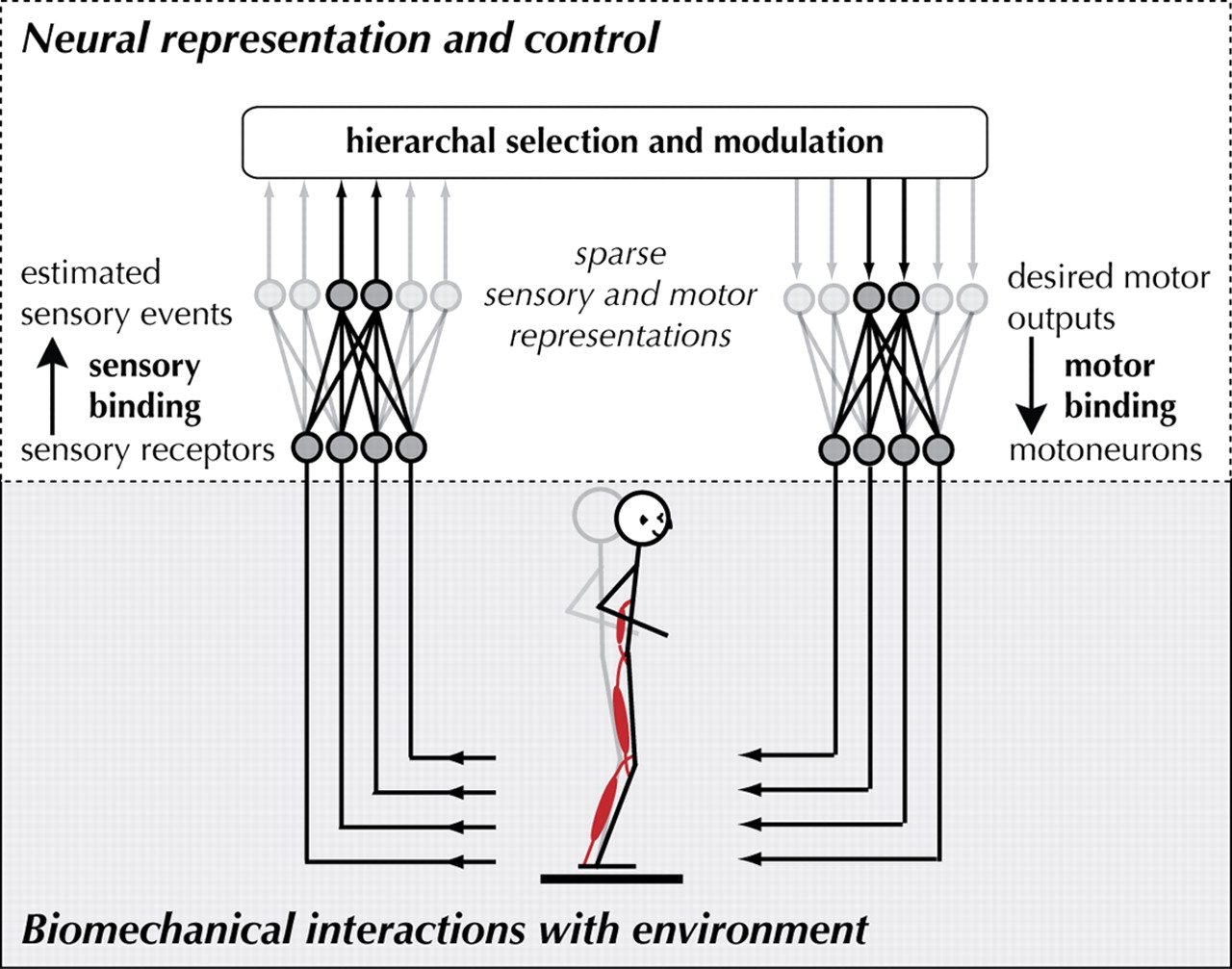
CNS Qualities of Elite Speed Athletes
What separates players like Tyreek Hill, Deion Sanders, and Ja'Marr Chase from good athletes? Their nervous systems operate at a higher level:
High Neural Firing Frequency: Their limbs move faster without visible effort or strain.
Superior Reflex Timing: Instant ground contact responses create that characteristic "bounce" in their stride.
High Movement IQ: Natural coordination and rhythm that can't be taught through drills alone.
Rapid Pattern Switching: Smooth transitions between acceleration phases, direction changes, and speed variations.
Relaxation Under Pressure: Less muscle tension creates more neural bandwidth for speed expression.
Advanced Proprioception: They know exactly where their body is in space during chaotic movements.
Quick Motor Pattern Switching: Seamless transitions between:
- Backpedal to sprint (DBs)
- Cut to burst (RBs)
- Brake to re-acceleration (WRs)
This neural superiority is why elite athletes look "different" during movement: their CNS handles complexity automatically.
Neural Speed in Football Positions
Wide Receivers (WRs)
Neural speed appears in release timing, sudden accelerations mid-route, precise route-break rhythm, relaxed deep-route running, and body control during contested catches.
Defensive Backs (DBs)
Elite DBs show neural speed through instant reaction and recognition, hip-flip precision, smooth sprint transitions, recovery burst after breaks, and advanced pattern reading.
Running Backs (RBs)
Neural speed manifests as explosive first-step burst, sudden stop-start ability, elastic cuts through traffic, chaos navigation, and posture control under contact.
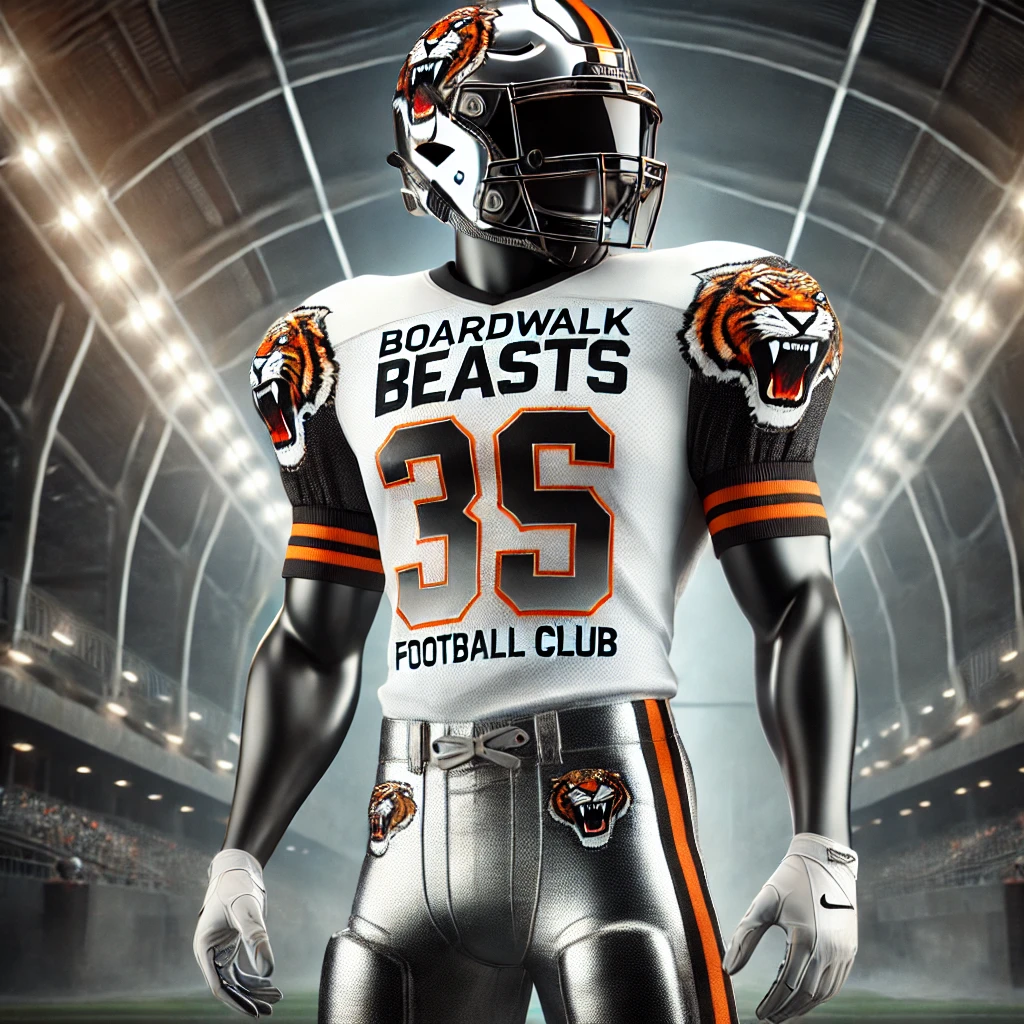
Game speed is simply neural speed applied to football-specific chaos.
The Neural Skill of Relaxation
Relaxation isn't an attitude: it's a neuromuscular strategy that elite athletes master through training.
When you stay relaxed at high speeds, your nervous system can:
- Move limbs faster
- Generate higher tendon stiffness
- Maintain better posture
- Execute cleaner hip mechanics
- Achieve shorter ground contacts
- Create more efficient arm swing
Tension literally slows everything down by overloading the CNS, creating longer ground contacts, poor timing, and unwanted braking forces.
Elite athletes sprint at 95-100% intensity while appearing "soft" because their CNS is trained for high-speed control without excess tension.
The Seven Laws of Neural Speed
Based on Charlie Francis's methods and modern neuroscience, these laws govern all fast movement:
Law 1: Speed comes from the nervous system, not the muscles.
Law 2: The CNS must be fresh to express speed.
Law 3: Relaxation increases firing frequency.
Law 4: Coordination determines usable speed.
Law 5: Tendon stiffness amplifies neural signals.
Law 6: Rhythm conserves CNS energy.
Law 7: Speed dies first in the brain, not the legs.
Most athletes train everything except their nervous system. Elite athletes train FOR their nervous system.
Developing Neural Speed at Boardwalk Beasts
At Boardwalk Beasts Football Club, we structure our training programs around neural development principles. Our athletes learn to:
- Recognize movement patterns faster
- Execute technique with less conscious effort
- Maintain speed under game pressure
- Transition between movement patterns seamlessly
- Stay relaxed while competing at maximum intensity
This neural approach is why our athletes consistently perform at elite levels during showcases and competitions.
The Bottom Line: Your Brain Is Your Speed Engine
Neural speed creates faster acceleration, higher max velocity, smoother transitions, better movement IQ, elastic re-acceleration, superior reaction time, cleaner mechanics, and more efficient posture.
Speed isn't in your legs: it's in your brain, your nerves, and your coordination system. This is why Charlie Francis's system remains unmatched decades later, and why our approach at Boardwalk Beasts emphasizes neural development over traditional strength-first methods.
When you train your nervous system to fire faster, coordinate better, and stay relaxed under pressure, speed becomes automatic. That's the difference between good athletes and elite performers: and it's exactly what we develop in every player who trains with us.
About Author
