Legal Firestorm: Washington QB Demond Williams Jr. Enters Portal Amid $4M NIL Dispute
Ready to develop championship-level decision-making skills like the pros? Visit myfootballcamps.com and boardwalkbeastsfb.com for elite training programs that build mental toughness and strategic thinking on and off the field.
The college football world witnessed one of the most dramatic portal sagas in recent memory this week as Washington quarterback Demond Williams Jr. created a legal and financial firestorm that shook the very foundations of NIL agreements. What started as a shocking portal announcement quickly escalated into a high-stakes battle involving million-dollar contracts, legal threats, and agent abandonment: before ending with an equally stunning reversal that kept Williams in purple and gold.
The $4 Million Bombshell
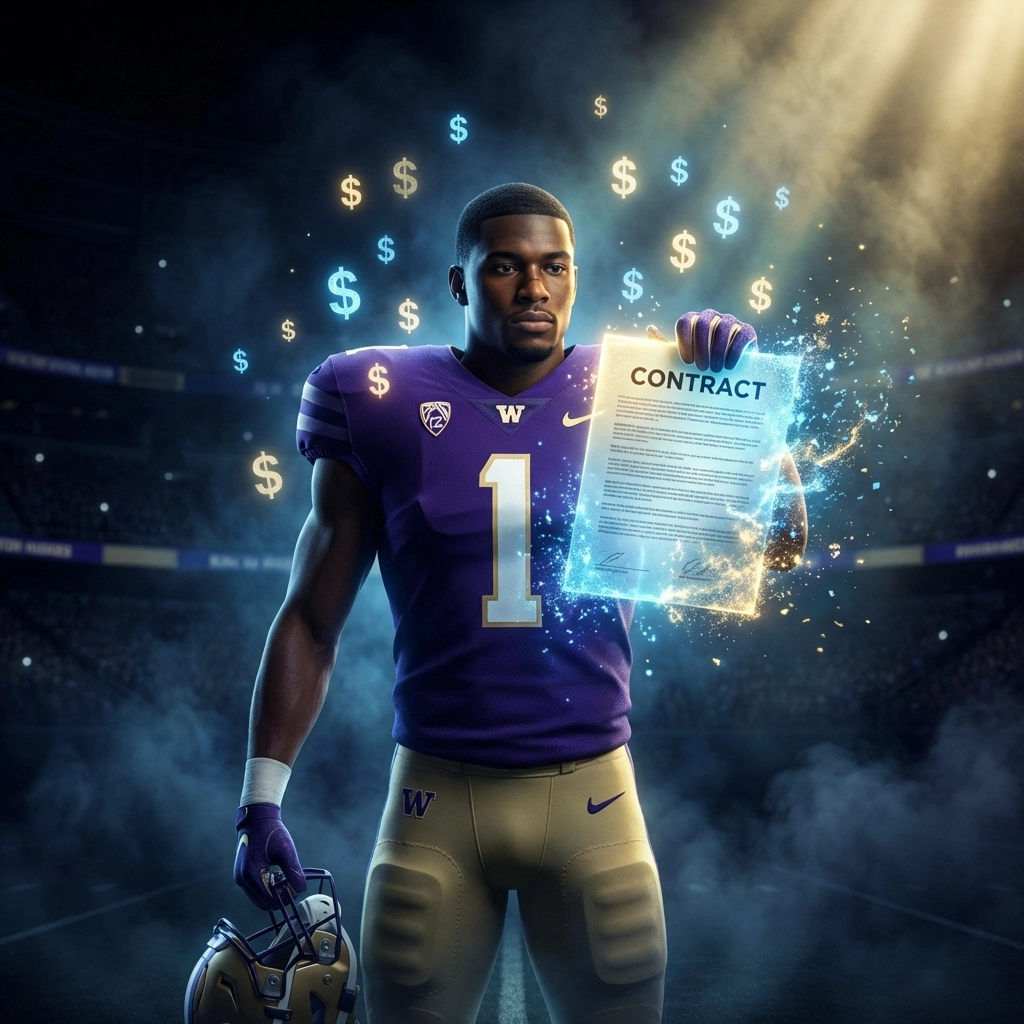
Williams had just inked one of the most lucrative quarterback deals in college football history: a $4-4.5 million revenue-sharing and NIL agreement that positioned him among the highest-paid players in the sport. The contract was designed to keep the dynamic dual-threat quarterback in Seattle for his junior season, representing Washington's massive investment in their offensive future.
But less than a week after putting pen to paper, Williams detonated that investment with a Tuesday Instagram post announcing his entry into the NCAA Transfer Portal. The timing couldn't have been worse: Williams made his announcement during a campus Celebration of Life service for Washington goalkeeper Mia Hamant, drawing widespread criticism for the insensitive timing.
"I need to do what is best for me and my future," Williams posted, seemingly walking away from the most lucrative deal of his career without explanation.
Legal War Erupts
Washington's response was swift and merciless. University officials immediately invoked the contract's binding language, refusing to formally enter Williams into the transfer portal and threatening comprehensive legal action to enforce the signed agreement.
The Huskies' position was crystal clear: Williams had signed a binding contract, and they were "prepared to pursue all legal avenues" to hold him to it. This wasn't just about money: it was about setting a precedent that million-dollar agreements can't be casually abandoned on social media.
Sources indicate the contract included liquidated damages clauses specifically designed to prevent exactly this scenario. Washington was positioned to recoup not just signing bonuses but potentially seek additional damages for breach of contract.

Tampering Allegations Surface
The plot thickened when Washington submitted evidence of alleged tampering to the Big Ten conference. Intelligence pointed to LSU and Ole Miss as potential aggressors who may have induced Williams to break his Washington contract with superior financial packages.
The timing was suspicious: Williams' sudden change of heart came immediately after his Washington signing, suggesting external influences had convinced him a better deal awaited elsewhere. Lane Kiffin's Ole Miss offense and LSU's need for an immediate playmaker made both schools logical destinations for the elite dual-threat quarterback.
This tampering angle added another layer of complexity to an already volatile situation, potentially exposing the pursuing schools to their own legal and NCAA compliance issues.
Agent Abandonment
Perhaps the most telling development came when Williams' agent, Doug Hendrickson of Wasserman Sports, dropped him as a client citing "philosophical differences." This is virtually unprecedented in the agent-player relationship and signals just how toxic the situation had become.
Hendrickson, an executive vice president at one of the industry's most prestigious agencies, doesn't abandon high-profile clients lightly. His decision to cut ties suggests either Williams made the portal decision against counsel, or external influences had compromised the client-agent relationship beyond repair.
Williams quickly retained sports attorney Darren Heitner as legal counsel, indicating he was preparing for a prolonged legal battle with his former university.

The Williams Profile: Elite Talent, Complicated Package
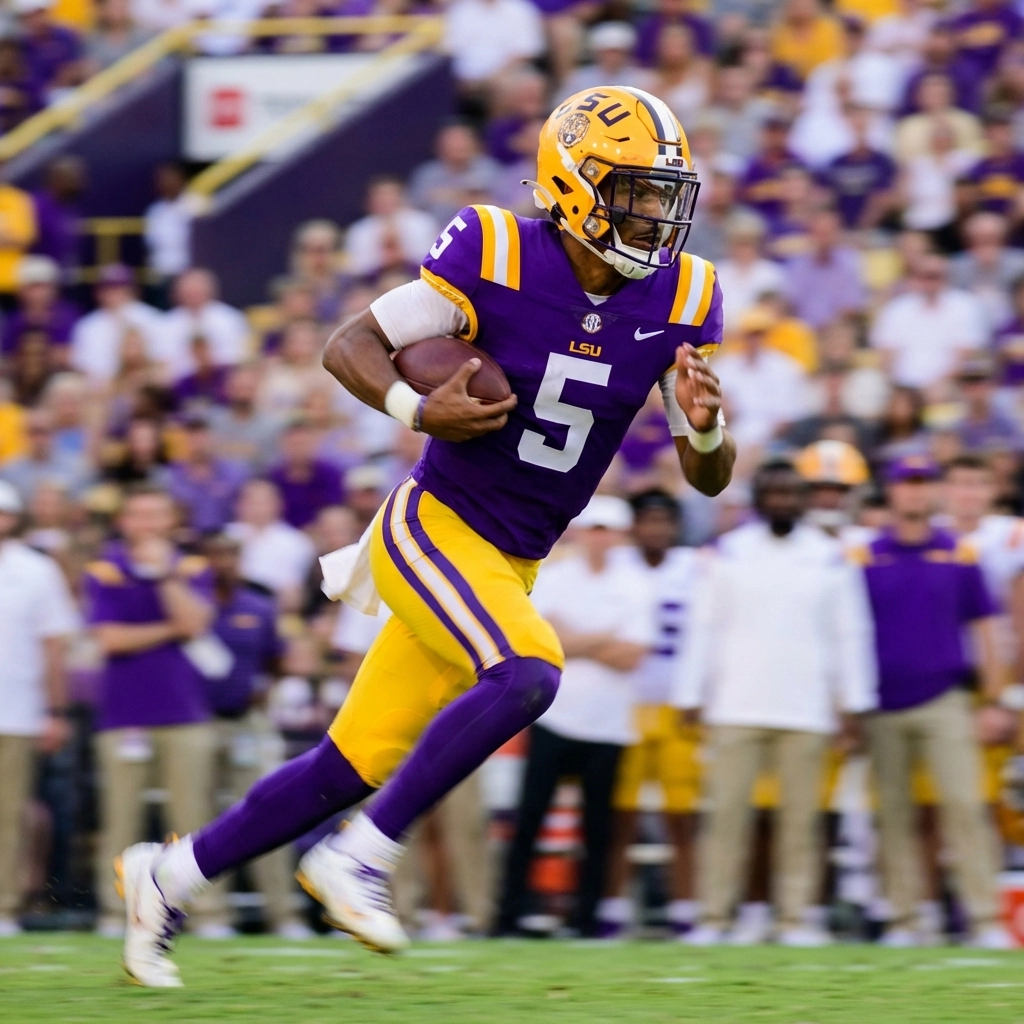
At 5'11" and 195 pounds from Chandler, Arizona's Basha High School, Williams represents everything modern college football covets in a quarterback. His 2025 season numbers tell the story of an elite dual-threat weapon: 69.5% completion percentage, 3,065 passing yards, 25 touchdowns, and just 8 interceptions through the air, plus 611 rushing yards and 6 touchdowns on the ground.
Williams possesses that rare combination of elite escapability and accuracy that makes defensive coordinators lose sleep. His lateral agility and 4.4-range speed turn broken plays into explosive gains, while his improved completion percentage showed significant mental growth from his sophomore to junior seasons.
However, his 5'11" frame creates challenges reading defensive fronts, and ball security remains a concern when extending plays. He's the type of quarterback who can single-handedly change a program's trajectory: or create exactly the type of chaos we witnessed this week.
The Stunning Reversal
Just when it appeared Williams was headed for a protracted legal battle, everything changed Thursday night. In a dramatic reversal that caught the college football world off guard, Williams posted a new Instagram message: "I am fully committed and focused on contributing to what we are building."
The reversal came just hours after losing his agent, suggesting the mounting legal pressure and professional consequences had finally penetrated. Williams chose to honor his original commitment rather than face the uncertainty of litigation and the potential career damage of being branded as untrustworthy.
Implications for College Football's Future
This saga represents far more than one quarterback's change of heart: it's a preview of college football's NIL future. As deals grow larger and more complex, the stakes for contract disputes will only intensify.
Washington's aggressive legal stance sends a clear message to the industry: million-dollar NIL agreements aren't suggestions, they're binding contracts that universities will enforce through every available legal avenue. This precedent could fundamentally change how players and agents approach portal decisions when significant money is involved.
The tampering allegations also highlight the urgent need for clearer enforcement mechanisms as schools become increasingly aggressive in pursuing talent. The current system's gray areas create opportunities for bad actors to destabilize rosters through financial inducements.
What's Next for Washington
Williams' decision to stay provides Washington with stability at the sport's most critical position, but questions remain about the long-term relationship. Can a quarterback who publicly attempted to break his commitment maintain the trust and leadership necessary to guide a program?
The Huskies' willingness to engage in legal warfare demonstrated their commitment to contract enforcement, but it also revealed the precarious nature of their quarterback situation. Had Williams successfully transferred, Washington would have faced a catastrophic depth chart crisis with only unproven underclassmen available.

The New NIL Reality
This week's drama illustrates college football's evolution into a fully professional enterprise where seven-figure contracts create seven-figure problems. Players, agents, and universities must now navigate complex legal frameworks that didn't exist just five years ago.
The Williams case establishes important precedents: contracts will be enforced, tampering will be investigated, and the consequences for breaking agreements extend far beyond just changing schools. As NIL deals grow larger, expect more legal challenges and more aggressive enforcement from universities protecting their investments.
For programs building championship cultures, this saga provides valuable lessons about the importance of character evaluation alongside athletic ability. Elite talent means nothing if it comes with questionable decision-making and commitment issues.
The Williams drama perfectly illustrates why programs like Boardwalk Beasts focus on developing both athletic excellence and mental toughness. Learn championship-level decision-making and character development through our comprehensive programs at myfootballcamps.com and coachschuman.com. Visit boardwalkbeastsfb.com to discover how we build athletes who make smart choices under pressure.
Source: PortalIntel.AI
About Author
