
How the 2026 NFL Draft's Top Defensive Tackles Mastered Fundamentals Taught at the Youth Level
The path from youth football to the NFL Draft starts with mastering the basics. While we can't trace the exact youth development of every 2026 defensive tackle prospect, one thing remains constant: the fundamentals taught on youth fields across America are the same techniques these elite athletes display on college Saturdays.
At Boardwalk Beasts Football Club, we teach defensive linemen the same core principles that separate good players from great ones at every level. The difference between a youth player and an NFL prospect isn't the technique: it's the speed, power, and consistency with which they execute these fundamentals.
The Foundation: Stance and Get-Off
Every dominant defensive tackle starts with the same foundation we drill at youth camps: proper stance and explosive get-off. The three-point stance isn't just about comfort: it's about creating maximum power transfer from the ground up.
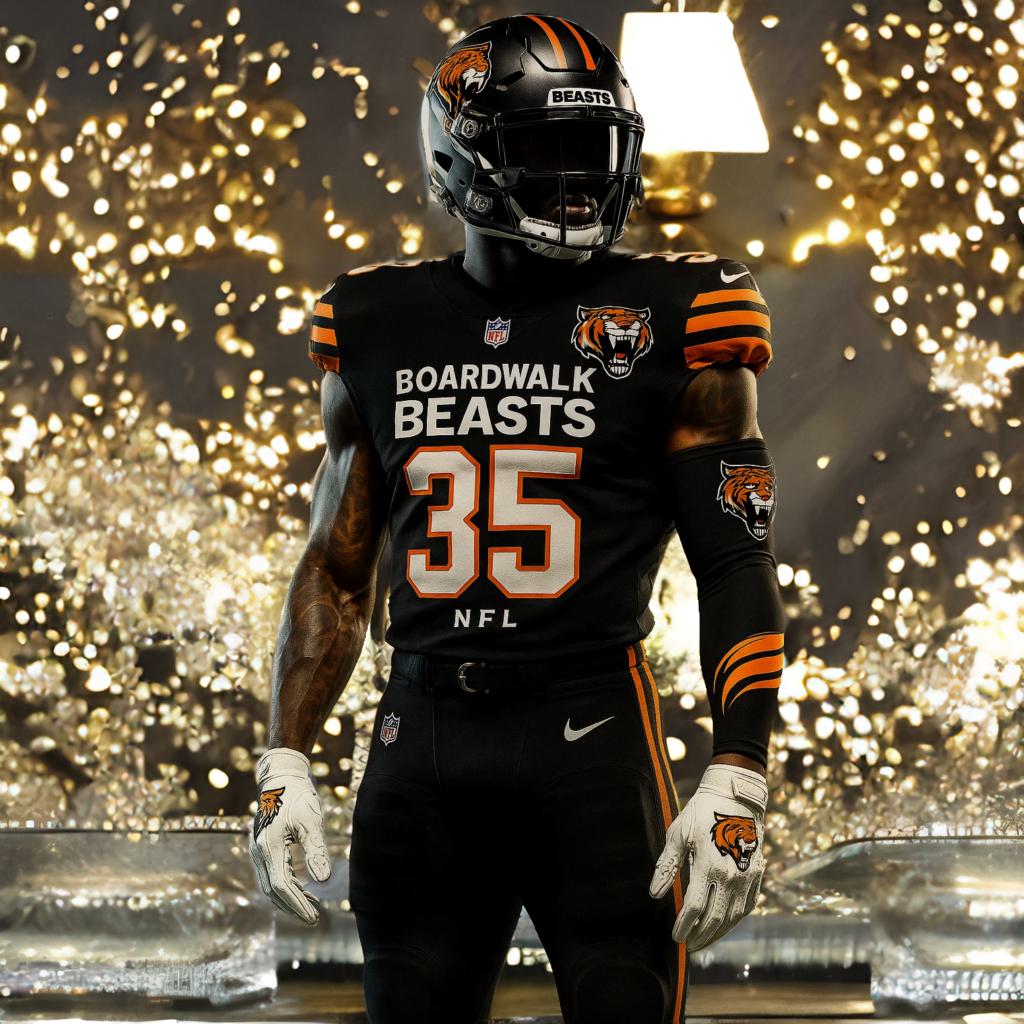
Youth Level Teaching Points:
- Weight distribution: 60% on feet, 40% on hand
- Inside foot slightly back for gap responsibility
- Eyes up, focusing on the center's hands or belt buckle
- Coiled position ready to explode forward
NFL Translation:
Elite defensive tackles like those projected in the 2026 class demonstrate lightning-quick first steps off the snap. They've automated their stance through thousands of repetitions, allowing them to focus on reading the play while their body reacts instinctively.
At Boardwalk Beasts, we use the "statue drill" to teach proper stance. Players hold their stance for 30 seconds while coaches check their positioning. It's not flashy, but it builds the muscle memory that translates to explosive get-offs in games.
Hand Placement: The Battle Within the Battle
The most critical skill separating elite defensive tackles from the rest is hand placement and technique. This isn't taught differently at youth level: it's taught more deliberately.
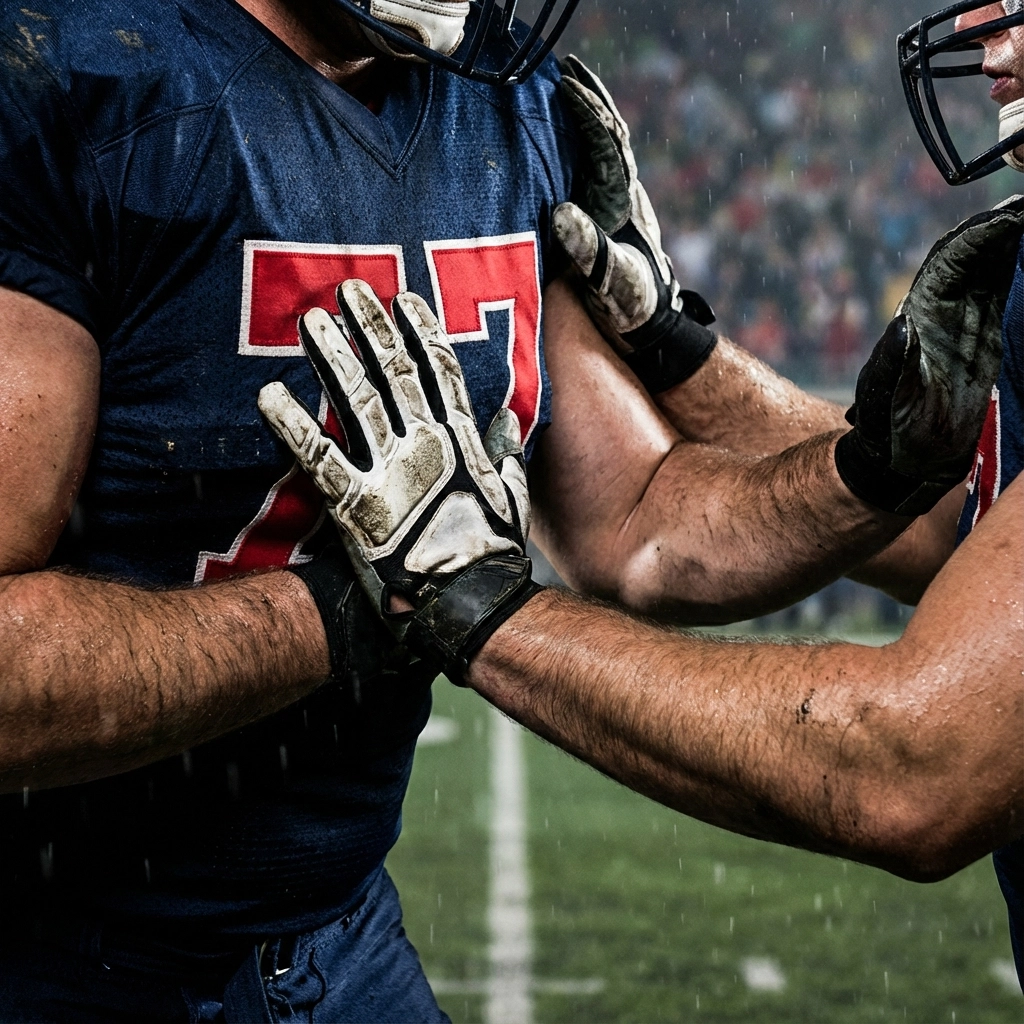
The Fundamentals We Teach:
- Strike with the heel of the palm, not fingers
- Target the offensive lineman's chest plate
- Keep hands inside the framework of the blocker's body
- Punch with violent, short strikes
Advanced Applications:
- Hand fighting to maintain inside leverage
- Rip and swim moves to disengage
- Using hands to control the blocker's momentum
Every rep in practice matters. We tell our youth players that hand placement determines who wins each snap. NFL prospects have simply refined this technique through years of competitive repetition.
Pad Level and Leverage: Physics in Action
"Low man wins" isn't just a coaching cliche: it's physics. The defensive tackle who can maintain lower pad level while staying functional has a massive advantage.
Youth Development Progression:
- Static Position Work: Teaching players to bend at the hips and knees, not the waist
- Movement Drills: Maintaining pad level while engaging blockers
- Game Application: Using leverage to shed blocks and make tackles
NFL-Level Execution:
Top defensive tackle prospects demonstrate the ability to stay low while maintaining incredible functional strength. They've mastered the balance between being low enough to gain leverage and high enough to disengage and pursue the ball.
At our training programs, we use the "tunnel drill" where players must engage a blocking pad while staying under a rope stretched at shoulder height. Simple concept, but it builds the muscle memory that creates elite leverage players.
Gap Responsibility and Reading Blocks
Understanding gap responsibility starts at the youth level but becomes increasingly complex as players advance. The mental side of defensive tackle play separates good athletes from great football players.

Foundation Teaching:
- Know your gap assignment on every play
- Read the center's movement for run/pass keys
- Understand how your responsibility changes with different fronts
- Communicate with linebackers about potential picks and screens
Advanced Concepts:
Elite defensive tackles process multiple reads simultaneously:
- Center's initial movement and hand placement
- Guard's leverage and pass set indicators
- Backfield action and quarterback eyes
- Down and distance tendencies
We teach our youth players to start with one key: usually the center: then gradually add reads as they develop. The progression is crucial. Rush too fast and players become overwhelmed; too slow and they fall behind their peers.
Footwork and Movement Skills
Defensive tackle isn't just about size and strength anymore. Modern defensive tackles need the footwork of defensive backs and the power of powerlifters.
Fundamental Footwork Patterns:
- 6-Technique Rush: Outside rush lane with speed-to-power conversion
- Stunts and Games: Crossing faces and picking up different gaps
- Pass Rush: Multiple rush moves requiring different footwork patterns
- Pursuit: Proper angles and effort to the ball
Training Applications:
- Cone drills for change of direction
- Ladder work for foot speed and coordination
- Pass rush specific footwork (rip, swim, bull rush)
- Pursuit angles and effort conditioning
The defensive tackles heading into the 2026 draft didn't develop their movement skills overnight. They built them through consistent practice of basic footwork patterns that any youth player can learn.

Mental Processing and Game Recognition
The mental side of defensive tackle play begins with basic pattern recognition that we can teach to 12-year-olds.
Progressive Mental Development:
- Youth: Learn formation recognition and basic down/distance concepts
- High School: Add route concepts and offensive tendencies
- College: Master complex game planning and opponent-specific adjustments
- NFL: Process everything instantaneously while executing at elite speed
We start our youth players with simple pattern recognition: "If the guard sets back, it's probably pass." "If he fires out low, expect run." These basic concepts scale up to the complex processing required at elite levels.
Implementing These Fundamentals at Boardwalk Beasts
Our approach focuses on perfecting fundamentals through competitive repetition. Every drill has a winner and loser. Every rep has consequences. This creates the competitive mindset necessary for players who want to advance to higher levels.
Daily Practice Structure:
- Individual technique work (15 minutes)
- Position-specific drills (20 minutes)
- Team integration and live reps (25 minutes)
We don't just teach technique: we teach technique under pressure. The best youth defensive tackles aren't just technically sound; they perform their techniques while being physically and mentally challenged.
The Takeaway for Youth Players
The 2026 NFL Draft's top defensive tackle prospects didn't learn different fundamentals than what we teach at Boardwalk Beasts: they just perfected the execution through years of dedicated practice.
Every rep matters. Every coaching point matters. The stance you practice at age 12 becomes the stance you use when college scouts are watching at age 17.
For parents and players serious about development, focus on these key areas:
- Consistent practice of proper techniques
- Understanding that fundamentals never become "too basic"
- Competing in every drill and situation
- Learning the mental side alongside the physical skills
The path to elite play starts with mastering the basics. At Boardwalk Beasts Football Club, we're committed to teaching those fundamentals the right way, building the foundation that can support a player's dreams at any level.
About Author
