
Enhancing 9-on-7 Drills: Leveraging Post-Snap RPOs Against the Box Safety
The 9-on-7 drill has become a cornerstone of modern football practice, providing the perfect balance between full-field reads and controlled repetitions. But here's what separates good coaching from great coaching: understanding how to maximize every single rep. At Boardwalk Beasts Football Club, we've discovered that incorporating post-snap RPOs (Run-Pass Options) specifically targeting safety rotation creates game-changing moments that elevate both sides of the ball.
The Power of the Post-Snap RPO Against Box Safety
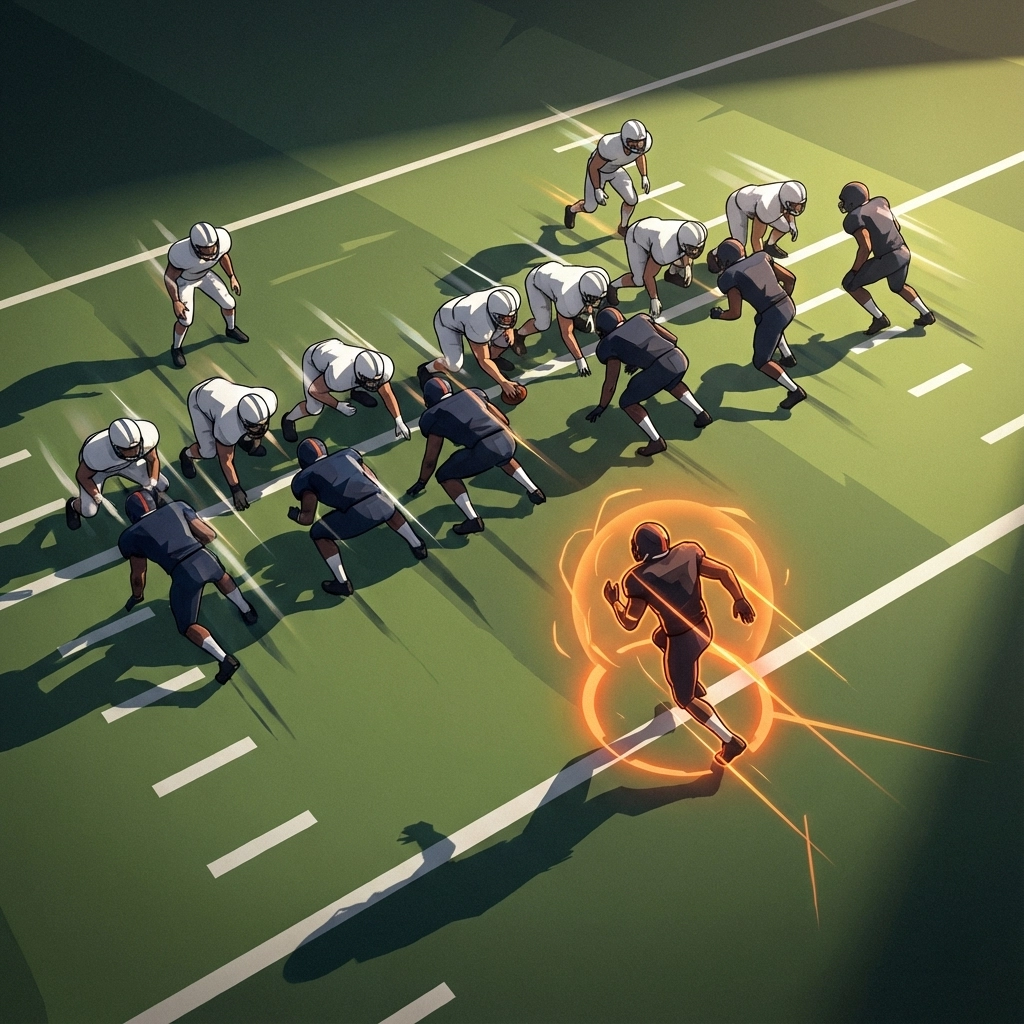
When a safety rotates down into the box post-snap, most offenses miss the golden opportunity this presents. That safety's movement creates a numerical advantage somewhere on the field – you just need to know where to look and how to attack it. The post-snap RPO off the safety inserting into the box isn't just a play call; it's a chess move that forces both your offense and defense to think at game speed.
Here's why this concept works so effectively in 9-on-7 settings: The quarterback gets a clear, identifiable read while the defense must communicate and adjust to multiple threats simultaneously. When that safety comes down, he's either leaving the deep middle vulnerable or creating an overload that your RPO can exploit.
Understanding the Safety's Dilemma
The inserting safety faces an impossible choice. If he commits to stopping the run, the quarterback has clear throwing lanes to attack the vacated deep zones. If he hesitates or tries to cover both responsibilities, he becomes ineffective at both. This puts tremendous pressure on the safety to make split-second decisions while your offense gains valuable insight into defensive communication and adjustment speed.
The beauty of running this concept in 9-on-7 is that both units get maximum value from each rep. Your offense practices reading defensive movement and making quick decisions, while your defense works on communication, rotation timing, and maintaining gap integrity under pressure.
Implementing the Concept: Coaching the Read
Teaching quarterbacks to read the safety insertion starts with pre-snap recognition. Your QB needs to identify the safety's alignment and anticipate his likely movement based on down, distance, and field position. But the real magic happens post-snap when the safety declares his intention.
The quarterback's read progression becomes beautifully simple: If the safety comes down hard and fast, check the quick slant or bubble route to attack the vacated space. If the safety hesitates or tries to split the difference, hand the ball off and let your running back attack the soft box. The key is training your quarterback to trust his eyes and make decisive choices.
Practice this read with tempo changes. Start slow, letting your QB see the safety's movement clearly, then gradually increase the pace until decisions must be made at game speed. Your quarterbacks will develop an instinctive feel for defensive movement patterns that translates directly to Friday night success.
The TE Pop Counter: When Mike Fills
Here's where the drill gets really interesting. When the Mike linebacker fills the gap to stop your initial RPO concept, you've got another weapon ready: the tight end pop route. This adjustment teaches your quarterback to work through multiple progressions while keeping the defense honest on all levels.
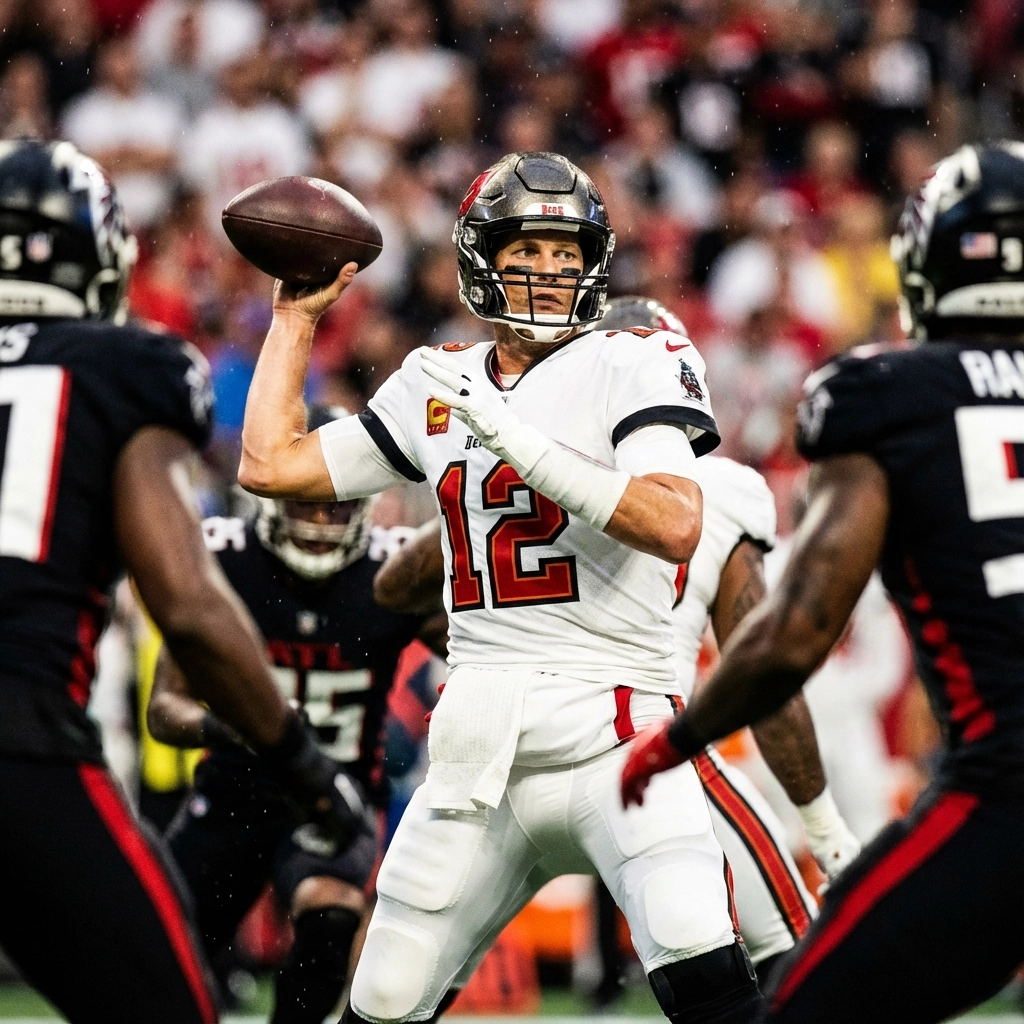
The TE pop works because linebackers naturally want to attack downhill when they see run action. When that Mike linebacker commits to filling, he's creating space behind him that your tight end can exploit with a quick pop route at 8-12 yard depth. This concept forces the Mike to make the same impossible choice the safety faced – commit to one responsibility and leave another vulnerable.
Benefits for the Offensive Unit
For your offensive players, these RPO concepts in 9-on-7 create multiple learning opportunities. Quarterbacks develop pocket presence and decision-making speed. Running backs learn to read blocks while staying alert for quick pitch opportunities. Receivers practice precise route running under pressure while tight ends work on timing and finding soft spots in coverage.
The offensive line benefits enormously from these drills. They must execute both run blocking and pass protection concepts simultaneously, never knowing which way the play will develop. This uncertainty creates the perfect training environment for developing flexible, reactive linemen who can adjust their blocking schemes based on defensive flow.
Defensive Advantages: Communication Under Fire
From the defensive perspective, these enhanced 9-on-7 drills create invaluable teaching moments. Safeties learn to make decisive choices rather than trying to cover multiple responsibilities poorly. Linebackers practice gap discipline while maintaining awareness of crossing routes and pop concepts.
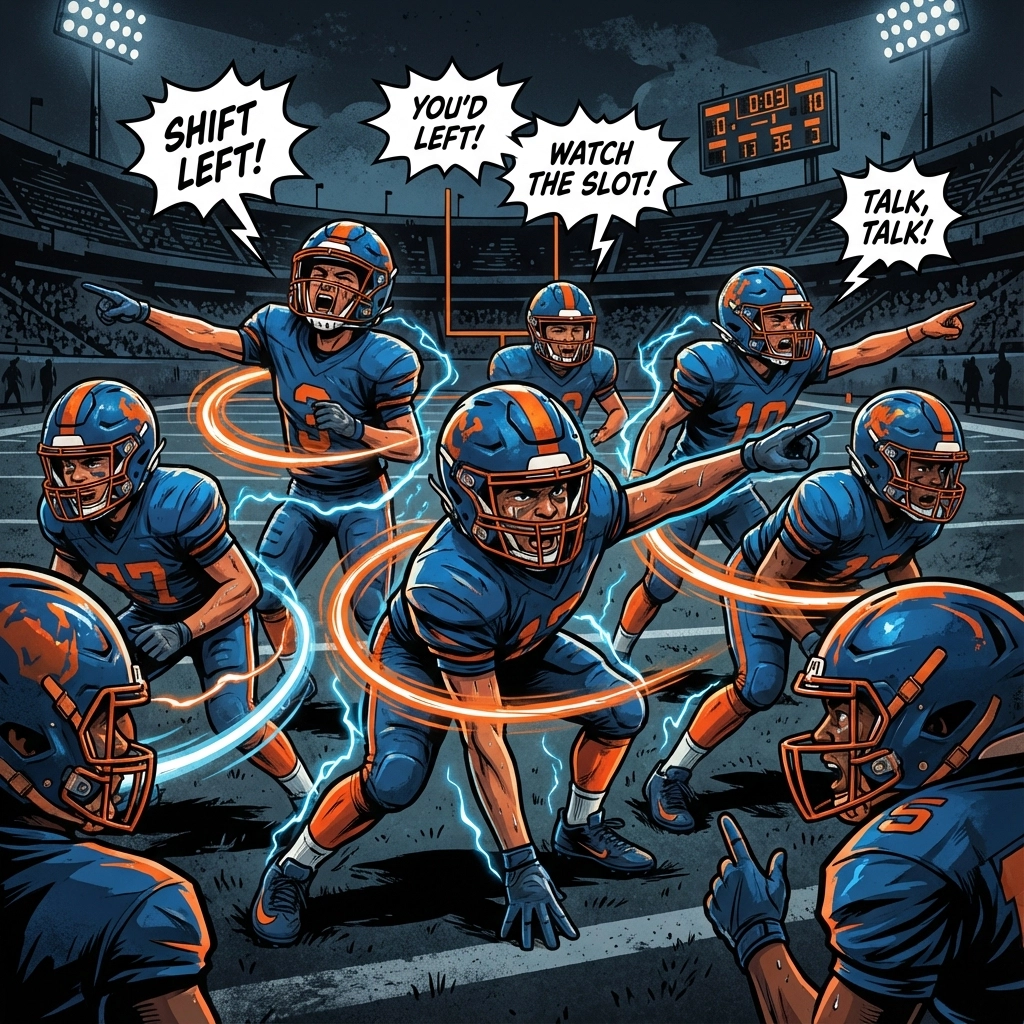
The communication aspect cannot be overstated. When offenses run multiple RPO concepts with various counters, defenses must talk constantly. They learn to identify offensive tendencies, call out route combinations, and adjust their alignment and assignment on the fly. These skills translate directly to game situations where defensive communication often determines the outcome of crucial plays.
Practical Implementation Tips
Start by installing the basic concept with walk-through speed. Ensure your quarterback understands the safety read before adding the Mike linebacker counter. Use colored cones or markers to help players visualize the zones they're attacking or defending until the concepts become second nature.
Rotate your defensive looks to give offense different pictures. Sometimes bring the safety down early, sometimes late. Vary the Mike linebacker's approach. This variation forces your offense to read and react rather than simply execute a predetermined play call.
Track success rates for both units. Monitor how often your offense correctly identifies and attacks the defensive weakness versus how often your defense successfully communicates and adjusts to multiple threats. This data helps you identify which players need additional work on specific concepts.
Key Indicators and Teaching Points
Teach your quarterbacks to watch for specific indicators. A safety cheating toward the line of scrimmage pre-snap often signals his intention to come down. A linebacker creeping forward may indicate he's preparing to fill. These pre-snap tells help quarterbacks anticipate defensive movement and make faster post-snap decisions.
For defensive players, emphasize the importance of eye discipline. Safeties must avoid getting caught looking in the backfield while receivers run past them. Linebackers need to maintain vision on both the quarterback and their assigned gap responsibility.
Elevating Competition for All Players
The competitive element these concepts bring to 9-on-7 drills cannot be overlooked. Suddenly, every rep matters more because both units know the offense has multiple ways to attack any defensive adjustment. This creates an environment where players must be mentally sharp and physically ready on every single snap.
Position coaches love these enhanced drills because they provide clear teaching moments. When a safety gets caught in no-man's land, it's immediately obvious why the concept worked. When a quarterback misses an open receiver because he forced a run read, the mistake is clear and correctable.
Takeaways for Both Sides of the Ball
Offensive Takeaways:
- Develop systematic approaches to reading defensive movement
- Practice multiple concepts from the same formation to keep defenses guessing
- Build quarterback confidence in making quick decisions under pressure
- Create timing and chemistry between quarterbacks and skill position players
Defensive Takeaways:
- Improve communication speed and clarity
- Develop disciplined approach to assignment responsibility
- Practice adjustment skills when offenses present multiple threats
- Build confidence in individual matchups while maintaining team concept awareness
The enhanced 9-on-7 drill isn't just about running more plays – it's about maximizing the learning potential of every repetition. When you incorporate post-snap RPOs targeting the box safety with TE pop counters off Mike filling, you create a training environment that prepares both units for the complex decisions they'll face on Friday nights.
At Boardwalk Beasts Football Club, we believe in training that translates directly to game success. These enhanced 9-on-7 concepts give our players the tools they need to recognize, react, and execute when the lights are brightest and the stakes are highest. That's how champions are built – one elite repetition at a time.
About Author
