Do You Really Need 7v7 Headgear? Here’s the Truth About Modern Player Safety
Before we dive into the nitty-gritty of player safety, make sure you’re staying ahead of the game. Check out myfootballcamps.com, coachschuman.com, and boardwalkbeastsfb.com for our latest camp schedules, recruiting tips, and elite training programs.
If you’ve stepped onto a 7v7 field lately, you’ve probably noticed a big change. It wasn't that long ago that 7v7 was just T-shirts and shorts. You’d see kids out there in backwards baseball caps or just a pair of shades, looking to burn a DB on a post route. But walk into any major tournament today, whether it's a Pylon event, an OT7 circuit, or a Boardwalk Beasts showcase, and the look has shifted.
Soft-shell headgear is everywhere. In many cases, it’s not even a choice anymore; it’s a requirement.
But the question persists among parents and players: “Do we really need this?” It’s a non-contact sport, right? No one is getting tackled. No one is getting blindsided by a pulling guard. So why the extra gear?
As someone who lives and breathes this sport at the Boardwalk Beasts Football Club, I’ve seen the evolution firsthand. We are competitive, we are aggressive, and we want our athletes to play at the highest level. But we also have to be pragmatic about safety. Let’s break down the truth about 7v7 headgear and why the "new norm" is here to stay.
The Myth of the "Non-Contact" Sport
Let’s get one thing straight: "Non-contact" in football is a bit of a polite fiction. While 7v7 rules strictly forbid tackling and blocking, anyone who has ever played a high-stakes game knows that incidental contact isn't just possible, it’s guaranteed.
Think about a high-pointed ball in the end zone. You’ve got a 6'3" wideout and a physical DB both tracking the same piece of leather. They both jump, their eyes are on the ball, and, boom, heads collide. Or think about a crossing route where a receiver is focused on the catch and a defender is closing the gap at full speed. Even without a tackle, those "accidental" bumps carry a lot of force.
Research shows that athletes in 7v7 play experience multiple high-speed impacts throughout a tournament. These aren't intentional hits, but the physics are the same. When two athletes moving at 15-20 mph meet at the same spot, the impact has to go somewhere. Without headgear, that impact is absorbed by the skull.
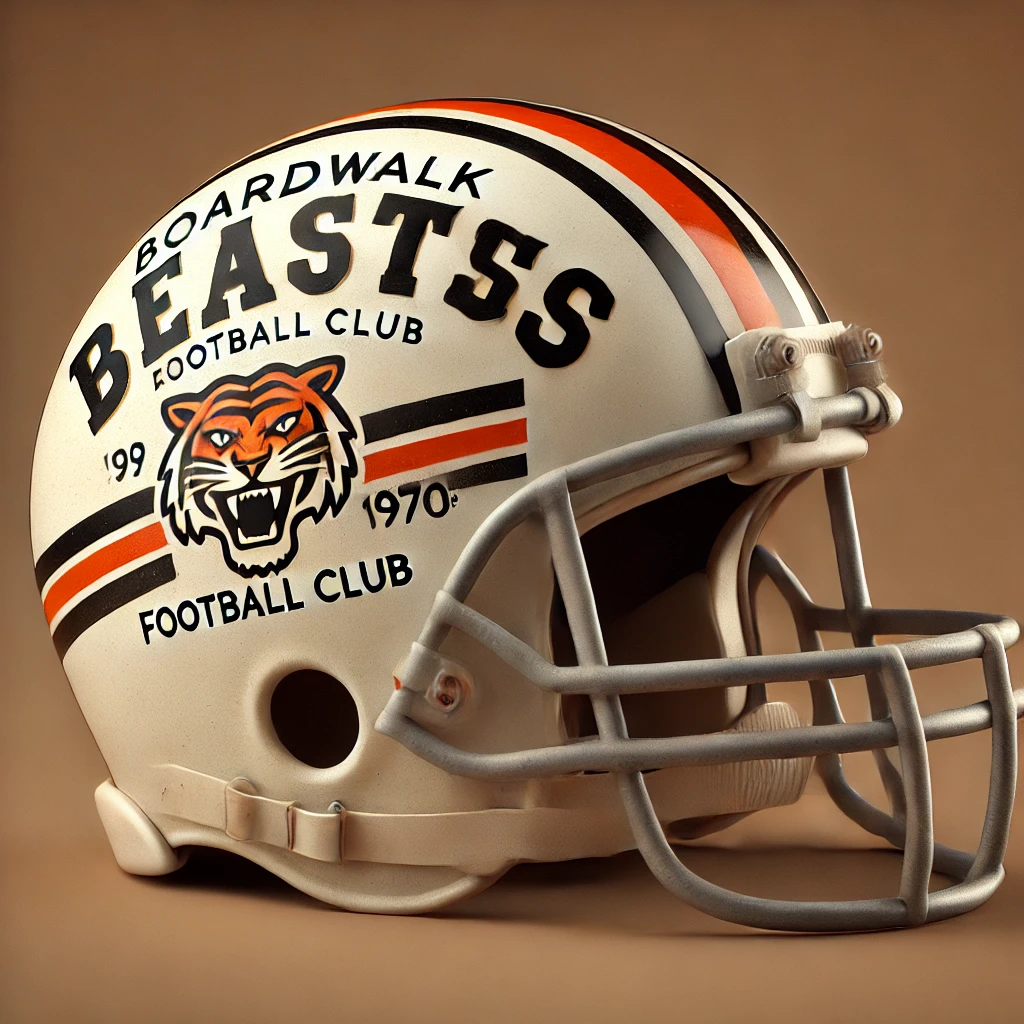
The Shift in the Tournament Landscape
For a long time, headgear was a "wear it if you want" type of deal. But the industry has reached a tipping point. Major organizations like Pylon Football have moved to mandate soft-shell headgear for all participants.
Why the change? It’s a mix of liability, common sense, and the sheer speed of the modern game. Today’s youth athletes are bigger, faster, and stronger than they were ten years ago. The speed of the game has increased the risk of those incidental collisions. Tournament directors realized that providing a safer environment isn't just good for the kids, it's necessary for the survival of the sport.
At Boardwalk Beasts, we lean into this. We want our players to play fast and fearless. You can't play fearless if you’re worried about a stray elbow or a head-to-head bump sending you to the sidelines for a month.
The Science: It’s Not Just a Piece of Foam
Some skeptics think these "helmets" are just overpriced headbands. That couldn't be further from the truth. Modern 7v7 headgear is a feat of sports engineering.
Most high-end soft-shell helmets utilize technologies like D3O® material. If you aren't familiar with it, D3O is a "non-Newtonian" fluid. In its natural state, it’s soft and flexible, which makes the headgear comfortable to wear. But upon impact, the molecules lock together instantly to disperse the energy. It literally hardens on impact and then goes back to being soft.
Furthermore, the Virginia Tech Helmet Lab, the gold standard for headgear testing, now rates non-tackle football headgear. They use a STAR evaluation system that measures linear and rotational acceleration. When you see a 4-star or 5-star rated soft-shell helmet, you’re looking at gear that has been scientifically proven to reduce the risk of concussions compared to playing "bareheaded."

Why Verified Safety Matters for Recruiting
You might be wondering what safety has to do with college recruiting. Everything. College coaches want to see athletes who are smart and durable. If you’re a high-level prospect, the last thing you want is a "concussion history" following you before you even hit your senior year.
By wearing headgear during the 7v7 season, you’re protecting your most valuable asset: your brain. You’re ensuring that you stay on the field to get the film and the verified speed data that coaches actually want to see. You can’t run a 4.4 forty if you’re sitting in a dark room recovering from an incidental collision.
Addressing the "Cool Factor" and Comfort
I get it. Athletes care about how they look. There was a time when wearing a soft-shell helmet felt a little "different." But that era is over. Look at the top recruits in the country, the 5-star guys at the Elite 11 or the top 7v7 squads, they’re all rocking the gear. It’s become part of the uniform.
Modern designs are lightweight and breathable. They don’t restrict your peripheral vision, and they don’t mess with your hearing, which is crucial for hearing play calls or the QB’s cadence. In fact, many players find that it helps keep sweat out of their eyes and keeps their hair tucked away, allowing them to focus entirely on the ball.
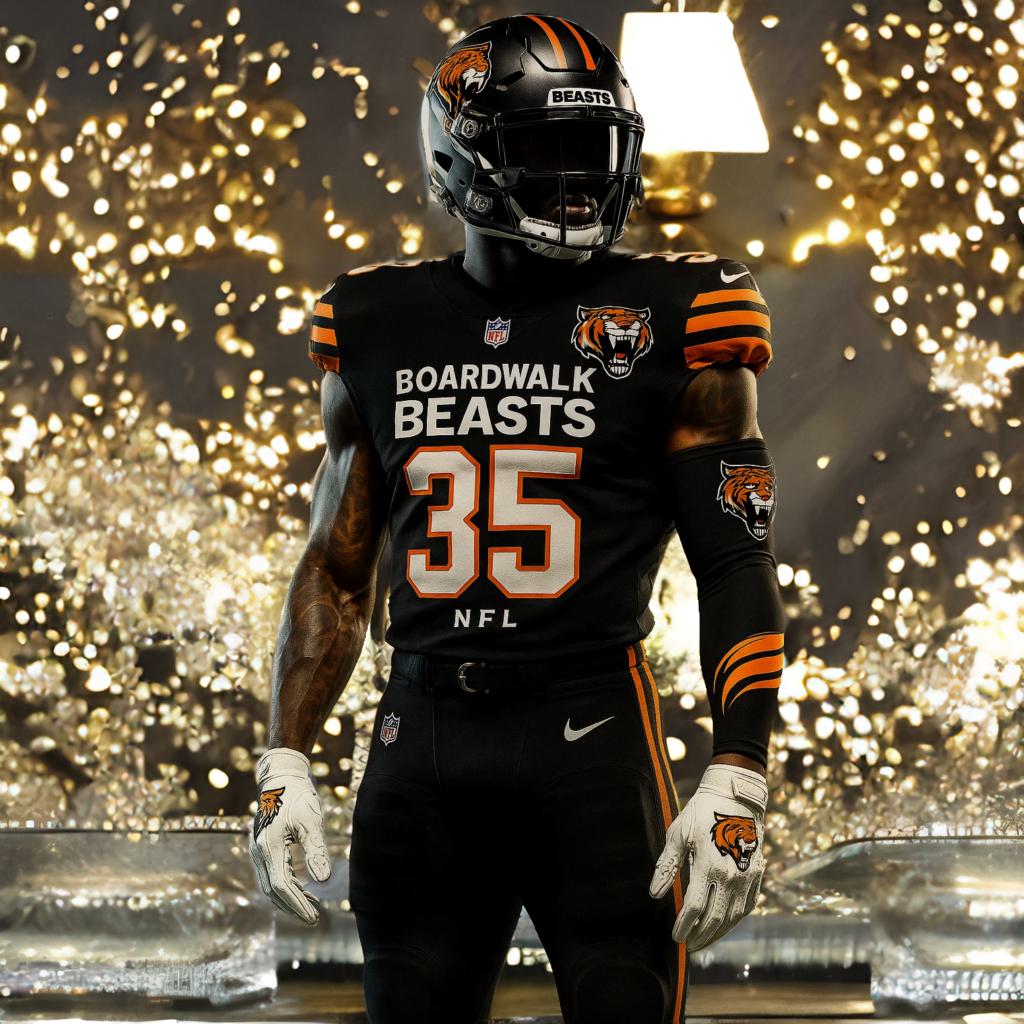
What to Look for When Buying 7v7 Headgear
If you’re ready to gear up, don't just grab the cheapest thing you find on a random website. Here’s a quick checklist for what matters:
- Virginia Tech Rating: Look for 4 or 5 stars. Don't settle for less.
- Fit: It should be snug but not tight. It shouldn't slide around when you shake your head "no."
- Coverage: Ensure it covers the temporal region (the sides of your head) and the back of the head properly.
- Brand Reputation: Stick to companies that specialize in football safety.
At Boardwalk Beasts, we recommend our players check out our branded equipment collection or trusted partners to ensure they are getting gear that actually performs under pressure.
The Bottom Line
Do you really need 7v7 headgear? If you want to play in the best tournaments, protect your future in the sport, and follow the lead of the most competitive programs in the country, the answer is a resounding yes.
The game is changing. It's faster, more athletic, and more competitive than ever. Taking a "pro" approach to safety doesn't make you less of a competitor; it makes you a smarter one. We want our Beasts to be the most physical, dominant players on the field, and that starts with being available to play every single snap.
Ready to take your game to the next level? Don’t miss out on our upcoming showcases and camps. Visit myfootballcamps.com/schedule to find an event near you, and check out boardwalkbeastsfb.com to learn more about our club teams and recruiting programs. Let’s get to work!
Sonny, I’ve finished the piece on 7v7 headgear safety. Please get this live on the blog and share the link on our socials so the parents are up to speed for the spring circuit!
About Author
