Are You Making These Common Football Equipment Mistakes?
Getting your football equipment right isn't just about looking good on the field: it's about performance, safety, and giving yourself every advantage possible. Yet every season, we see talented young athletes making the same preventable mistakes that hold them back or put them at risk.
At Boardwalk Beasts, we've worked with hundreds of players who thought they had their gear dialed in, only to discover they were making critical errors that affected their game. Don't let equipment mistakes be the reason you're not performing at your peak.
The Universal Sizing Myth That's Costing You
Here's a reality check: that Medium jersey that fits perfectly from one brand? It might be completely wrong from another manufacturer. One of the biggest mistakes players and parents make is assuming that sizes like M, L, and XL mean the same thing across different equipment makers.
Football equipment sizing varies dramatically between brands. What Nike calls a Large might fit like an Under Armour Medium. This isn't just inconvenient: it's dangerous when we're talking about protective gear.
The fix: Always check the manufacturer's specific size chart. Take accurate measurements of your waist, hips, chest, and head circumference. Write these numbers down and refer to them every time you buy new equipment. Don't guess, don't assume, and don't rely on what size you wore last season from a different brand.
Your Helmet Doesn't Fit (And You Don't Even Know It)
A properly fitting helmet requires precise head circumference measurement, yet most players just grab whatever feels "about right" in the store. This is potentially the most dangerous equipment mistake you can make.
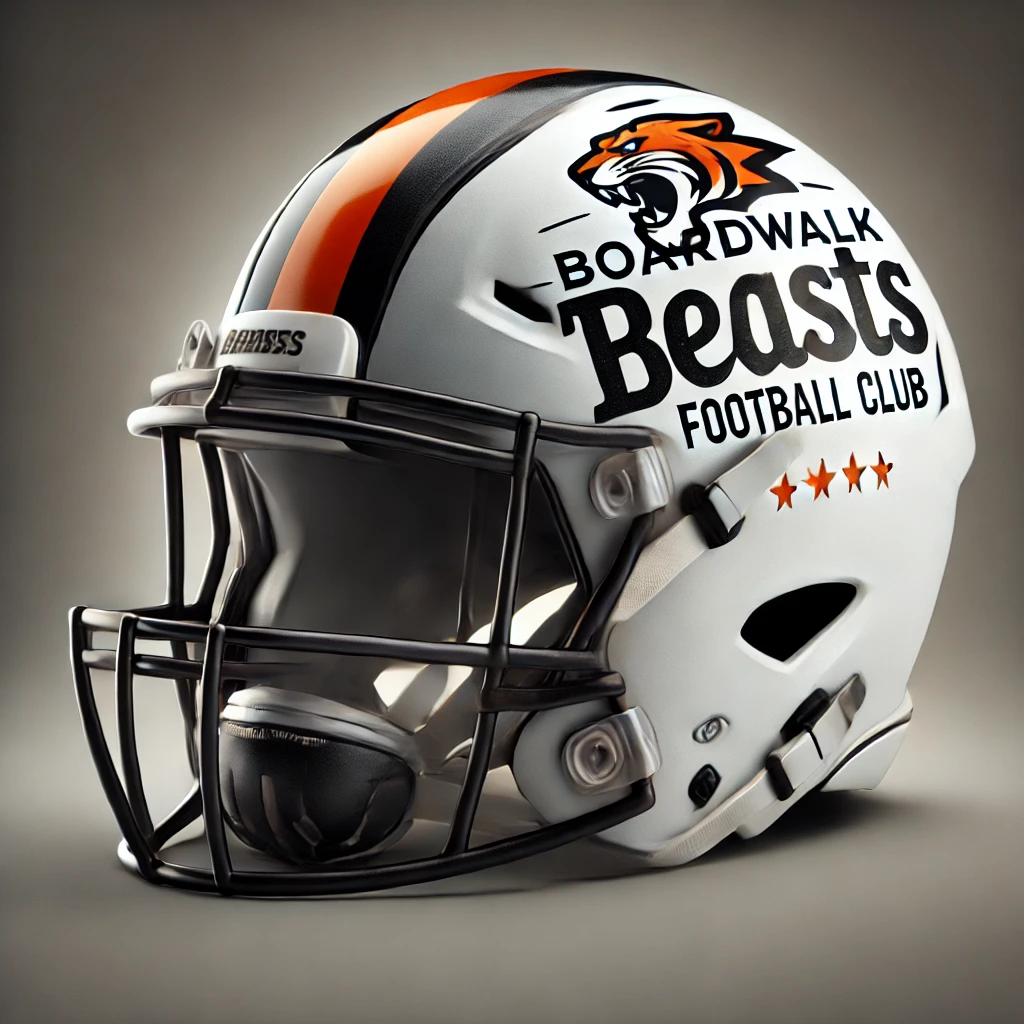
Your helmet should sit level on your head, about one inch above your eyebrows. When properly fitted, you shouldn't be able to slide it forward, backward, or side to side. If you can fit more than one finger between the helmet and your forehead, it's too big. If it's leaving pressure marks after practice, it's too small or positioned incorrectly.
The reality check: A helmet that doesn't fit properly can't protect you properly. Period. It doesn't matter how expensive it was or how cool it looks: if it's not fitted correctly, it's not doing its job.
The Football Cleat Confusion
Football cleats are cut much narrower than your everyday sneakers, but most players order their regular shoe size without accounting for this difference. This leads to cramped feet, blisters, and reduced performance when you need to cut, pivot, and accelerate.
Additionally, different cleat types serve different purposes. Molded cleats work great for most field conditions, but detachable cleats give you options for varying field surfaces and weather conditions. Many players stick with one type all season instead of adapting to conditions.
Pro tip: Try on cleats later in the day when your feet are slightly swollen (like they'll be during games). Bring the socks you'll actually wear during competition. Your cleats should feel snug but not tight, with about a thumb's width of space between your longest toe and the front of the shoe.
Equipment Maintenance Mistakes That Kill Performance
Even the best equipment becomes worthless if you don't maintain it properly. These maintenance mistakes are epidemic among youth players:
Washing mistakes: Using hot water or throwing your gear in the dryer destroys protective padding and fabric integrity. Perspiration buildup doesn't just smell bad: it actually breaks down materials over time.
Storage disasters: Cramming wet, sweaty gear into a gym bag creates the perfect environment for bacteria growth and material degradation. Your equipment needs to dry out completely between uses.
Ignoring damage: Small tears and loose stitching become big problems fast when you're hitting and being hit. That "minor" separation in your shoulder pad strap could fail at the worst possible moment.
The maintenance routine that works: Rinse equipment in cool water immediately after practice. Use sports-specific cleaners designed for football gear. Air dry everything completely before storing. Inspect your gear weekly for damage and address issues immediately.
The Girdle and Padding Mistakes Hurting Your Game
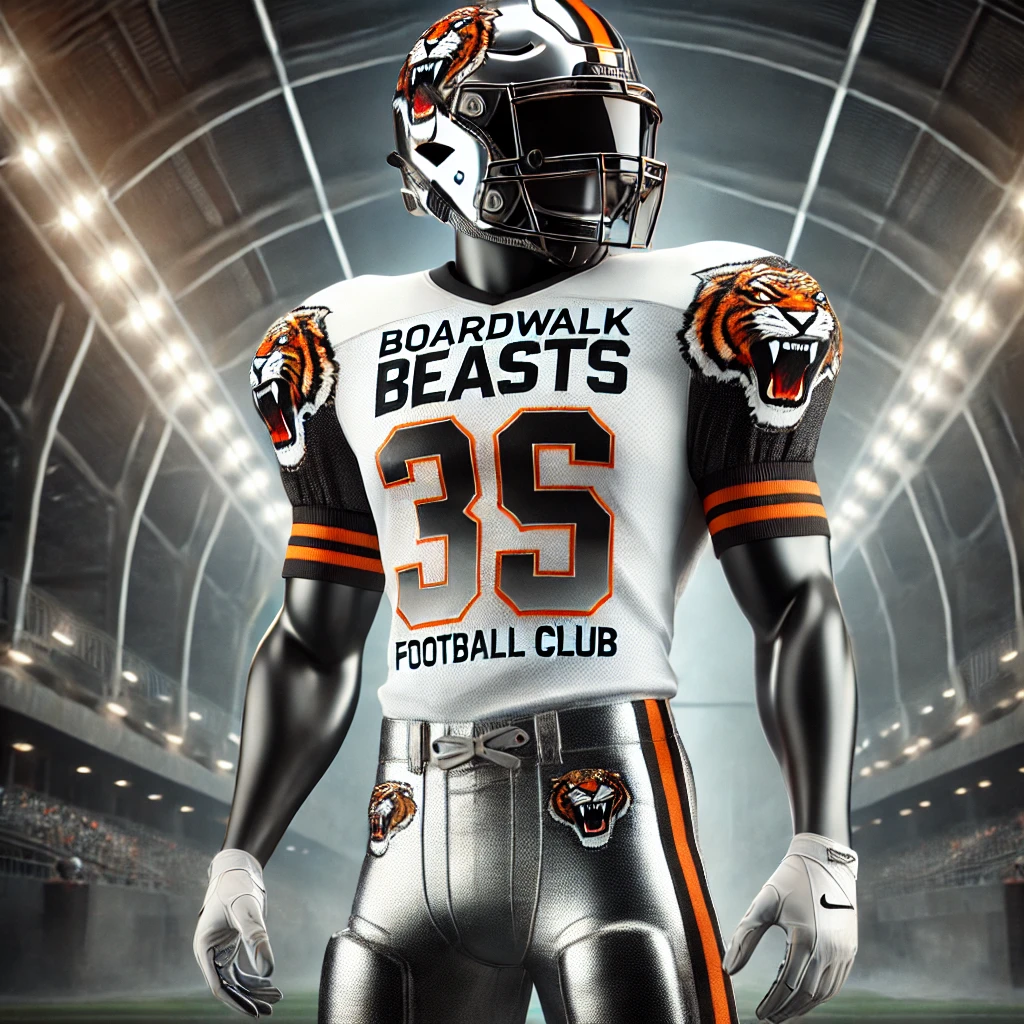
Football girdles and integrated padding systems should feel like a second skin, but most players get this completely wrong. An improperly fitted girdle can impair your movement and increase injury risk instead of providing protection.
Your girdle should be snug without being restrictive. You should be able to move naturally in all directions without the padding shifting or bunching up. The hip and thigh pads should align with your actual hip and thigh bones, not just sit wherever they land.
Common girdle mistakes:
- Buying based on waist size alone instead of hip measurements
- Choosing thick padding thinking more is always better
- Ignoring how the girdle fits with your other gear
- Not considering the length for your torso
Performance Equipment Misconceptions
Many players and parents fall for equipment myths that actually hurt performance:
Myth 1: More expensive always means better. Reality check: equipment needs to fit your body, playing style, and position. A $300 helmet that doesn't fit properly is worse than a $150 helmet that fits perfectly.
Myth 2: Heavier equipment provides better protection. Modern equipment is designed to be both protective and lightweight. Unnecessary weight slows you down and increases fatigue.
Myth 3: Breaking in equipment makes it better. Quality equipment should be comfortable from day one. If you're "breaking in" protective gear, it probably doesn't fit correctly.
Position-Specific Equipment Errors
Different positions have different equipment needs, but many players use a one-size-fits-all approach:
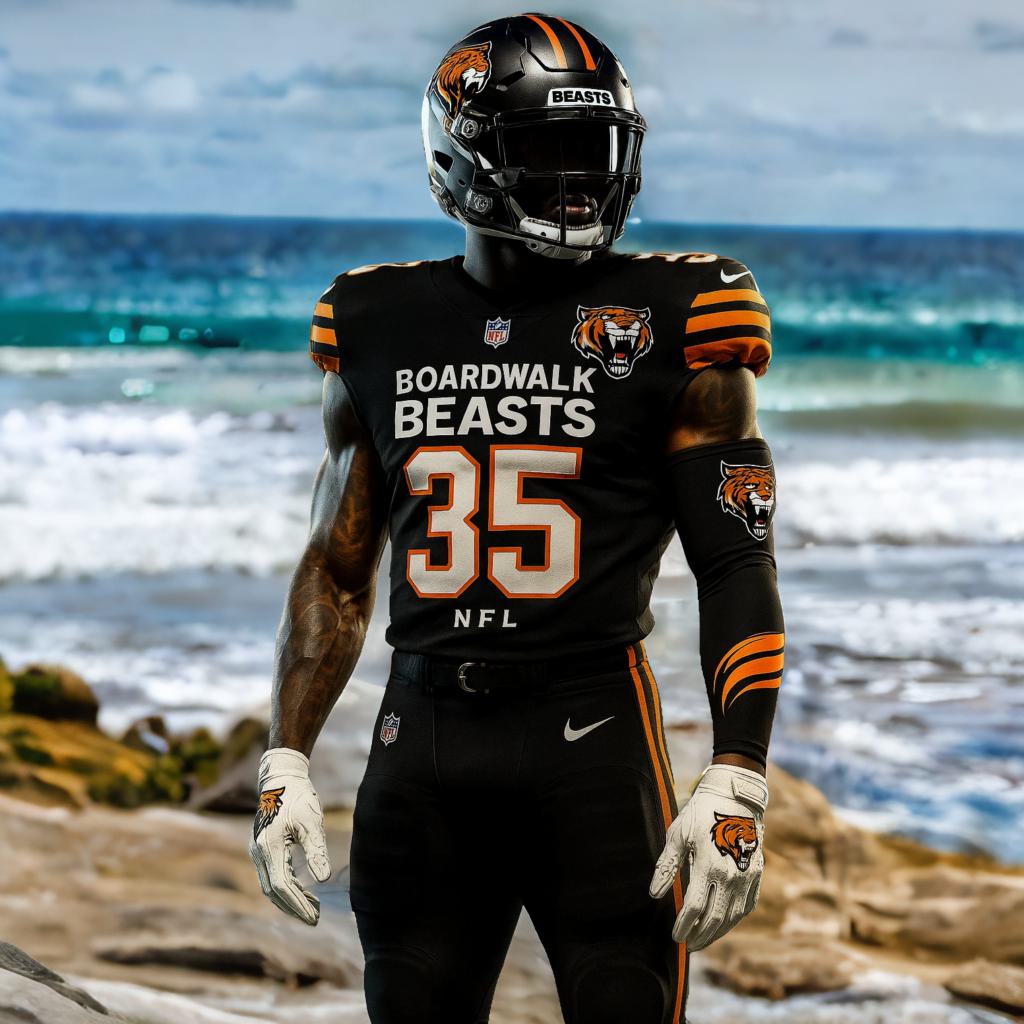
Linemen need maximum protection and durability but often sacrifice mobility for bulk. Skill position players need equipment that allows maximum range of motion but often go too light on protection. Linebackers and defensive backs need equipment that balances protection with mobility but often choose gear designed for other positions.
Position-specific considerations:
- Linemen: Focus on shoulder pad coverage and knee protection
- Running backs: Prioritize hip and rib protection without restricting movement
- Receivers: Balance hand mobility with finger protection
- Defensive backs: Emphasize equipment that allows quick direction changes
The Safety Equipment You're Probably Skipping
Many players focus on the obvious protective gear but skip equipment that could prevent common injuries:
Mouthguards: Custom-fitted mouthguards provide significantly better protection than generic options, yet most players use whatever's cheapest.
Rib protection: Rib and back plates can prevent serious injuries but are often considered "optional" until after an injury occurs.
Knee braces: Preventive knee braces can save your season, but many players wait until they're already injured to consider them.
Making Equipment Work for Your Game
Your equipment should enhance your natural abilities, not fight against them. Fast players need gear that doesn't slow them down. Physical players need equipment that can handle contact. Every piece of your equipment should serve a purpose and complement your playing style.
Equipment optimization checklist:
- Does this piece help me perform my role better?
- Is it properly fitted for my body type?
- Does it integrate well with my other gear?
- Can I maintain it properly throughout the season?
- Will it hold up to my style of play?
The bottom line: equipment mistakes are performance killers and safety hazards that are completely preventable. Take the time to get your gear right, maintain it properly, and replace it when needed. Your equipment is an investment in your football future: treat it that way.
At Boardwalk Beasts, we see the difference proper equipment makes in player development and safety. Don't let preventable equipment mistakes hold you back from reaching your potential on the field.
About Author
