
How to Get Recruited for High School Football: The Middle School Athlete's Guide to Showcases and 7v7 Tournaments
The high school football recruiting game has changed dramatically. What used to start junior year now begins in middle school: sometimes even earlier. If your young athlete has serious football aspirations, waiting until high school to think about recruiting is like showing up to the game after halftime.
The reality? Top high school programs are identifying and targeting eighth and ninth-grade talent. Elite athletes are getting noticed as early as seventh grade. This isn't about putting unrealistic pressure on kids: it's about understanding the landscape and positioning your athlete for success when opportunities arise.
Here's what every parent and middle school athlete needs to know about showcases, 7v7 tournaments, and building a recruiting presence that gets results.
The New Reality of High School Football Recruiting
High school football recruiting has become increasingly competitive and starts much earlier than most parents realize. While college recruiting gets the headlines, the battle for spots on elite high school teams: especially in competitive states: begins in middle school.
Top high school programs don't just wait for talented players to walk through their doors. They're actively scouting middle school games, tracking youth league standouts, and building relationships with promising athletes years before they set foot on a high school campus.

This early identification process means middle school athletes who want to compete at the highest level need to be on coaches' radars before their freshman year. The good news? There are specific, proven ways to get that visibility.
Why 7v7 Tournaments Are Game Changers
Seven-on-seven football has exploded in popularity: and for good reason. These tournaments strip away the complexity of 11-man football to focus purely on skill positions: quarterbacks, receivers, defensive backs, and linebacker coverage.
For middle school athletes, 7v7 tournaments offer several crucial advantages:
Year-Round Visibility: Unlike traditional football seasons, 7v7 runs throughout the year, giving athletes multiple opportunities to showcase their abilities.
Skills-Based Evaluation: Coaches can evaluate players based purely on athleticism, route-running, coverage skills, and football IQ without the variables of blocking schemes or run games.
Competitive Environment: The best 7v7 tournaments attract elite talent from wide geographic areas, providing both high-level competition and exposure to college and high school scouts.
Position-Specific Development: Players get intensive work at their positions with immediate feedback and coaching.
Smart middle school athletes should target 2-3 high-quality 7v7 tournaments per year rather than trying to play in every available event. Quality over quantity wins in the recruiting game.
Strategic Showcase Participation
Football showcases and camps serve different purposes than 7v7 tournaments but are equally important for recruiting success. Here's how to approach them strategically:
Timing Matters: The best showcases happen during high school coaches' evaluation periods. Spring and early summer showcases typically draw the most coaching attention.
Regional vs. National Events: For most middle school athletes, strong regional showcases provide better value than expensive national events. You're more likely to connect with coaches from schools you could realistically attend.
Camp Types to Consider:
- Position-specific camps for skill development
- Exposure camps for recruiting visibility
- Elite invitation-only events for top-tier athletes
- College campus camps hosted by high school coaching staffs
Preparation is Everything: Showing up unprepared to a showcase is worse than not attending at all. Athletes should arrive in peak physical condition, know their measurables (40-time, vertical jump, etc.), and understand what coaches will be evaluating.
Building Your Digital Recruiting Profile
Today's recruiting happens as much online as it does on the field. Middle school athletes need a strong digital presence that showcases their abilities and character to coaches who may never see them play in person.
Essential Components:
Highlight Video: Keep it short (2-3 minutes maximum), start with your best plays, and include game situations that show football IQ. Update it regularly with fresh footage.
Academic Profile: Grades matter: sometimes more than athletic ability. Maintain strong academics and document your progress.
Athletic Measurables: Track your development in key metrics like 40-yard dash, vertical jump, bench press, and position-specific drills.
Character Documentation: Community service, leadership roles, and team awards help differentiate you from other talented athletes.
Social Media Management: Coaches will check your social media. Keep it professional, positive, and focused on your football journey.
Common Recruiting Mistakes That Kill Opportunities
Even talented athletes can derail their recruiting prospects with preventable mistakes. Here are the biggest ones to avoid:
Playing Too Many Sports: While being a multi-sport athlete has benefits, serious football recruiting requires year-round commitment to skill development. Make strategic choices about which sports support your football goals.
Ignoring Academic Requirements: Athletic ability might get you noticed, but grades determine whether you can actually attend the schools that want you.
Poor Communication with Coaches: Not responding promptly to coach contacts, failing to follow up after camps, or showing up unprepared for conversations kills recruiting momentum.
Overestimating Your Current Level: Be realistic about where you currently stand and focus on continuous improvement rather than expecting immediate offers.
Neglecting Character Development: Coaches recruit people, not just players. Attitude, work ethic, and leadership matter as much as physical ability.
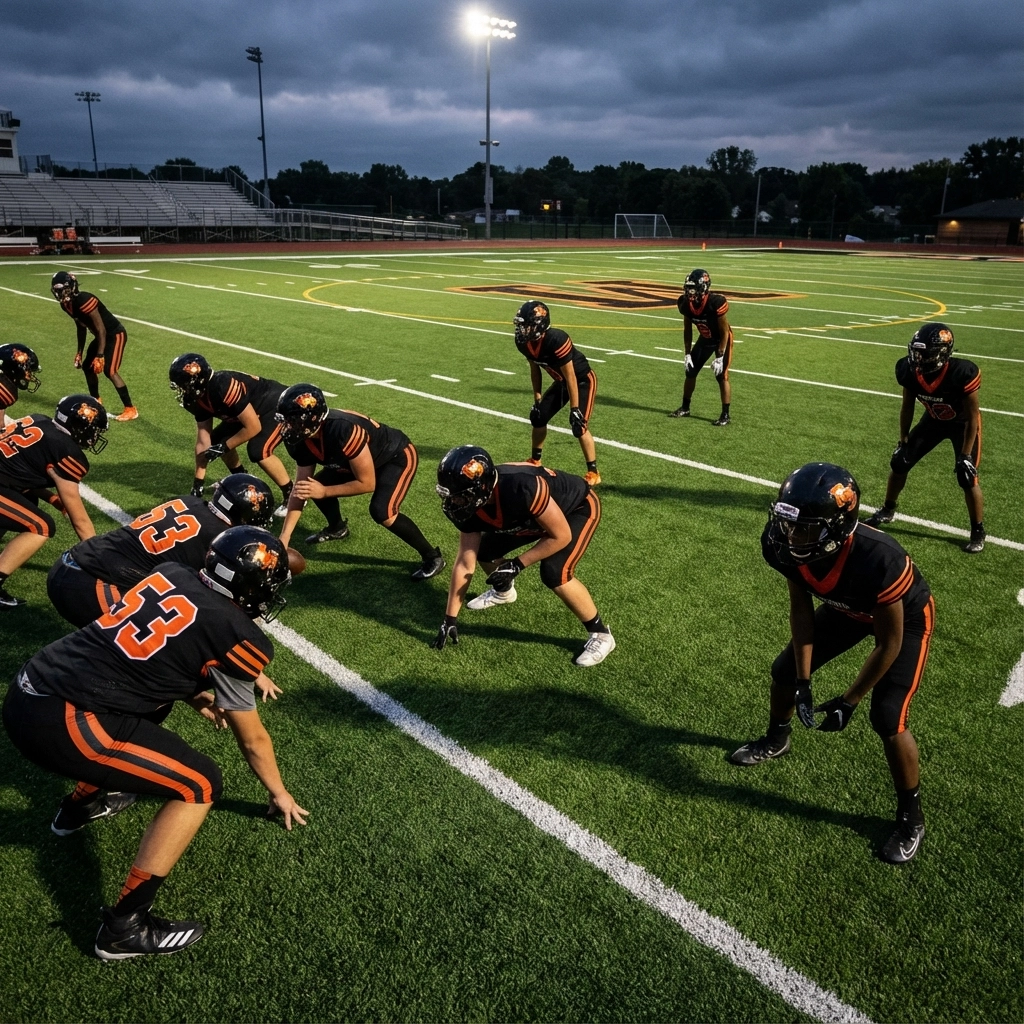
How Elite Programs Like Boardwalk Beasts Provide a Competitive Edge
Quality youth football programs serve as bridges between recreational youth sports and high-level high school competition. Programs like Boardwalk Beasts offer several advantages for serious middle school athletes:
Professional Coaching: Experienced coaches who understand the recruiting process and maintain relationships with high school programs.
Structured Development: Progressive training systems that build skills methodically over time rather than randomly.
Competitive Scheduling: Games and tournaments against other elite programs that provide legitimate evaluation opportunities.
Recruiting Guidance: Help navigating the showcase circuit, building recruiting profiles, and connecting with appropriate high school programs.
Network Access: Established relationships with high school coaches and college programs that can open doors for talented athletes.
The investment in a quality program often pays dividends through improved development, strategic recruiting guidance, and access to opportunities that individual athletes can't secure on their own.
Creating Your Action Plan
Success in football recruiting requires intentional planning and consistent execution. Here's your step-by-step approach:
Assess Current Standing: Honestly evaluate your athlete's current skill level, physical development, and academic standing. Identify specific areas for improvement.
Set Realistic Goals: Define target high school programs and work backward to determine what needs to happen for your athlete to be competitive for those opportunities.
Build Your Team: Identify quality coaching, training partners, and mentors who can support your athlete's development.
Plan Your Exposure Strategy: Select 2-3 high-quality showcases or tournaments per year based on your goals and budget. Quality beats quantity every time.
Document Everything: Keep detailed records of your athlete's development, including video, statistics, and feedback from coaches.
Stay Flexible: The recruiting landscape changes rapidly. Be prepared to adjust your approach based on your athlete's development and new opportunities.
The Bottom Line
High school football recruiting for middle school athletes isn't about putting unrealistic pressure on kids or sacrificing childhood for sports. It's about understanding the current landscape and positioning talented, dedicated athletes for success when opportunities arise.
The athletes who thrive in this environment are those who genuinely love football, demonstrate consistent work ethic, and have families committed to supporting their development both athletically and academically.
Start early, be strategic, stay focused on development over outcomes, and remember that the goal isn't just to get recruited: it's to find the right fit where your athlete can continue growing as both a player and a person.
The window for high school recruiting opens earlier than ever before. Make sure your athlete is ready when opportunity knocks.
About Author
