
Winter Training Camps vs. Year-Round Development: Which Gives Youth Football Athletes the Edge?
Ready to give your young athlete the competitive edge? Visit myfootballcamps.com to explore elite training programs, or check out boardwalkbeastsfb.com for championship-level youth football development.
Every December, parents face the same critical decision: invest in intensive winter training camps or commit to a year-round development program? With college recruiting more competitive than ever and high school spots getting harder to secure, this choice could determine your child's football future.
The truth is brutal: most youth athletes plateau because their parents pick the wrong development strategy. While other kids are gaining ground, your athlete could be spinning wheels in programs that look impressive but deliver mediocre results.
Let's break down which approach actually builds elite players and gets them noticed by the coaches who matter.
The Winter Training Camp Advantage: Intensive, Focused Development
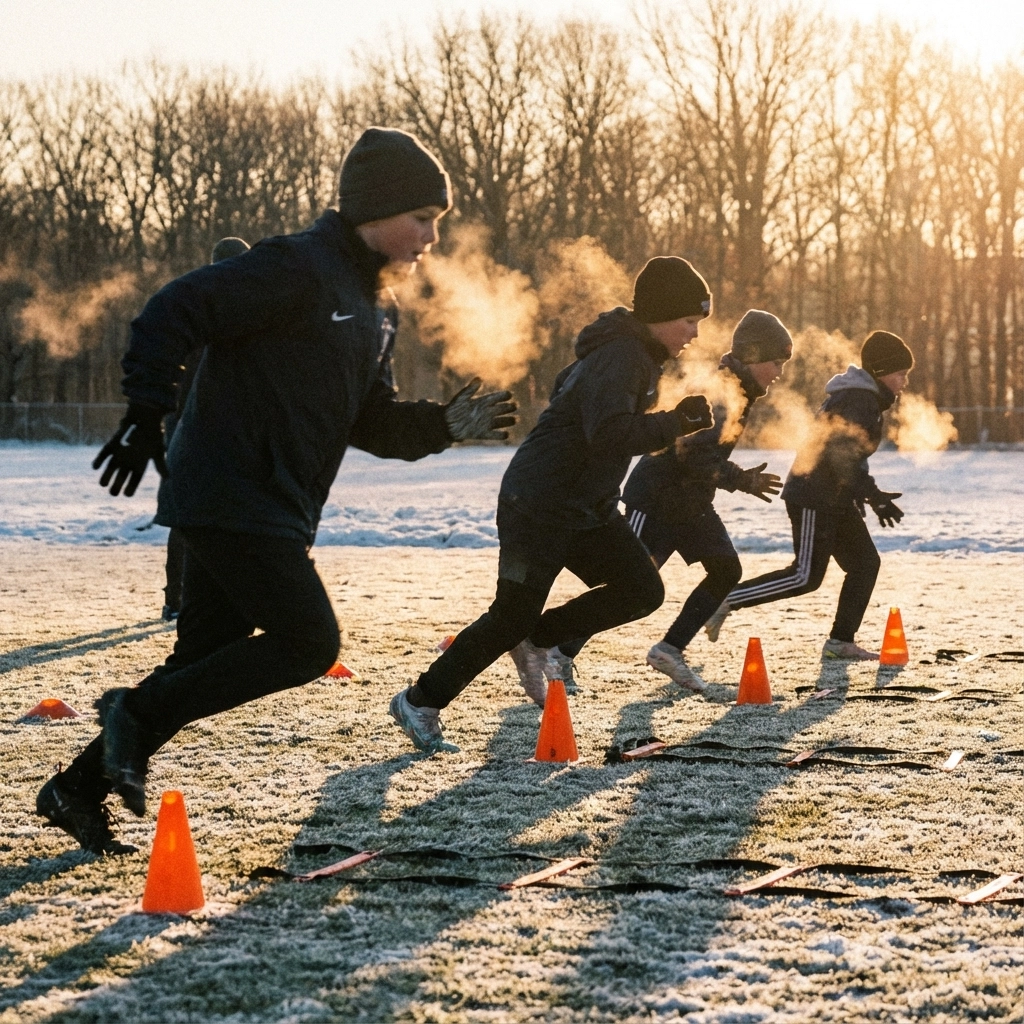
Winter training camps operate on a simple principle: concentrated, high-intensity skill development when most athletes are taking breaks. While competitors are sitting on couches playing video games, your athlete is sharpening technique, building strength, and developing the mental toughness that separates good players from great ones.
Technical Mastery Under Pressure
Winter camps excel at drilling specific skills until they become automatic. With 3-4 weeks of focused training, players can master footwork patterns, route running, and position-specific techniques that take months to develop during regular season practice. The concentrated format forces rapid improvement: there's no time for casual effort.
Physical Conditioning When It Counts
The off-season is when champions are made. Winter camps build the strength, speed, and endurance foundation that shows up in August when everyone else is struggling to get back in shape. Players enter spring practice already ahead of the curve, not playing catch-up.
Competition Exposure and Mental Toughness
Elite winter camps bring together top talent from multiple regions. Your athlete faces competition they've never seen, learns to perform under pressure, and develops the confidence that comes from holding their own against the best players in their age group.
The Limitation: Burnout Risk
The intensity that makes winter camps effective can also break down athletes who aren't mentally prepared. Some players need recovery time, not more pressure. Parents need to honestly assess their child's mental state and physical readiness before committing to high-intensity winter training.
Year-Round Development: Building Champions Through Consistency
Year-round programs take a different approach: steady, consistent skill building that compounds over time. Instead of intense bursts, these programs focus on gradual improvement across all aspects of the game while preventing overuse injuries and mental burnout.
Comprehensive Skill Development
Year-round programs address every aspect of player development: technical skills, tactical understanding, physical conditioning, and mental preparation. Instead of cramming everything into a few weeks, athletes have time to properly absorb and integrate new concepts.
Injury Prevention and Longevity
Smart year-round programs build in recovery periods and cross-training that reduces injury risk. Athletes develop balanced strength, flexibility, and movement patterns that keep them healthy through high school and beyond.
Consistent Coaching Relationships
Long-term programs allow coaches to truly understand each player's strengths, weaknesses, and learning style. This personalized approach accelerates development in ways that short-term camps simply can't match.
The Limitation: Maintaining Intensity
The biggest risk with year-round programs is complacency. Without the urgency of short-term goals, some athletes and coaches drift into maintenance mode instead of pushing for constant improvement.
Which Approach Gets Players Recruited?
Here's what college and high school coaches actually notice: consistent excellence over time, not flash-in-the-pan performances.
Recruiters want to see game film from multiple seasons showing steady improvement. They want athletes who perform at high levels consistently, not just during showcases. This gives year-round development a significant edge in the recruiting game.
However, winter camps provide crucial exposure opportunities. Elite camps bring together top coaches and scouts who might never see your athlete otherwise. The key is using winter camps strategically: as showcases for skills developed through year-round training, not as the primary development vehicle.
The Recruiting Reality Check
Neither approach guarantees recruitment. What matters is whether your athlete is developing the skills, character, and game intelligence that coaches value. The best recruiting strategy combines consistent skill development with strategic exposure opportunities.
What Parents Need to Consider
Your Child's Learning Style
Some athletes thrive under intense pressure and respond well to short-term, high-intensity challenges. Others need time to process and integrate new skills gradually. Observe how your child responds to different training environments before making long-term commitments.
Family Schedule and Resources
Year-round programs require consistent time and financial commitment throughout the year. Winter camps demand intense involvement for shorter periods. Consider which approach fits your family's lifestyle and budget reality.

Long-Term Goals
Are you trying to develop a well-rounded athlete who loves the game, or building a future college recruit? Different goals require different approaches. Be honest about your objectives and choose accordingly.
Current Skill Level
Beginning players often benefit more from year-round development to build fundamental skills. Advanced athletes might gain more from intensive camps that challenge them against elite competition.
Best Practices for Maximizing Development
Combine Both Approaches Strategically
The most successful development paths often combine year-round base training with strategic winter intensives. Use year-round programs to build fundamental skills and fitness, then leverage winter camps for skill refinement and competition exposure.
Focus on Skill Transfer
Whatever approach you choose, ensure training translates to game performance. Too many programs teach skills in isolation without connecting them to real game situations.
Prioritize Recovery and Mental Health
Elite development requires elite recovery. Whether you choose intensive camps or year-round training, build in proper rest periods and monitor your athlete's mental state.
Track Progress Objectively
Use measurable metrics to evaluate development: 40-yard dash times, vertical jump height, completion percentages, etc. Subjective feelings about improvement can be misleading.

The Bottom Line: Success Depends on Execution
Both winter camps and year-round development can produce elite athletes: if executed properly. The key is matching the approach to your athlete's needs, learning style, and long-term goals.
Winter camps work best for mentally tough athletes who thrive under pressure and need intensive skill refinement. Year-round programs benefit athletes who need consistent guidance and gradual skill building.
The worst choice is doing nothing or constantly switching between approaches without giving either one time to work.
Your next move matters. Elite programs like those at myfootballcamps.com and boardwalkbeastsfb.com can help you evaluate your options and create a development path that actually gets results. Don't let another season pass while your athlete's competitors gain ground: take action now.
The clock is ticking on your child's football development window. Choose wisely, commit fully, and watch them dominate.
About Author
