
Why Everyone Is Talking About Flag Football Olympics 2028 (And You Should Too)
The football world just got turned upside down, and if you haven't heard the news yet, you're about to understand why every youth coach, parent, and athlete is buzzing with excitement. Flag football is officially heading to the 2028 Los Angeles Olympics – and this isn't just another sports headline. This is a game-changer that's going to reshape everything we know about youth football opportunities.
For the first time in Olympic history, American football in any form will be represented on the world's biggest athletic stage. But here's the kicker – it's flag football, not tackle, that's making this historic debut. And trust us, there's a reason everyone from NFL commissioners to youth league parents are calling this the most significant development in football since the forward pass was legalized.
This Changes Everything for Youth Athletes
Let's cut straight to what matters most: your athlete just gained access to a pathway that didn't exist six months ago. We're talking about a direct route to Olympic competition that bypasses traditional barriers and opens doors for athletes who might never have dreamed of wearing Team USA across their chest.
Here's what makes this revolutionary: flag football doesn't discriminate based on size, strength, or traditional football stereotypes. Your 5'8" quarterback who gets overlooked in tackle football? They could be the next Olympic gold medalist. Your daughter who dominates in flag leagues but couldn't find a path forward? She now has separate men's and women's Olympic competitions waiting for her.
The sport focuses on speed, agility, strategy, and decision-making – skills that translate directly to college recruitment and beyond. Suddenly, those hours spent perfecting route-running and defensive reads aren't just preparation for high school tryouts; they're training for potential Olympic glory.

The Recruitment Landscape Just Shifted
College recruiters are already adjusting their playbooks. When flag football becomes an Olympic sport, it automatically gains legitimacy and visibility that will trickle down through every level of competition. Universities are going to start paying attention to flag football athletes in ways they never have before.
Think about it: Olympic sports get scholarship money, media coverage, and institutional support. Your flag football standout is no longer just a "different" type of athlete – they're following an Olympic pathway. College coaches who might have dismissed flag football experience are now going to see it as valuable training for decision-making, spatial awareness, and competitive mental toughness.
This is especially huge for female athletes. Women's flag football is experiencing explosive growth, and with Olympic competition on the horizon, colleges are going to start investing in programs that develop these athletes. We're looking at scholarship opportunities that simply didn't exist before 2024.
At Boardwalk Beasts, we've always believed in developing complete athletes, and our recruiting programs are already incorporating this Olympic pathway into our development strategy.
NFL Players Are Getting Involved
Here's where things get really interesting: the NFL has unanimously approved allowing NFL players to participate in Olympic flag football. We're talking about elite professional athletes competing alongside emerging talent on the Olympic stage.
This means your youth athlete isn't just training for college opportunities – they're potentially preparing to compete at the same level as NFL stars. The legitimacy this brings to flag football cannot be overstated. When Russell Wilson or Lamar Jackson could theoretically be running routes in Olympic competition, every parent and coach needs to pay attention.
The NFL's involvement also means resources, coaching expertise, and development programs are going to flow into flag football at unprecedented levels. Youth programs that position themselves correctly are going to benefit from this institutional support.

What Parents Need to Know Right Now
If your child plays flag football, you're sitting on something valuable. If they don't play flag football yet, you need to understand what you might be missing.
Flag football develops football IQ faster than tackle football because there's less time spent on blocking schemes and more time spent on reading defenses, running precise routes, and making split-second decisions. These are the skills that translate to success at higher levels, whether that's high school tackle football, college competition, or now Olympic flag football.
The sport is also safer, more accessible, and requires less equipment investment than tackle football. Your athlete can focus on developing skills without the injury concerns that keep many parents up at night. This accessibility is exactly why the International Olympic Committee chose flag football over tackle football for Olympic inclusion.
Here's the competitive advantage: while other parents are still figuring out what this Olympic announcement means, you can get your athlete involved in quality flag football programs now. The athletes who are already developing their flag football skills when Olympic training programs launch will have a significant head start.
Coaches Are Scrambling to Adapt
Youth football coaches who aren't incorporating flag football elements into their programs are going to get left behind. The skills that make great flag football players – route precision, defensive anticipation, quick decision-making – are the same skills that make great football players at any level.
Smart coaches are already adjusting their training methods to include more flag football concepts. They're teaching defensive backs to play coverage without relying on physical contact. They're training receivers to create separation through route-running rather than physicality. They're developing quarterbacks who can read defenses and make accurate throws under pressure.
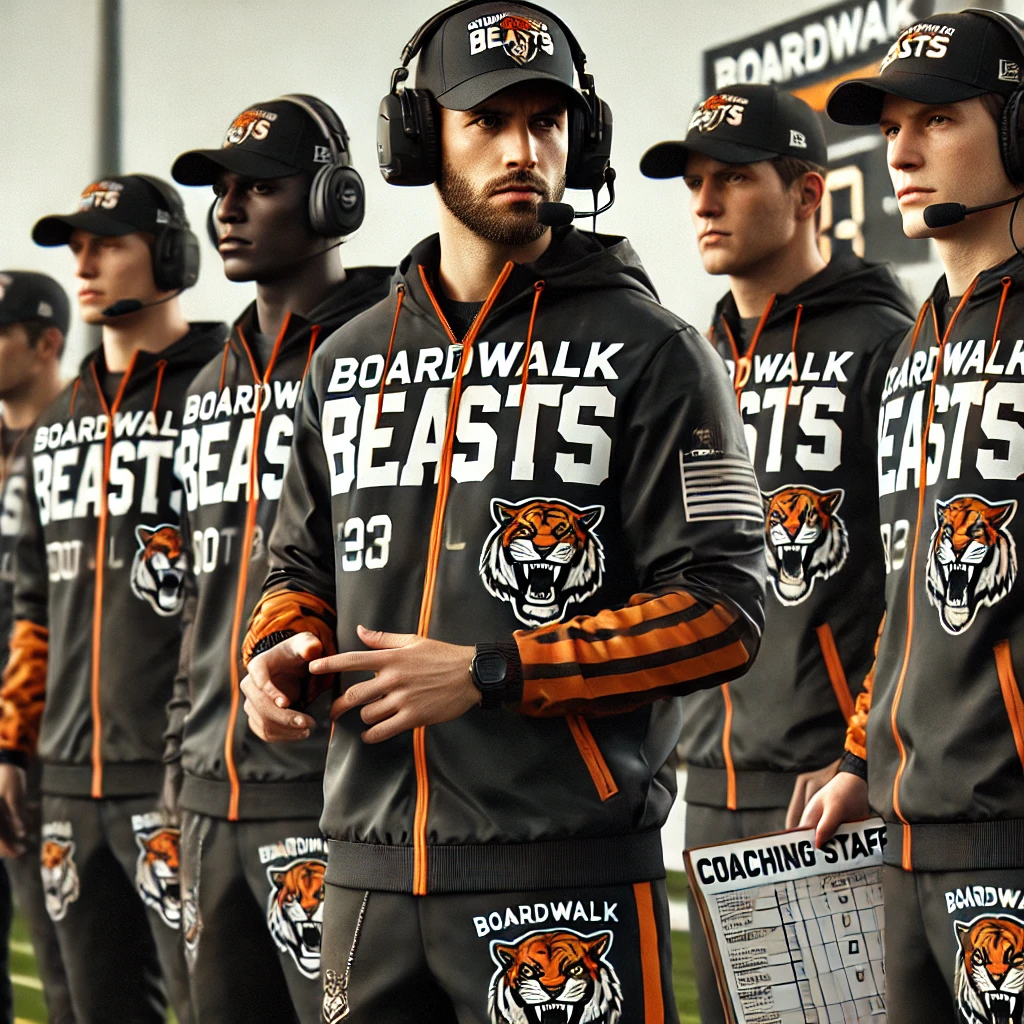
At Boardwalk Beasts, our coaching staff has been incorporating flag football principles into our training for years. Our summer flag football programs aren't just fun alternatives to tackle football – they're legitimate development pathways that now lead to Olympic possibilities.

The Global Competition Factor
Don't underestimate what Olympic inclusion means for competition level. Flag football is exploding internationally, with organized leagues and national teams developing across every continent. The 2028 Olympics will feature the best flag football athletes from around the world, not just American players who happen to be good at flag football.
This international competition is going to push the sport to new levels of athleticism and strategy. Your young athlete isn't just competing against kids from their city or state anymore – they're potentially training to compete against the world's best. That kind of competitive environment breeds excellence in ways regional competition never can.
The exposure from Olympic coverage will also introduce flag football to audiences who have never seen high-level competition. Imagine the viewership of Olympic flag football compared to current flag football leagues. We're talking about millions of viewers discovering that flag football is fast, strategic, and incredibly entertaining.
Getting Your Athlete Ready
The time to act is now, not in three years when everyone realizes what's happening. Quality flag football programs are going to fill up as more parents and athletes understand the Olympic pathway opportunity.
Look for programs that emphasize skill development over just having fun. Your athlete needs to learn proper route-running, defensive positioning, and game strategy. They need to understand how to create separation without physical contact and how to make decisions quickly under pressure.
Seek out coaches who understand both flag and tackle football, because the crossover skills are enormous. The best flag football players often make the best tackle football players because they've developed superior field awareness and decision-making abilities.
Consider the competitive level of the leagues and tournaments available in your area. Olympic-caliber athletes don't develop in recreational leagues – they need consistent competition against other serious athletes.
The Bottom Line
Flag football's Olympic inclusion isn't just a nice story about sport expansion – it's a fundamental shift that creates new opportunities for youth athletes, changes college recruitment dynamics, and establishes legitimate pathways to elite competition that didn't exist before.
Your athlete's flag football experience is no longer just preparation for tackle football or a fun alternative during the off-season. It's now training for potential Olympic competition, college recruitment opportunities, and a sport that's about to receive unprecedented attention and resources.
The athletes who get serious about flag football development now, while the sport is still building its Olympic infrastructure, will be positioned perfectly when those Olympic training programs and selection processes begin. Don't wait for everyone else to figure out what you already know – flag football just became a legitimate pathway to athletic glory, and the time to get involved is right now.
The 2028 Olympics are closer than you think, and the athletes who will compete in that inaugural flag football tournament are training somewhere today. The question is: will your athlete be one of them?
About Author
