
The QB Market: Tracking the 2,000-Yard Arms in the Portal (Feb 12 Update)
The January transfer portal window has officially closed, and the dust is starting to settle. For the first time in years, there's no spring safety net, the NCAA eliminated the second window, which means what you see is what you get until next cycle. The elite arms? They've already found new homes. But if you're tracking QB movement for recruiting intel or just want to understand where the premier passers landed, here's your February 12 war room update.
Want to develop elite QB decision-making in your own program? Check out our film evaluation services and recruiting programs at Boardwalk Beasts to learn how we break down the game at the highest level.
The Big Three: Elite Production, Elite Destinations
This transfer cycle produced three quarterbacks who absolutely dominated the statistical categories, and all three landed at programs that needed immediate veteran leadership.
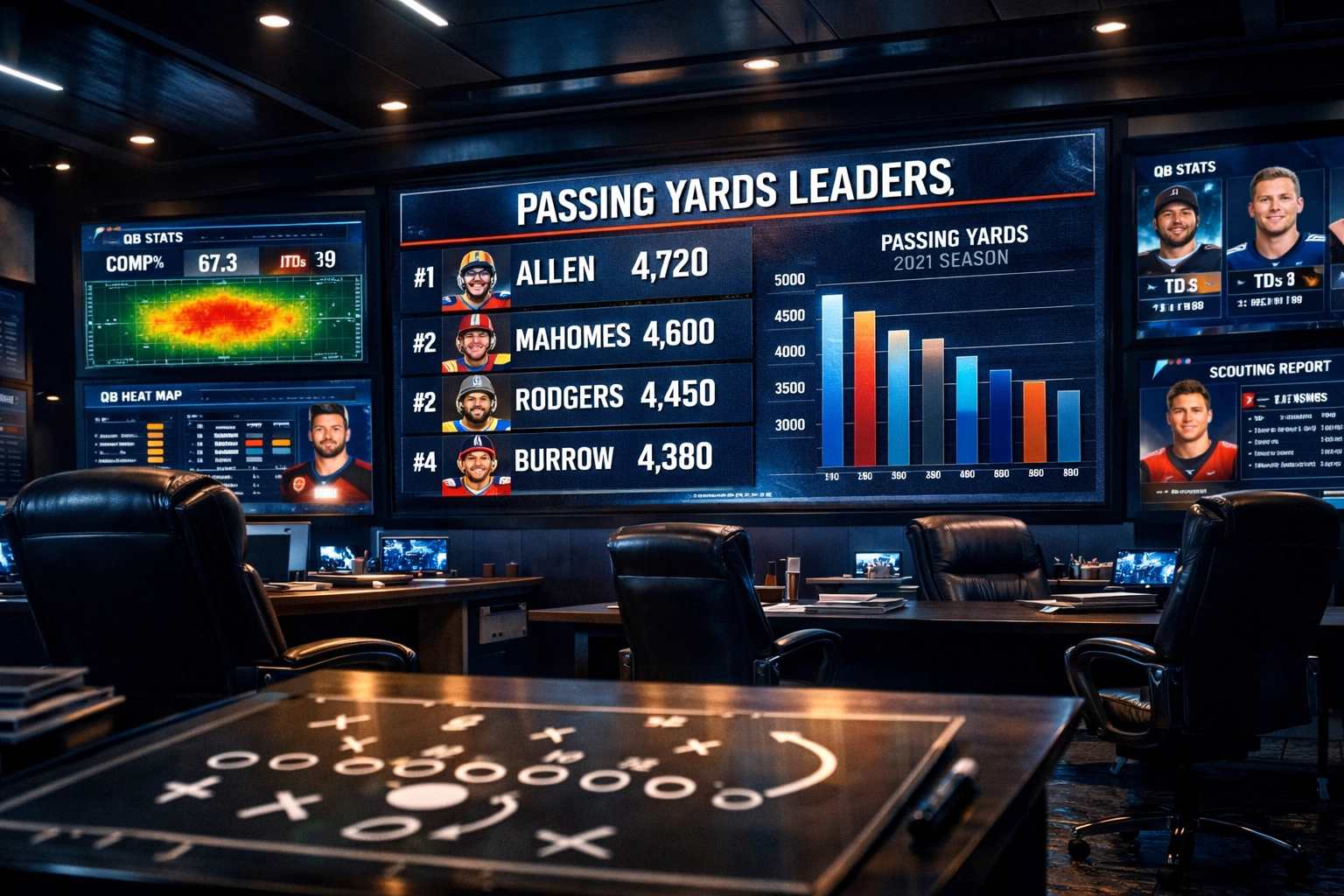
Drew Mestemaker: The Nation's Yardage King (Oklahoma State)
The Stats: 4,379 passing yards, 34 touchdowns in 2025
The Move: North Texas → Oklahoma State
Mestemaker wasn't just good last season, he led the entire country in passing yards. Let that sink in. A former walk-on who turned into a statistical monster followed head coach Eric Morris to the Big 12, where he'll now operate in one of the most QB-friendly offensive systems in college football.
The Scout: This is the textbook definition of "plug-and-play." Oklahoma State lost their starting QB to the NFL Draft and needed someone who could step in Day 1 without a learning curve. Mestemaker's release is clean, his decision-making is mature, and he's already proven he can handle 500+ attempts in a season. If you're coaching QBs at the youth or high school level, study his tape, he maximizes pre-snap reads and doesn't waste mental energy on heroics. He just executes.
Byrum Brown: The Dual-Threat Nightmare (Auburn)
The Stats: 3,158 passing yards, 1,008 rushing yards in 2025 | 7,200+ career passing yards
The Move: USF → Auburn
The Grade: PFF's highest-rated transfer QB at 91.5
If you're looking for the most complete quarterback in this portal class, it's Byrum Brown. He doesn't just throw, he operates. Brown followed head coach Alex Golesh to Auburn, and the fit is perfect. Auburn needed a dual-threat who could extend plays and keep defenses honest in the run game, and Brown is arguably the best in the country at doing exactly that.
The Scout: What separates Brown from other dual-threats is his efficiency. He's not scrambling because the play broke down, he's scrambling because it's part of the design. His ability to reset his feet and deliver accurate throws on the run is elite. For young QBs learning footwork and pocket mobility, Brown is a masterclass.
Brayden Fowler-Nicolosi: The Veteran Bridge (Michigan)
The Stats: 6,938 career passing yards, 38 touchdowns
The Move: Colorado State → Michigan
Michigan just handed the keys to five-star freshman Bryce Underwood, but they're not throwing him to the wolves without a safety net. Enter Fowler-Nicolosi, a three-year starter with nearly 7,000 career yards who provides the perfect insurance policy. If Underwood needs time, Fowler-Nicolosi can start. If Underwood is ready, Fowler-Nicolosi becomes the ultimate veteran mentor in the QB room.
The Scout: This is smart roster construction. Fowler-Nicolosi isn't flashy, but he's steady. He takes care of the football, processes quickly, and has enough arm talent to push the ball vertically when the defense sells out to stop the run. Michigan's new staff under Kyle Whittingham understands that championship teams need depth at QB, and this is exactly how you build it.
The "Cam Ward" of 2026: Terron Dickens (Western Carolina)
The Stats: 3,200 yards, 35 touchdowns, 75% completion rate in 2025
The Status: Still Available
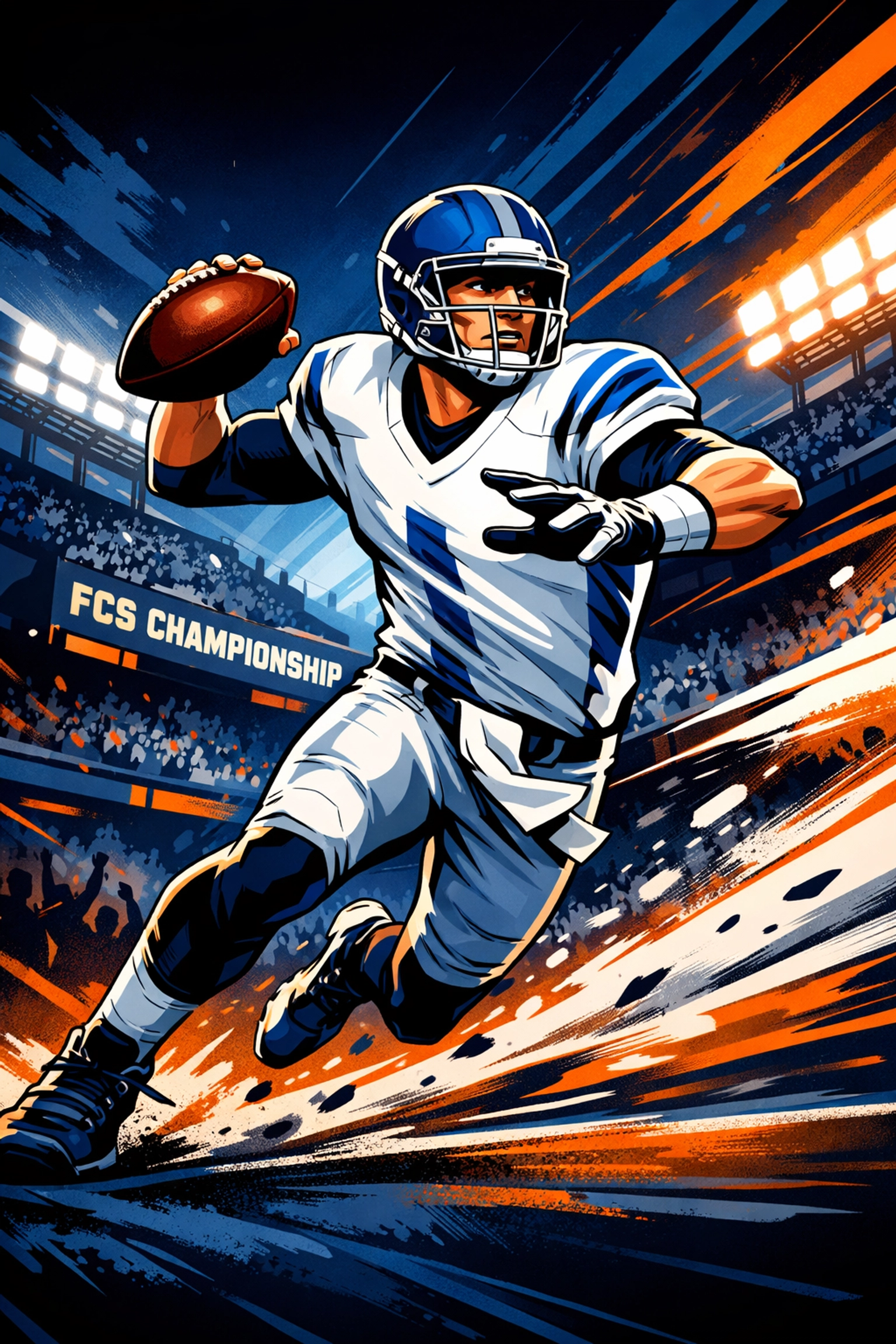
If you remember Cam Ward's rise from FCS Incarnate Word to Miami's starting QB and eventual Heisman contender, Terron Dickens is following the exact same blueprint. He absolutely torched the FCS level last season with video-game efficiency, and he's now the most intriguing "true free agent" left on the board.
The Scout: Dickens isn't just putting up numbers against lesser competition, he's doing it efficiently, which is the key indicator of FBS translation. His 75% completion rate suggests elite processing and anticipation. He's not forcing throws or relying on athleticism to bail him out. Power 4 programs are circling, and whoever lands him is getting a potential starter with upside that far exceeds his current profile.
Scouting Tip: If you're a college recruiter or high school coach tracking these trends, watch how Dickens uses his eyes. He manipulates safeties pre-snap and works through progressions faster than most FBS starters. That's transferable skill.
The Bridge Starters: Immediate Impact Vets
Not every portal QB is chasing a starting job at Alabama. Some guys are stepping into "bridge" roles, programs that need a one- or two-year veteran to stabilize the offense while younger players develop.
Alonza Barnett III (James Madison → UCF)
The Stats: 5,433 career passing yards, 49 touchdowns
The Move: Sun Belt Player of the Year joins Scott Frost's second year
Barnett was one of the most productive QBs in the Group of 5 last season, and UCF needed someone who could immediately run Frost's tempo-heavy offense without a steep learning curve. Barnett checks every box, experience, arm talent, and leadership. He's not a "project." He's a proven winner stepping into a bigger spotlight.
Anthony Colandrea (UNLV → Nebraska)
The Stats: 3,459 yards in 2025
The Move: Replaces Dylan Raiola (transferred to Oregon)
Nebraska lost their prized freshman QB to Oregon, and they needed a quick replacement. Colandrea is an experienced operator who thrives in structure-heavy offenses, which is exactly what Matt Rhule runs. He's not going to win you games with his legs, but he won't lose them with poor decisions either. That's valuable in the Big Ten.
The "Late Entry" Wild Cards
Because the standard window is closed, any new portal entrants are coming from one of two buckets:
- Graduate Transfers who have additional flexibility
- Players from programs with recent coaching changes (Florida, USF, etc.)
Keep an eye on depth QBs from these programs who might be exploring late opportunities. Names like Michael Van Buren Jr. (formerly LSU/Miss State) are floating around, though he falls just short of the 2,000-yard career threshold at approximately 1,886 yards.
The Reality: Most of these "late movers" are depth pieces, not starters. But if you're a program that just lost a QB to injury or transfer, these guys can provide emergency depth.
What This Means for Your Program
Whether you're coaching high school QBs or running a youth football program, the transfer portal teaches us one critical lesson: elite decision-making and efficiency trump raw talent every single time.
Notice the pattern? The guys who landed at the best programs weren't necessarily the biggest recruits, they were the most productive. Mestemaker was a walk-on. Brown was at USF. Fowler-Nicolosi was at Colorado State. But they all performed, and that's what moved the needle.
If you're developing young quarterbacks, focus on:
- Pre-snap processing: Can they diagnose defenses before the ball is snapped?
- Efficiency over heroics: Are they making the right throw, or the "wow" throw?
- Durability: Can they stay healthy over 500+ attempts?
The portal is a mirror: it reflects what college football values. And right now, it values smart, productive, efficient quarterbacks who don't turn the ball over.

Final Thought: The Market is Picked Clean
If you were hoping for a surprise five-star to hit the portal in mid-February, it's not happening. The elimination of the spring window forced programs to move fast, and the elite arms are gone. What's left are developmental projects, late grad transfers, and emergency depth pieces.
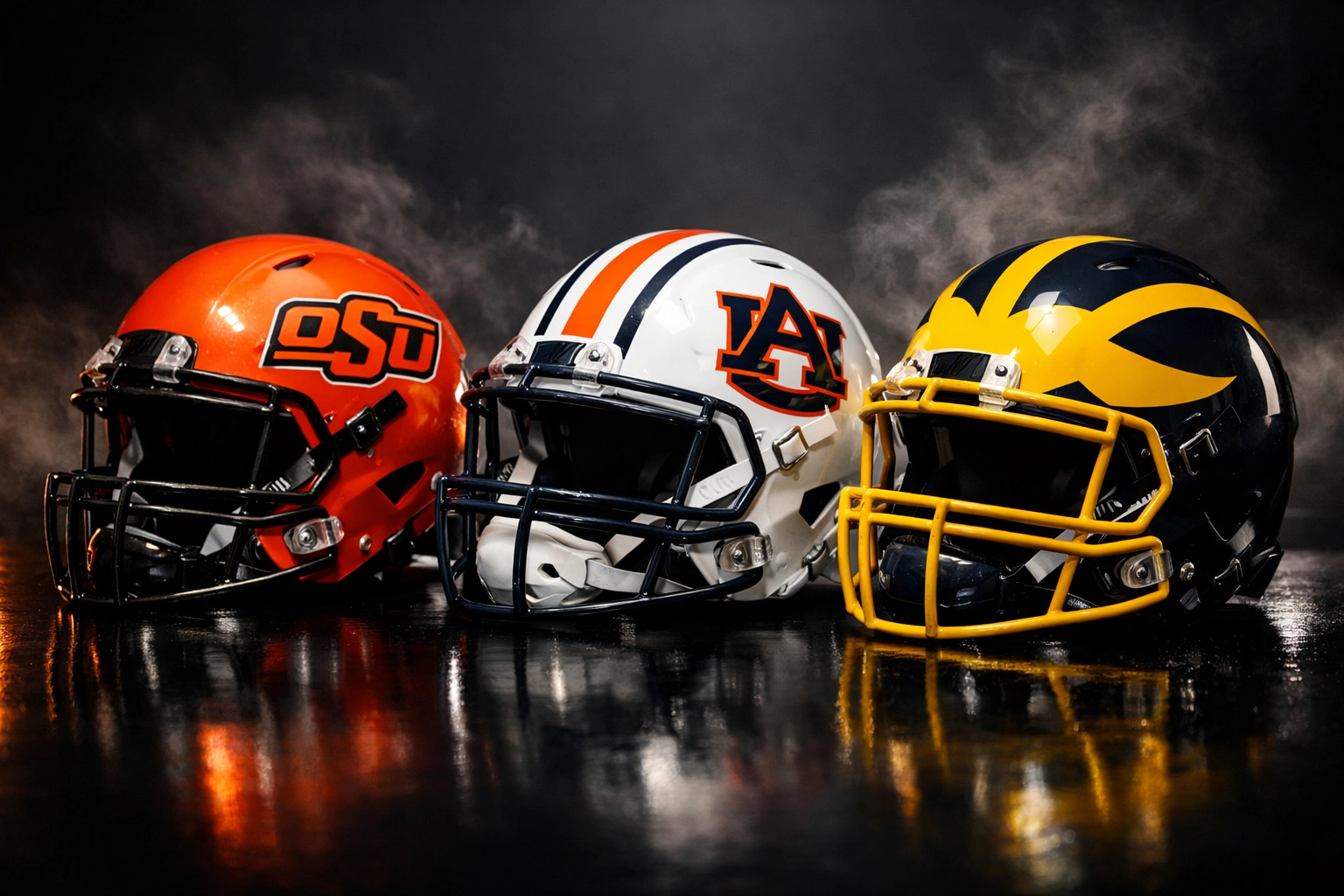
But that's not necessarily bad news. It means rosters are stabilizing earlier, which gives programs more time to develop chemistry and install systems before spring ball. For the players who landed at places like Auburn, Oklahoma State, and Michigan, they've got the runway to make an immediate impact.
Ready to build elite QB play in your program? Explore our camps and clinics or dive into our video breakdown library to see how we develop decision-makers, not just throwers. Visit Boardwalk Beasts Football Club for more resources on building championship-level programs.
The 2026 QB portal market is officially closed. Now it's time to see who makes the most of their new opportunity.
About Author
