The $20 Million Secret: Why Disclosing UConn's NIL Contracts is More Dangerous Than It Sounds
Why This Matters for Youth Athletes: As your son or daughter works their way through our youth football programs, understanding the landscape of college athletics: including the NIL debate: is crucial for making informed decisions about their future. This isn't just college drama; it's a blueprint for what's coming.
The Transparency Trap
In the high-stakes theater of collegiate athletics, the tension between the taxpayer's "right to know" and a student-athlete's right to privacy has reached a breaking point. Connecticut Examiner opinion columnist Chris Powell recently ignited a firestorm by labeling UConn's protected Name, Image, and Likeness (NIL) records as "corrupt" and "secret." His argument? Since UConn is a public institution funded by tax dollars, every financial detail: including what individual athletes earn: should be public record.
While transparency advocates paint this as a moral imperative, the administrative reality tells a different story. Unilateral disclosure would be competitive suicide. This isn't just about transparency; it's a fundamental debate over whether 19-year-old athletes should forfeit their privacy simply because they wear a state-funded jersey.
For families in our Boardwalk Beasts program, this controversy offers a critical lesson: the path from youth football to college athletics is increasingly complex, and the decisions made at the state and NCAA level today will directly impact your athlete's opportunities tomorrow.

The 'Bullseye' Effect: Why Privacy is a Safety Issue
To transparency advocates, financial disclosure is administrative housekeeping. To an athlete, it's a physical threat.
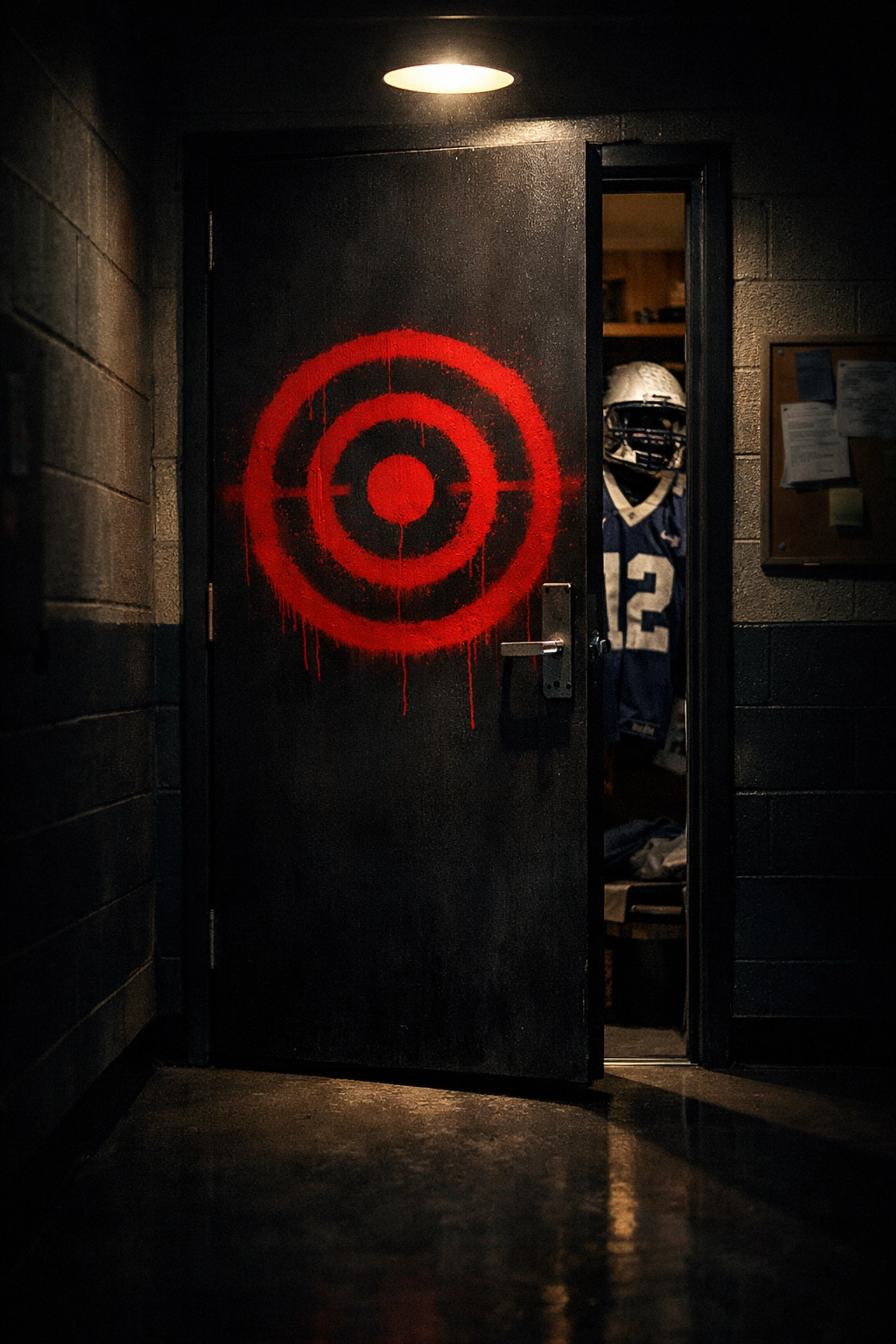
When a university reveals that a teenager is earning six or seven figures, it effectively places a target on that student's back. Unlike professional athletes who employ private security teams and live in gated communities, college students are living in dorms, walking to class, and traveling on public schedules.
The safety risks aren't theoretical. UConn's athletic history is already marked by tragedy: the murder of football player Jasper Howard in 2010 and the death of basketball player Kendall Madison. In a world where criminal organizations can easily track team schedules (knowing exactly when a player is traveling to, say, Boca Raton for an away game), revealing specific income levels invites targeted harassment, robbery, and worse.
"If it's released that a player makes $2 million a year, you're putting a bullseye on the kid's back," one podcast host argued in the debate. "You think criminals aren't going to target them?"
This isn't paranoia: it's risk management. And for young athletes working their way up through programs like ours, understanding the security implications of financial exposure is part of preparing for the next level.
The 1099 Distinction: Private Contracts, Not Public Salaries
The core legal argument for privacy centers on employment status. Unlike the UConn head coach or athletic director: whose salaries are public because they're state employees receiving W-2 income: student-athletes are 1099 independent contractors.
Recognizing the sensitivity of this status, Connecticut's legislature and Governor enacted a specific exemption to the state's Freedom of Information (FOI) law, shielding individual NIL payments from public disclosure. Connecticut joins Louisiana and Kentucky in passing such protections.
From a business perspective, NIL deals are private contracts with third-party entities: local car dealerships, restaurants, apparel companies. We don't demand to see the private contracts of a plumber or construction firm simply because they do business with a state university. Forcing an athlete to disclose their private 1099 income sets a dangerous precedent, treating student-athletes more like public officials than private citizens performing contracted labor.
The House v. NCAA settlement requires athletes to report NIL deals exceeding $600 to their university, but many of these contracts contain confidentiality and non-disclosure clauses. Public disclosure would put athletes in an impossible position: honor their contractual obligations or comply with public records laws.
Competitive Suicide: The Recruiting Disadvantage
UConn currently operates as an independent program fighting to secure a stable future in a power conference like the SEC, Big Ten, or Big 12. In this environment, information is the most valuable currency in recruiting.
If Connecticut unilaterally imposes disclosure requirements while competitor schools: private institutions like Boston College or public universities in states with different laws: protect financial confidentiality, the result is predictable: top-tier talent will look elsewhere.
Elite recruits and their advisors will gravitate toward programs that offer privacy protection. If UConn is the only program forced to reveal its hand, the competitive advantage vanishes instantly. As one commentator bluntly put it: "You might as well just take your program and throw it in the garbage."
This matters for youth athletes because recruiting advantages compound over time. The programs that attract the best talent develop the best coaching staffs, facilities, and opportunities. For a young lineman working through our recruiting programs, understanding these dynamics helps families make strategic decisions about which schools to target.
The 'Public Figure' Fallacy vs. The Reality of Labor
Critics argue that playing on television and being "publicly revered" eliminates any expectation of privacy. This is a fundamental misunderstanding of the NIL economy.
These athletes aren't receiving state "handouts": they're performing active labor. Whether it's signing 50 basketballs before a game, driving to New York City for promotional conventions, or running youth camps after practice, these students earn their income through service contracts with private businesses.
Playing in front of a crowd doesn't transform a 1099 contractor into a public servant. The "fame" argument fails to acknowledge that their earnings result from private market demand for their labor, not a salary for holding public office. The Governor's salary is public because taxpayers directly fund it. An athlete's Nike deal is private because it's negotiated between the athlete and a private corporation.

Follow the Money: Departmental Totals Are the Middle Ground
The public interest is best served by departmental transparency, not individual exposure. UConn already meets this standard by disclosing the total pool of NIL spending and the number of athletes receiving payments. This middle ground protects individuals while allowing the public to monitor for misappropriated funds: a legitimate concern given the $78 million deficit recently seen at Rutgers.
Transparency advocates should focus on the line items of athletic departments to ensure student fees aren't being misused, rather than exposing a student's private bank account. UConn Athletic Director David Benedict emphasized three key concerns when advocating for confidentiality protection: maintaining student-athlete privacy, increasing compensation opportunities, and avoiding competitive disadvantages if Connecticut disclosed details while other states kept them secret.
Furthermore, forced disclosure opens a Pandora's box of legal liabilities, including pending Title IX litigation regarding disparities between male and female NIL payments. Individual disclosure would only fuel such lawsuits, further destabilizing program finances.
Aggregate reporting satisfies accountability without sacrificing privacy: a balance Connecticut has struck through its FOI exemption.
The Takeaway: Protect the Next Generation
As collegiate sports move toward an inevitable "employee" model involving collective bargaining and unions, public salary disclosure may eventually become the norm. Until then, the demand for total financial exposure is a dangerous gamble.
Connecticut must decide if the pursuit of transparency is worth potentially destroying the state's most successful athletic programs. If the legislature peels back these protections, they may discover that their demand for openness results in the very institutional decline they fear. In the cutthroat world of Power Four conferences, states that experiment recklessly with their competitive advantages often learn hard lessons.
For Boardwalk Beasts families: This controversy is a reminder that the college recruiting landscape is evolving rapidly. Understanding NIL implications, privacy concerns, and competitive dynamics is now part of preparing your athlete for the next level. Whether your son is grinding through 7v7 tournaments or your daughter is exploring opportunities in our programs, staying informed about these issues gives your family a strategic edge.
Want to give your athlete the best preparation for their college football future? Check out our recruiting programs and evaluation services to start building a competitive profile today.
About Author
