
ODD MIRROR – TRIPS (3×1) RULES COACH CARD
Quick Reference Guide: ODD MIRROR vs. 3×1 Formations
Key Rule: 3×1 = Use TRIPS TAG with WHITE/RED/GREEN. Backside safety often POACHES #3. Corners must know if they are LOCK, QUARTERS, or TRAP.
Modern offenses are throwing more 3×1 formations at defenses than ever before. Whether it's spread RPO concepts or traditional trips packages, defensive coordinators need a reliable answer. The ODD MIRROR coverage scheme provides that solution, especially when using WHITE STUBBIE rules against trips formations.
This quick-reference guide breaks down the essential responsibilities for each defensive back and linebacker when facing 3×1 alignments. Keep this card handy for sideline adjustments and film study sessions.
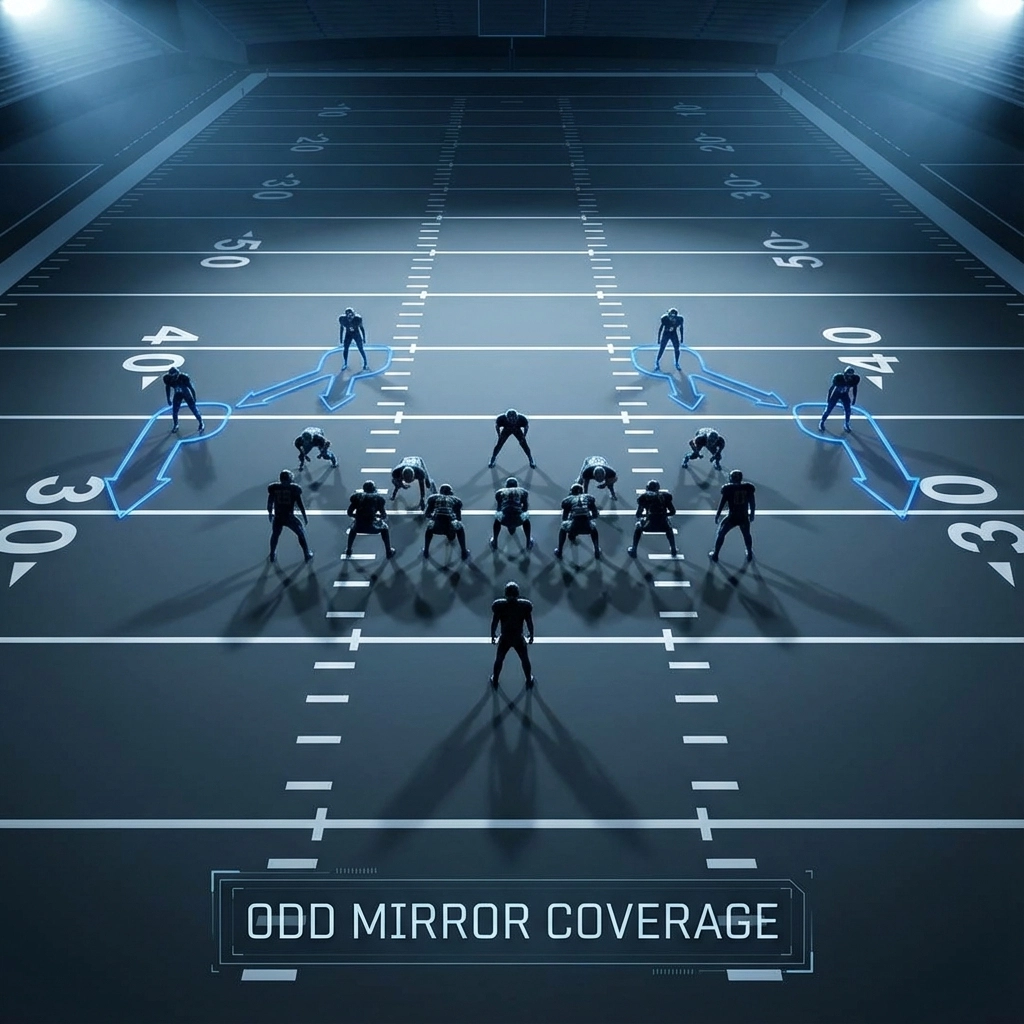
Understanding ODD MIRROR Coverage
ODD MIRROR is a pattern-matching coverage designed to handle modern spread offenses while maintaining run support. The "mirror" concept allows safeties to read route combinations and make intelligent adjustments based on offensive formation strength.
Against trips formations, ODD MIRROR shifts into WHITE STUBBIE rules – essentially trips quarters coverage with a backside poach element. This gives you man coverage principles on the trips side while maintaining zone help and creating turnover opportunities.
Core Philosophy:
- Match numbers to the trips side
- Create plus-one situations through intelligent safety rotation
- Maintain aggressive run support
- Force quick decisions from the quarterback
WHITE STUBBIE: Trips Quarters + Poach #3
WHITE STUBBIE is your go-to adjustment when facing 3×1 formations. The name tells the story – you're playing quarters coverage to the trips side while the backside safety "poaches" across to help with #3.
Formation Recognition
- 3×1 = Three receivers to one side, one receiver backside
- #1 = Outside receiver (trips side)
- #2 = Middle receiver (trips side)
- #3 = Inside receiver (trips side)
- X = Backside receiver
Quick recognition is critical. Linebackers must identify the formation strength immediately and communicate the coverage call. Look for:
- Tight bunch formations
- Spread trips alignments
- Motion that creates 3×1
- RPO indicators (running back alignment, tight end positioning)
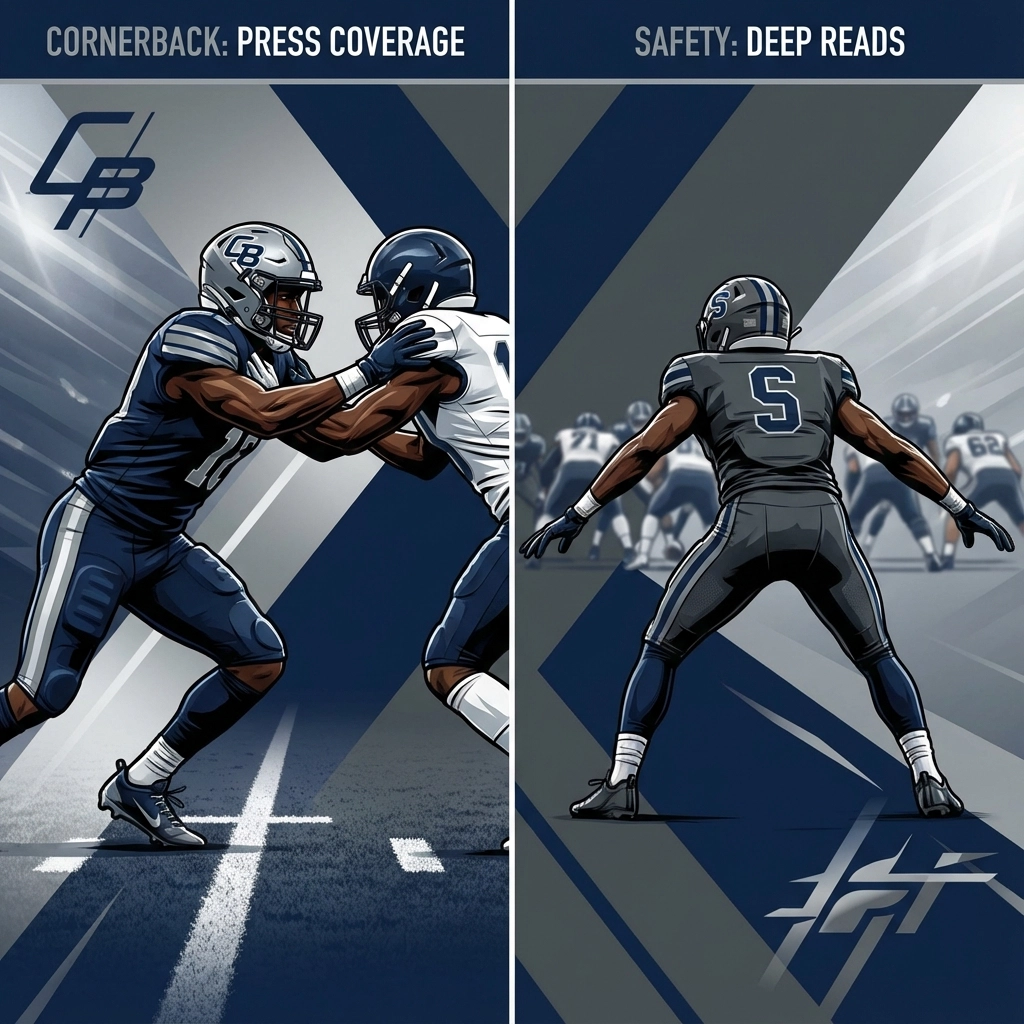
Position-by-Position Responsibilities
Trips Cornerback (Trips CB)
Assignment: Essentially man coverage on #1 receiver
Keys:
- Take vertical routes aggressively
- Pass off shallow crossing routes and underneath patterns
- Maintain outside leverage on comeback routes
- Watch for picks and rub routes
Technique Points:
- Press coverage when possible against slower receivers
- Bail technique against speed receivers
- Communicate route concepts to safety help
- Never let #1 get behind you on vertical routes
Common Routes to Expect:
- Fade/go routes
- Comeback patterns
- Out routes
- Slant-fade combinations
Nickel Defender
Assignment: Read #2 to #3 progression
Primary Rules:
- Carry #2 vertical if he runs up-field
- Drive on #2's out routes and flat patterns
- Pass underneath crossers to linebacker help
- Collision #2 if he runs inside
Read Progression:
- #2 Vertical: Carry him up the seam, match his route
- #2 Out/Flat: Drive aggressively, look to undercut
- #2 Inside: Collision and pass to linebacker, then help with #3
- #3 Considerations: Always know where #3 is going
Coaching Points:
- Physical play at the line of scrimmage
- Quick recognition of route concepts
- Communication with both safety and linebacker
- Maintain inside leverage against crossing routes
Trips Safety
Assignment: Read #3 receiver, provide deep help
Primary Responsibilities:
- Own all vertical seams from #3
- Rob intermediate dig routes and post patterns when #3 runs short
- Provide deep help on double moves
- Communicate route combinations to underneath coverage
Decision Tree:
- #3 Vertical: Match him stride for stride
- #3 Short (5-12 yards): Rob any dig routes or posts from #1 or #2
- #3 Crossing: Collision and pass to help coverage
- RPO Read: Peek at running back for run-pass keys
Key Techniques:
- Start at 12-yard depth, adjust based on down and distance
- Eyes on #3 until he declares his route
- Break on quarterback's eyes when #3 runs short
- Never let anything get behind you
Trips Linebacker
Assignment: Wall #3 and play hook/curl zones
Coverage Rules:
- Deny any inside routes from #3 (crossers, slants, drags)
- Play hook/curl zones between 8-15 yard depths
- Provide underneath help on any route combinations
- Rush the passer on obvious passing downs when appropriate
Techniques:
- Align inside shade of #3
- Bump and run technique on crossing routes
- Pattern recognition for quick game concepts
- Maintain vision on quarterback while covering zone
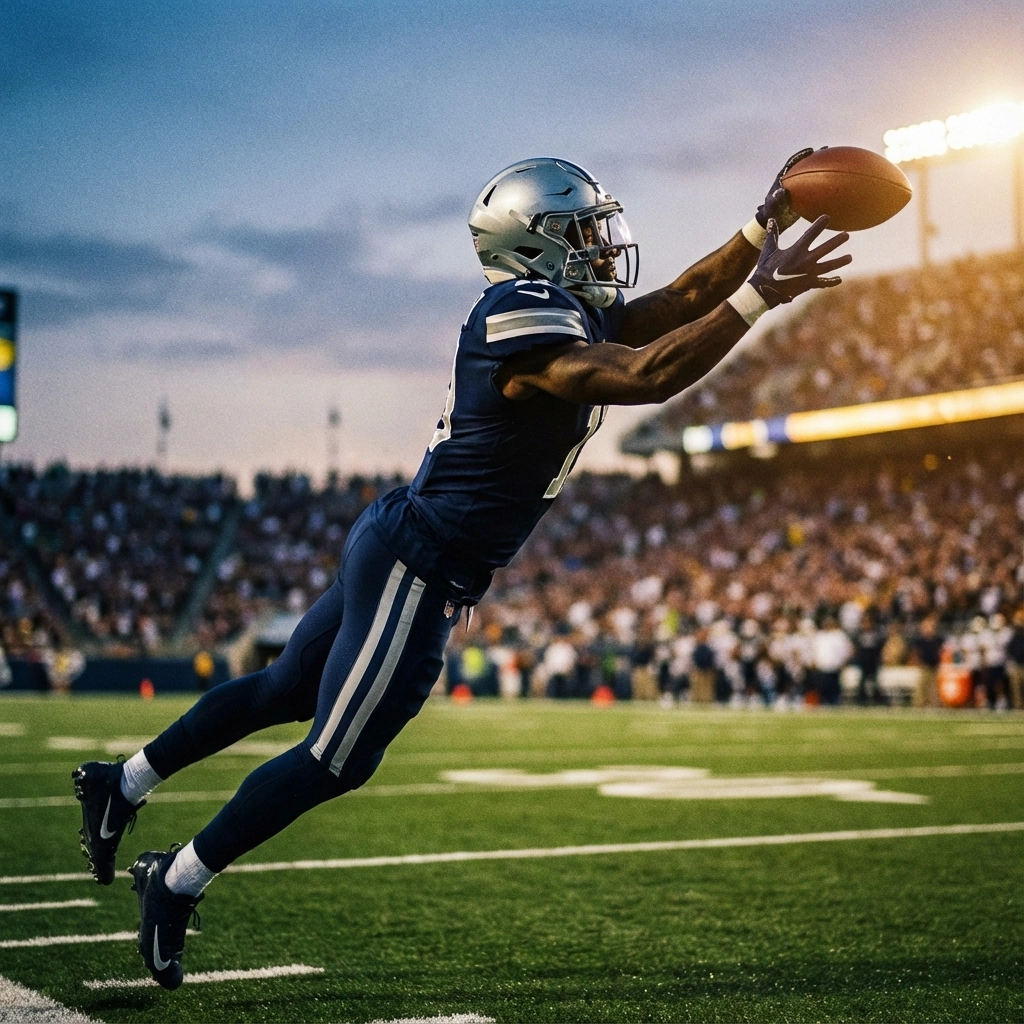
Backside Coverage Rules
Backside Corner (X Receiver)
Assignment: LOCKED man coverage
Rules Are Simple:
- Man coverage on X receiver
- No help coming from safety
- Play aggressive, physical coverage
- Communicate any motion or shifts
Technique Focus:
- Press coverage when possible
- Maintain inside leverage on breaking routes
- Trust your one-on-one skills
- Alert for any trick plays or reverses
Weak Safety (Backside Safety)
Assignment: POACH #3 across formation or rob intermediate routes
Two-Part Job:
- Help with #3's seam routes when he runs vertical
- Rob dig routes and posts from trips side receivers
Decision Making:
- Read #3's initial stem and route development
- If #3 runs short, look to rob intermediate routes from #1 or #2
- Maintain vision on quarterback while jumping underneath routes
- Create turnovers through route anticipation
Positioning:
- Start at 8-10 yard depth, middle of field
- Cheat toward trips formation pre-snap
- Break on quarterback's shoulder turn and eye movement
Communication Requirements
Pre-Snap Calls
Every defender must understand their coverage responsibility before the ball is snapped:
- "LOCK": Cornerback has no safety help, pure man coverage
- "QUARTERS": Four-deep coverage with outside leverage
- "TRAP": Collision technique, pass off to help coverage
In-Game Adjustments
- Motion checks and formation shifts
- Route concept identification
- Down and distance adjustments
- Red zone modifications
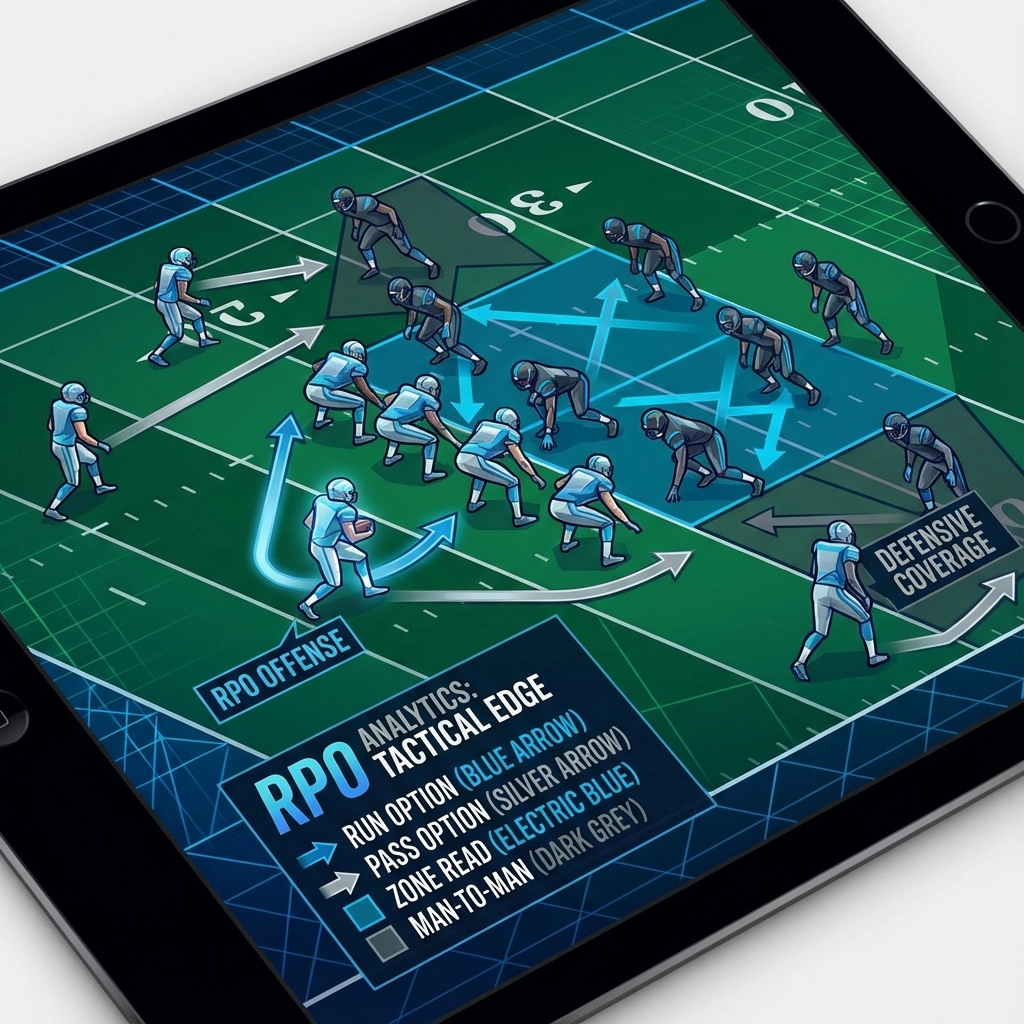
Application vs. Spread Trips and RPO
Against Spread Trips
Modern spread offenses use trips formations to create natural picks and overload concepts. WHITE STUBBIE counters this by:
- Matching numbers with dedicated coverage
- Creating physical play at the line of scrimmage
- Providing multiple robber opportunities
- Forcing quarterbacks into difficult reads
RPO Considerations
Run-pass options present unique challenges. Key coaching points:
- Run Fits: Trips linebacker must be sound in run support
- Pass Coverage: Can't abandon coverage responsibilities for run fake
- Eye Discipline: Safeties must trust their keys and not peek at backfield
- Communication: Call out RPO indicators pre-snap
Common RPO Packages to Expect:
- Bubble screen with inside zone
- Slant concepts with outside zone
- Quick game with power/gap schemes
- Fade routes with draw plays
Red Zone Adjustments
Inside the 20-yard line, modify WHITE STUBBIE rules:
- Trips CB: More aggressive jam techniques, less concern about deep help
- Nickel: Tighter coverage, expect more pick plays
- Trips Safety: Move closer to line of scrimmage, defend goal line
- Weak Safety: Can be more aggressive jumping underneath routes
Practice Implementation
Installation Drills
- 7-on-7 Period: Focus on coverage rules and communication
- Skeleton Periods: Work route recognition and adjustments
- Team Periods: Full-speed implementation with run support
Film Study Points
- Route combination recognition
- Communication breakdowns
- Missed opportunities for turnovers
- Run-pass option decision making
Remember: This coverage succeeds through discipline and communication. Each player must trust his teammates and execute his specific assignment. The poach element creates turnovers, but only when the foundation coverage is sound.
Keep this card accessible during games for quick reference and sideline teaching moments. Master these rules, and your defense will have a reliable answer for any trips formation offense.
For more defensive coaching resources and youth football training opportunities, visit our training programs to develop your players' skills and understanding of modern defensive concepts.
About Author
