
High School Flag Football Participation Is Exploding: Are We Missing a Massive Growth Opportunity?
The numbers don't lie: high school flag football is having its moment, and it's bigger than anyone predicted. While we've all been focused on traditional tackle football recruiting and development, a seismic shift has been happening right under our noses. The question isn't whether flag football is growing anymore. It's whether youth football organizations like ours are positioned to capitalize on what might be the biggest opportunity in youth sports right now.
The Growth Numbers Are Staggering
Let's start with the facts that should grab every coach's attention. Girls' flag football participation at the high school level hit 68,847 athletes in the 2024-25 school year: a jaw-dropping 60% increase from the previous year. But here's the kicker: nearly 1,000 additional schools added girls flag football programs in just one year.
This isn't some small trend we can ignore. At the youth level, over 1.5 million kids are now playing organized flag football, marking a 30% jump since 2015. Girls' participation specifically has spiked 25% year-over-year in many leagues, making it the fastest-growing segment of youth football.
The NFL FLAG program alone operates more than 1,600 teams serving over 620,000 youth athletes across all 50 states. Parks & Recreation programs expanded participation by 23%, and YMCA programs saw 31% growth in 2024. These aren't flukes: they're indicators of a fundamental shift in how families view football participation.
Why Flag Football Is Taking Off Now
The explosion isn't happening in a vacuum. Parents have been wrestling with tackle football safety concerns for years, and flag football offers a compelling solution. It eliminates the heavy contact that has driven many families away from the sport while preserving the strategy, athleticism, and team dynamics that make football special.
Cost is another huge factor. Traditional tackle football requires significant equipment investment: helmets, pads, cleats, and ongoing gear maintenance. Flag football strips away these barriers, making the sport accessible to families across different income levels. When you can get your kid into competitive football for a fraction of the cost, it's an easy sell.
The timing couldn't be better either. Schools are dealing with declining tackle football participation in many areas while simultaneously looking for ways to expand athletic opportunities for girls. Flag football solves both problems at once.
States Are Making It Official
The state adoption trend tells the real story of where this is heading. Florida led the charge by making girls flag football an official high school sport, and other states quickly followed. California, Nevada, New York, and Arizona have all jumped in, with more states expected to announce programs in 2025.
When states make flag football official, everything changes. Suddenly you have structured seasons, championship tournaments, college recruiting pipelines, and media coverage. It legitimizes the sport in ways that recreational leagues never could.
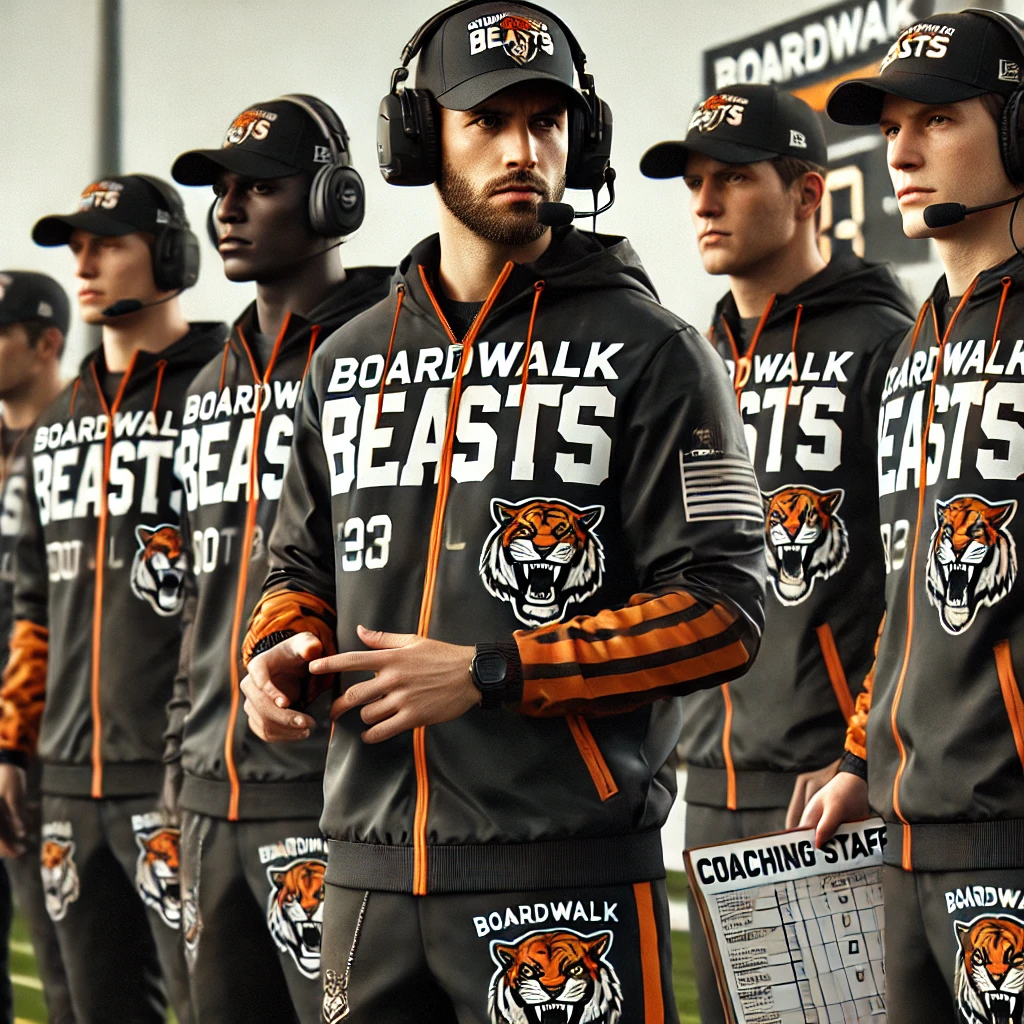
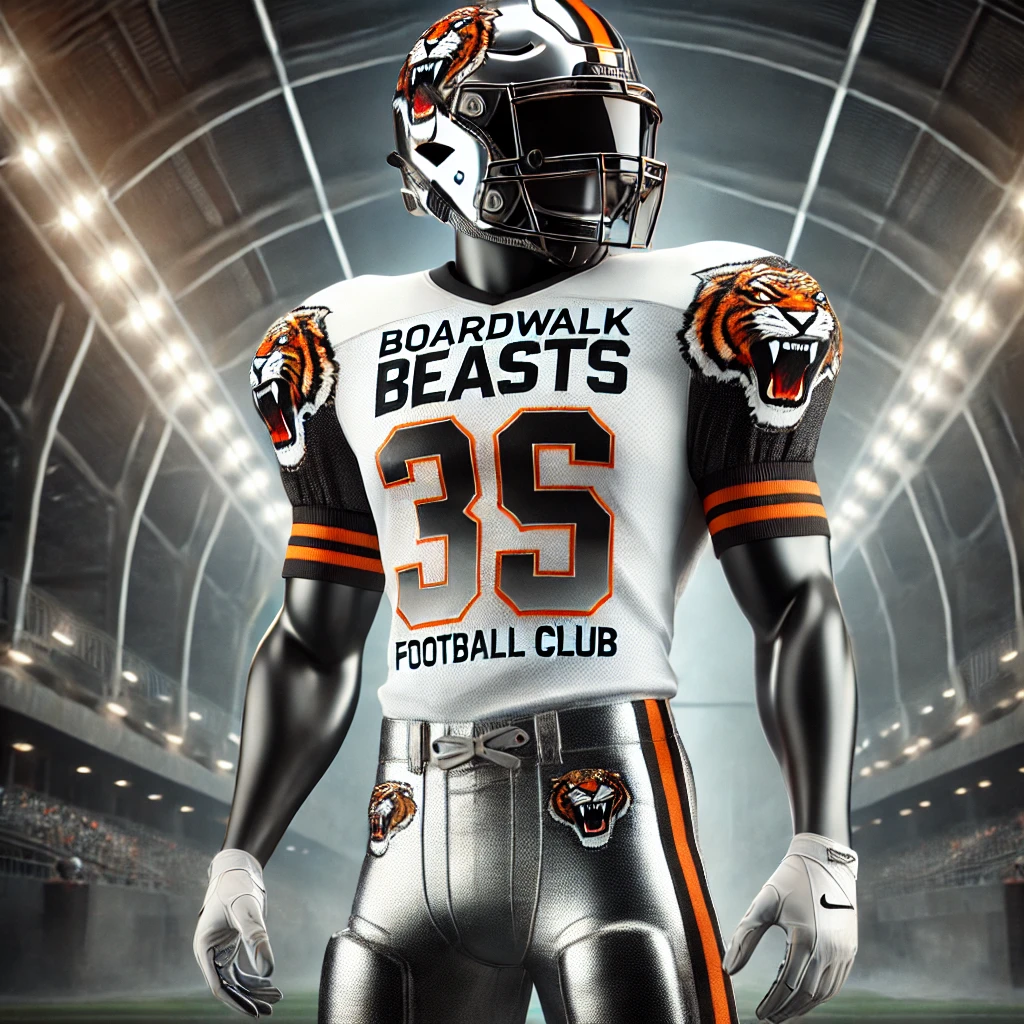
The ripple effects are massive. Official state recognition means high school athletic directors are allocating budgets for flag football programs. They're hiring coaches, scheduling facilities, and treating it like any other varsity sport. This creates demand for quality coaching, player development, and competitive opportunities: exactly the kind of services clubs like Boardwalk Beasts specialize in.
The College Scholarship Game-Changer
Here's where it gets really interesting for recruiting-focused programs. Several colleges have already launched women's flag football programs with scholarship opportunities. The NAIA and junior college levels are particularly active, and there's serious discussion about NCAA adoption in the coming years.
Think about the recruiting implications. We're potentially looking at a brand new college sport with limited competition for top talent. Early movers in flag football development could have a massive advantage in helping athletes secure scholarships in an emerging market.
The media attention is following the money too. ESPN has increased coverage of flag football competitions, the NFL continues investing heavily in flag football development, and college programs are generating buzz with their new teams. This visibility creates a feedback loop that drives even more participation.
What This Means for Football Clubs
For established football clubs, flag football presents both an opportunity and a challenge. The opportunity is clear: tap into a rapidly growing market with lower overhead costs and broader appeal. The challenge is adapting traditional football development models to fit flag football's unique demands.
Smart clubs are already making moves. They're developing flag football-specific coaching expertise, creating pathways from youth flag to high school programs, and building relationships with the colleges launching flag football teams. They're also using flag football as a gateway to introduce kids to football fundamentals without the intimidation factor of tackle football.
The business model advantages are compelling too. Flag football programs can run year-round with minimal facility requirements. You can operate multiple age groups simultaneously on smaller fields. Equipment costs are negligible. The barriers to entry are low, but the ceiling for program quality and development is high.
Actionable Steps for Boardwalk Beasts
So what does this mean practically for our organization? First, we need to seriously evaluate our flag football offerings. Are we just running basic recreational programs, or are we developing legitimate competitive pathways that prepare athletes for high school and potential college opportunities?
We should be building relationships with local high schools that are adding or considering flag football programs. Position Boardwalk Beasts as the premier development partner: the club that feeds talent into their varsity programs. This creates value for schools while building our reputation as the go-to flag football developer in our region.
Our coaching staff needs flag football-specific training. The strategic elements, officiating nuances, and skill development priorities are different enough from tackle football that we can't just wing it. Investment in proper coach development will differentiate us from clubs that treat flag football as an afterthought.
We should also explore partnerships with the colleges launching women's flag football programs. Early relationships with college coaches in this space could give our athletes recruiting advantages and give us credibility with parents who see college opportunities as the ultimate goal.
Finally, we need to market flag football aggressively to demographics we might not reach with traditional tackle programs. This includes girls who've never considered football, families concerned about contact sport safety, and communities where cost has been a barrier to football participation.
The Window Won't Stay Open Forever
Here's the reality check: growth opportunities this significant don't last forever. Right now, flag football is expanding faster than quality coaching and development programs can keep up. That creates a temporary advantage for clubs that get serious about flag football excellence early.
But this window will close. As more clubs recognize the opportunity, competition will increase. States will continue formalizing programs, creating more structured pathways that potentially bypass club development. The colleges launching flag football programs will develop their own recruiting networks and preferred club relationships.
The clubs that establish themselves as flag football leaders now will have sustainable advantages. Those that wait will be fighting for scraps in an increasingly competitive market.
Are we maximizing this moment at Boardwalk Beasts, or are we letting a once-in-a-generation opportunity slip by? The choice is ours, but we need to make it quickly. The flag football explosion is happening with or without us: the question is whether we'll be leading the charge or watching from the sidelines.
Visit boardwalkbeastsfb.com to learn more about our programs and see how we're adapting to serve the next generation of football athletes.
About Author
