
How to Choose the Best Youth Helmet (Compared: New 2027 Standards vs. Old Gear)
Before you suit up for the next season, make sure you're playing with the best information. Check out our upcoming camps and events at myfootballcamps.com, grab the latest insights at coachschuman.com, and join the hunt at boardwalkbeastsfb.com.
If you’re a parent or a coach in the youth football world, you know the drill. You want your players to be aggressive, fast, and fearless on the field. But as any Boardwalk Beast knows, you can’t play at an elite level if you’re sidelined by a preventable injury. For years, the industry standard for helmets was basically "one size fits all" when it came to safety tech, meaning the helmet your 8-year-old wore was just a smaller version of what an NFL pro wears.
That’s all changing.
The National Operating Committee on Standards for Athletic Equipment (NOCSAE) has finally dropped the hammer with the new ND006 standard, effective September 1, 2027. This isn't just another boring regulation; it’s the first-ever performance standard specifically designed for youth football players. If you’re still buying gear based on what looks "cool" or using hand-me-downs from the local high school, you’re playing a dangerous game with outdated tech.
Here is everything you need to know about the 2027 standards versus the old gear and why this is a massive performance advantage for the Boardwalk Beasts.
The Weight Factor: Killing the "Bobblehead" Effect
One of the biggest issues in youth football has always been the weight of the helmet. Have you ever seen a 7-year-old try to sprint while wearing a 5-pound helmet? They look like a bobblehead. Their neck muscles aren't developed enough to stabilize that kind of mass, especially during a collision or a sudden change of direction.
Old Gear: Traditional "all-age" helmets often tip the scales between 4 and 6 pounds. While an adult linebacker can handle that, a youth player’s head-to-body ratio is much higher, and their neck strength is significantly lower. This extra weight leads to early fatigue, poor form, and, most importantly, an increased risk of the head snapping back during an impact.
The 2027 Standard (ND006): The new mandate is a game-changer. It caps the maximum weight of a youth-certified helmet at 3.5 pounds.
Reducing a pound or two might not sound like much to an adult, but for a youth athlete, it’s the difference between maintaining a "cheetah coiled" stance and having your chin dragged down by gravity. A lighter helmet means faster reaction times and less strain on the posterior chain. When your athlete isn't fighting their own equipment, they can focus on the skill of the game.
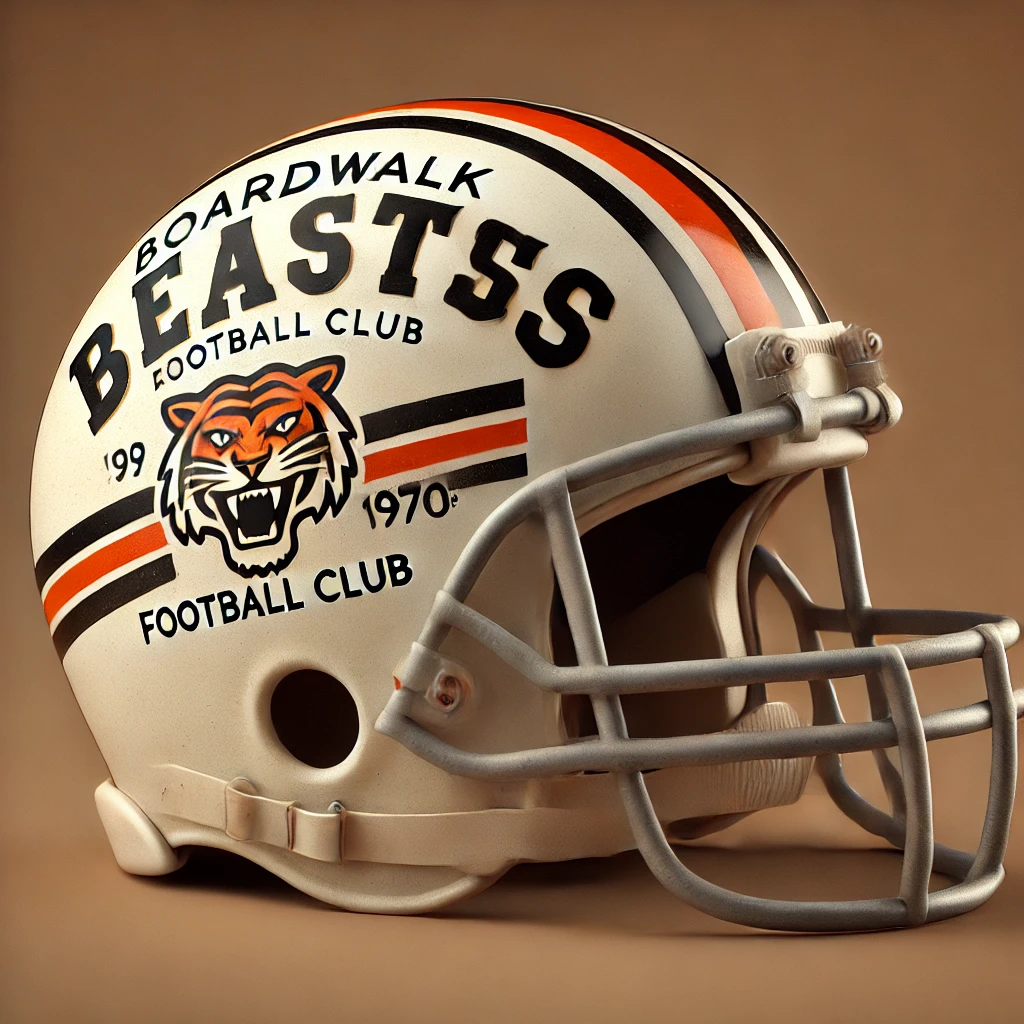
Rotational Acceleration: Fighting the "Twist"
We used to think concussions only happened from a straight-on, "linear" hit, the classic helmet-to-helmet "thud." While those are dangerous, science now tells us that rotational acceleration is the real silent killer. This is the "whiplash" or "twist" motion that happens when a player is hit at an angle, causing the brain to rotate inside the skull.
Old Gear: Previous standards (like ND002) focused heavily on linear impact, how much force a helmet could absorb in a straight line. They didn't do much to address the twisting forces that occur in almost every real-world football tackle.
The 2027 Standard: The ND006 standard introduces a strict limit on rotational acceleration, capping it at 5,000 rads/sec². This means manufacturers are now forced to use advanced materials and "slip-plane" technologies (like MIPS or specialized padding filaments) that allow the helmet to move slightly independently of the head during a glancing blow.
By limiting that rotation, we are significantly lowering the risk of traumatic brain injuries. At Boardwalk Beasts, we play a competitive, high-speed game. Knowing your gear is engineered to handle the "twist" of a modern tackle gives our athletes the confidence to play at 100% speed.

Tailored Testing: Youth Data for Youth Players
For decades, the "scientific" testing for helmets used a "headform" (a dummy head) that was modeled after an adult male. The impactors used to hit the helmets were also weighted for adult-level collisions. This was a massive failure in the "speed gap" of safety, it ignored the fact that kids fall differently, hit differently, and have different bone densities.
The Research Shift: The new 2027 standard is built on a foundation of data from Virginia Tech and the University of Ottawa. These researchers looked at how youth players actually move on the field. They found that kids experience more frequent falls to the ground and different impact velocities than pros.
The New Standard: ND006 uses youth-specific testing equipment. This includes:
- Lighter Impactors: Testing how a helmet reacts to the specific force of a 100-pound kid, not a 250-pound pro.
- Redesigned Headforms: Using smaller, more anatomically correct models that reflect a youth player’s actual skull shape and neck pivot points.
This means when you see that 2027 certification, you know that helmet was built for your kid, not for some guy playing on Sundays.
Advice for Parents: The "No Hand-Me-Down" Rule
We get it, football gear is expensive. It’s tempting to take that old adult helmet from the garage or buy a used one from a neighbor. Don't do it.
Using an adult helmet on a youth player is a massive safety violation. Adult helmets are designed to withstand forces that a youth player will likely never generate, and they are far too heavy. Furthermore, the internal padding in old helmets degrades over time. If a helmet is more than a few years old, the foam has likely lost its "memory" and its ability to absorb energy.
What to look for right now:
- The Label: As we approach the 2027 deadline, manufacturers are already releasing "ND006 Ready" gear. Look for the Safety Equipment Institute (SEI) certification label specifically mentioning the youth standard.
- The Fit: A helmet is only as good as its fit. If it slides when the player shakes their head, it’s useless.
- The Weight: If you pick up a helmet and it feels like a lead weight, put it back. Aim for that 3.5 lb sweet spot.
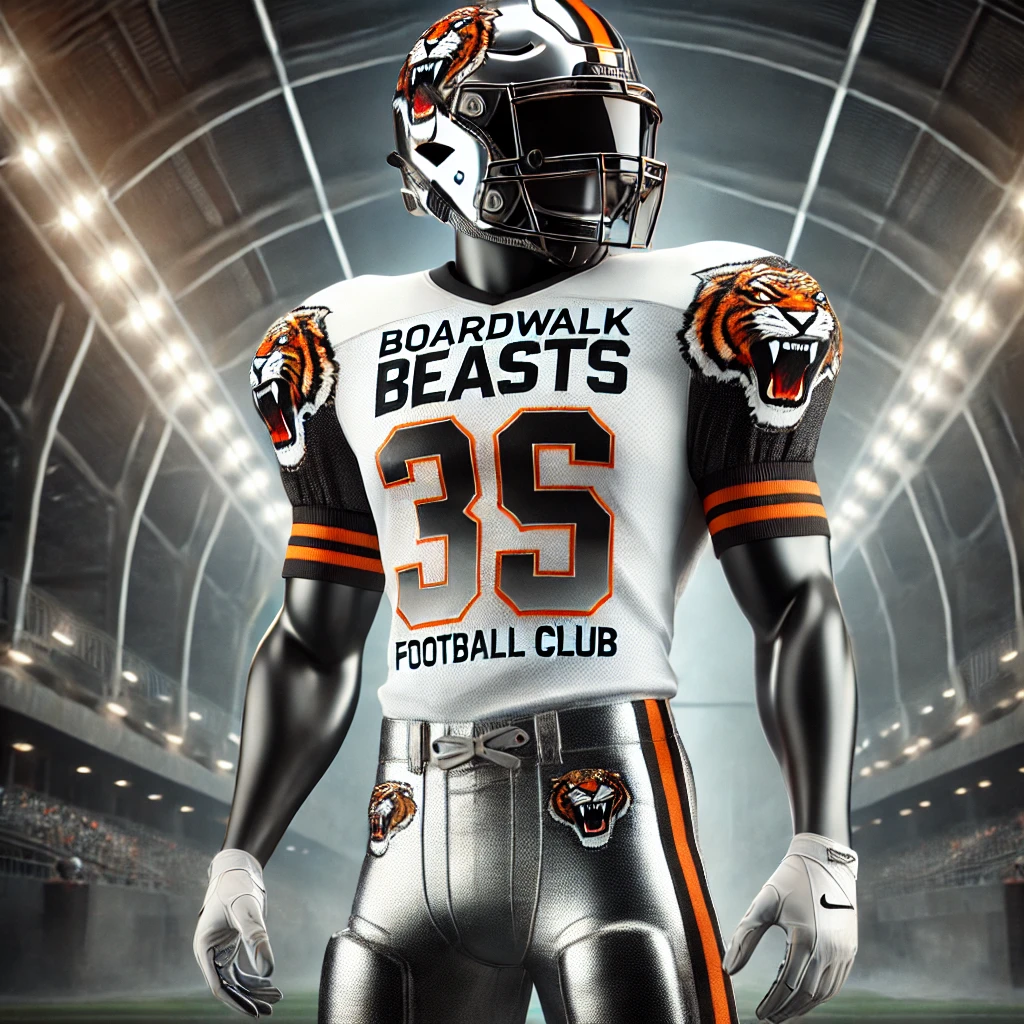
Safety is a Competitive Advantage
Some people think talking about safety makes the game "soft." At Boardwalk Beasts Football Club, we think that’s total nonsense. Safety is a performance advantage.
Think about it:
- A lighter helmet means a faster player who doesn't get tired in the 4th quarter.
- A more secure, tech-forward helmet gives a player the psychological confidence to execute a perfect "paw and push" technique without hesitation.
- Better protection means more time on the field and less time in the training room.
We want our athletes to be the fastest, strongest versions of themselves. That starts with the brain. If you're looking to take your game to the next level and want to compete with the best, check out our recruiting programs and elite series.
Summary: The Blueprint for the Future
The shift to the 2027 NOCSAE ND006 standard is the biggest win for youth football in a generation. By mandating a 3.5 lb weight limit, focusing on rotational acceleration, and using youth-specific testing data, the industry is finally catching up to the needs of our young athletes.
As we move toward this new era of athletic superiority, don't let your gear be the thing that holds you back. Invest in the right tech, ditch the heavy "tanks" of the past, and stay focused on the grind.
Ready to show off your speed in the right gear? Sign up for our next showcase at myfootballcamps.com/schedule. For more tips on dominating the field and staying protected, head over to boardwalkbeastsfb.com and coachschuman.com. See you on the turf!
Standard Workflow Note: After publishing, please notify Sonny (Social Media Manager) with the exact nucsports.com blog link for social media posting.
About Author
