Are You Making These Common Recruiting Mistakes? (And How to Get Noticed by D1 Coaches)
STOP WAITING FOR THE CALL. START MAKING IT HAPPEN.
Before we dive into the blueprint for Division 1 recruitment, you need to know where the elite athletes are training. If you want to get noticed, you need to be where the coaches are looking. Head over to myfootballcamps.com to find our upcoming showcases, check out coachschuman.com for expert coaching resources, and visit boardwalkbeastsfb.com to join the most competitive club in the region.
You think you’re good enough to play Division 1 football. You’ve got the size, the speed, and the stats. But here is the cold, hard truth: talent is the baseline. Every year, thousands of "talented" athletes across the country are left sitting on the sidelines on National Signing Day because they made avoidable, rookie mistakes in the recruiting process.
Recruiting isn’t just about how you play on Friday nights. It’s a 24/7 business. D1 coaches aren't just looking for players; they are looking for investments. If you aren’t treating your recruitment like a professional job, you are already behind.
At Boardwalk Beasts Football Club, we see it all the time, athletes who could be playing at the next level but get tripped up by poor social media habits, a lack of initiative, or a "wait-and-see" attitude that kills their dreams before they even start.
Let’s break down the most common recruiting mistakes and, more importantly, how you can fix them to get the eyes of D1 coaches on your game.
Mistake #1: Being Passive (The "Waiting Game" Fallacy)
This is the most common mistake high school and middle school athletes make. You assume that because you had a great season or made All-Conference, coaches will magically find your contact information and reach out.
The Reality: College coaches are overwhelmed. A typical D1 staff receives thousands of emails and highlight tapes every month. If you aren't proactively reaching out to them, you don't exist.
Many athletes receive generic letters or camp invites from big schools and think, "I'm being recruited!" Research shows that schools send mass communications to thousands of prospects to fill their camps. Receiving a letter is a start, but it doesn't mean you're on their board. You have to follow up. You have to fill out their recruiting questionnaires and establish a direct line of communication.
Mistake #2: Waiting Until Senior Year
If you wait until your senior year to start worrying about recruitment, you’ve already lost. Most D1 programs have their boards almost entirely set by the time a player starts their senior season.
The junior year is the most critical evaluation period. This is when coaches determine who can actually play at the high level required for D1. For middle schoolers, it’s about building the foundation and getting on the radar early through skill camps. If you wait until you're a senior, the scholarships are already gone, and you're fighting for scraps.

Mistake #3: Poor Social Media Hygiene (Twitter/X is Your Resume)
Twitter (X) is the primary tool for college football recruiting. Coaches use it to find film, check stats, and, most importantly, vet your character.
Are you retweeting nonsense? Are you arguing with people in the comments? Is your profile picture a blurry photo of you in a hoodie? If a coach clicks on your profile and sees anything that suggests you might be a "headache" or a "liability," they will close the tab and move on to the next guy.
How to Fix It:
- Handle: Use your real name (e.g., @JohnDoe2027).
- Bio: Include your position, height, weight, GPA, high school, and a link to your Hudl.
- Pinned Tweet: Your latest, most explosive highlight reel.
- Content: Post workout clips, game highlights, and academic achievements. Keep it professional.

Mistake #4: Letting Your Parents Do the Talking
We get it, your parents are your biggest fans. They want to see you succeed. But when a parent is the one emailing a coach or calling a recruiter, it sends a clear message: The kid isn't mature enough to handle this.
College coaches want to recruit athletes, not their parents. They want to see that you have the leadership and communication skills to advocate for yourself. If you can’t handle a 5-minute phone call with a position coach, how are you going to handle a 4th-and-goal situation in front of 80,000 people?
Mistake #5: Ignoring the "Student" in Student-Athlete
You can run a 4.4 forty and jump out of the gym, but if you don't have the grades, you are a "non-qualifier." D1 coaches aren't going to waste a scholarship spot on a player who might be academically ineligible by the second semester.
Academics are the ultimate filter. A high GPA and solid test scores make you an easier "sell" to the admissions department. It also proves to the coaching staff that you have the discipline to handle the rigors of a college schedule.
How to Actually Get Noticed by D1 Coaches
Now that we’ve cleared out the garbage, let’s talk about how to actually stand out.
1. Create High-Quality Film
Your highlight tape should not be 10 minutes long. Coaches want to see your best 15-20 plays in the first two minutes.
- Lead with your best: Don't save the "wow" play for the end.
- Show Versatility: If you're a WR, show catching, route running, and blocking.
- Spotlight: Use a circle or arrow to identify yourself before the snap.
- Context: Include some raw game footage or full-game clips if requested, but keep the highlight reel tight and explosive.
2. Attend Showcases and Combines
Coaches trust what they see with their own eyes more than what they see on film. You need to get out and compete against other top-tier talent. This is why events like the South Jersey Last Chance Football Showcase are so vital.
When you attend a Boardwalk Beasts or NUC Sports combine, you get verified numbers (40-yard dash, vertical, etc.) that coaches can rely on. It also gives you the chance to prove you aren't just a "system" player, you can compete in any environment.
3. Build a Personal Brand
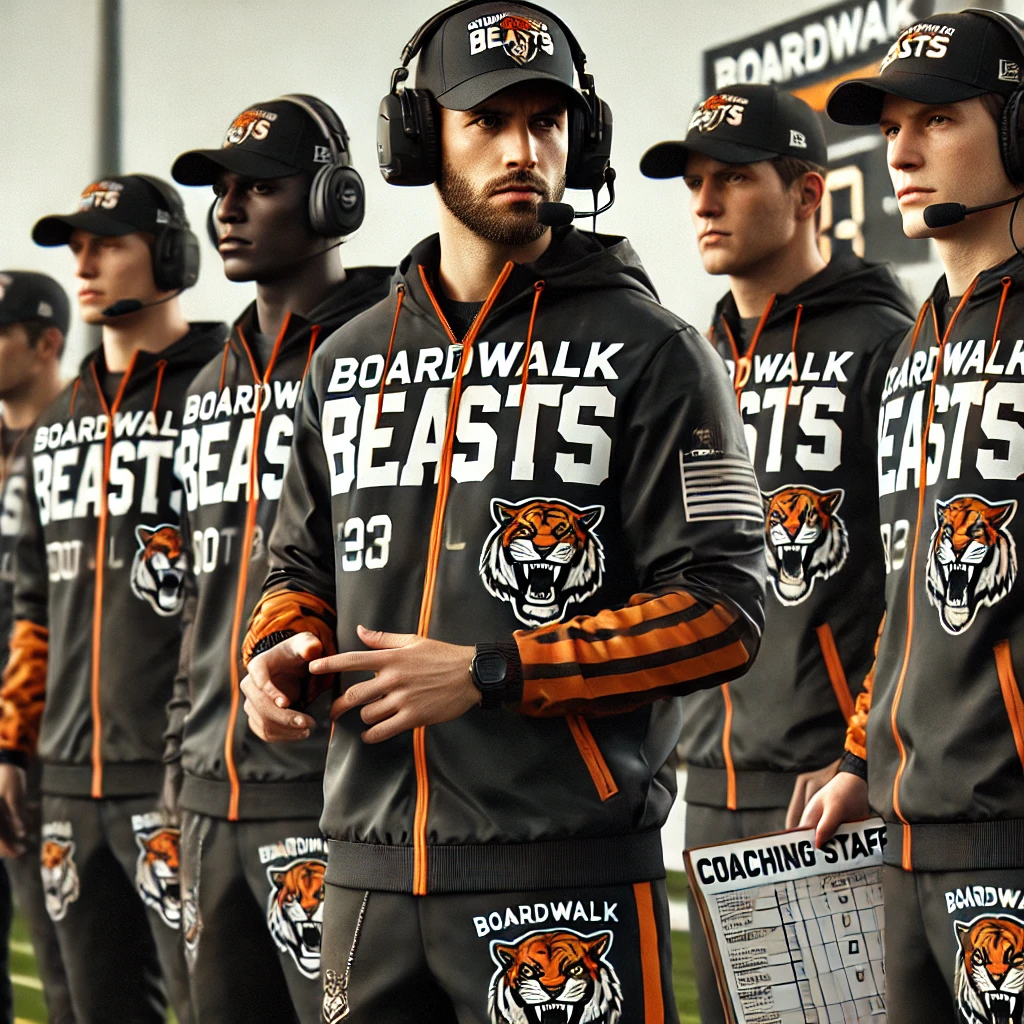
In the era of NIL (Name, Image, and Likeness), your personal brand matters. Being a Boardwalk Beast isn't just about wearing the jersey; it's about representing a standard of excellence.
- Consistency: Train hard, post your progress, and stay humble.
- Networking: Connect with coaches, trainers, and other elite athletes.
- Character: Be the guy coaches want in their locker room.
4. Be Proactive with Questionnaires
Go to the website of every school you are interested in and find their "Prospective Student-Athlete Questionnaire." Fill it out completely. This puts you into their database. Once you're in the system, you can start sending personalized emails to the recruiting coordinator and your position coach.
The Competitive Edge
The recruiting process is a competition. Just like on the field, there are winners and there are losers. If you are making the mistakes we listed above, you are giving your competition an edge.
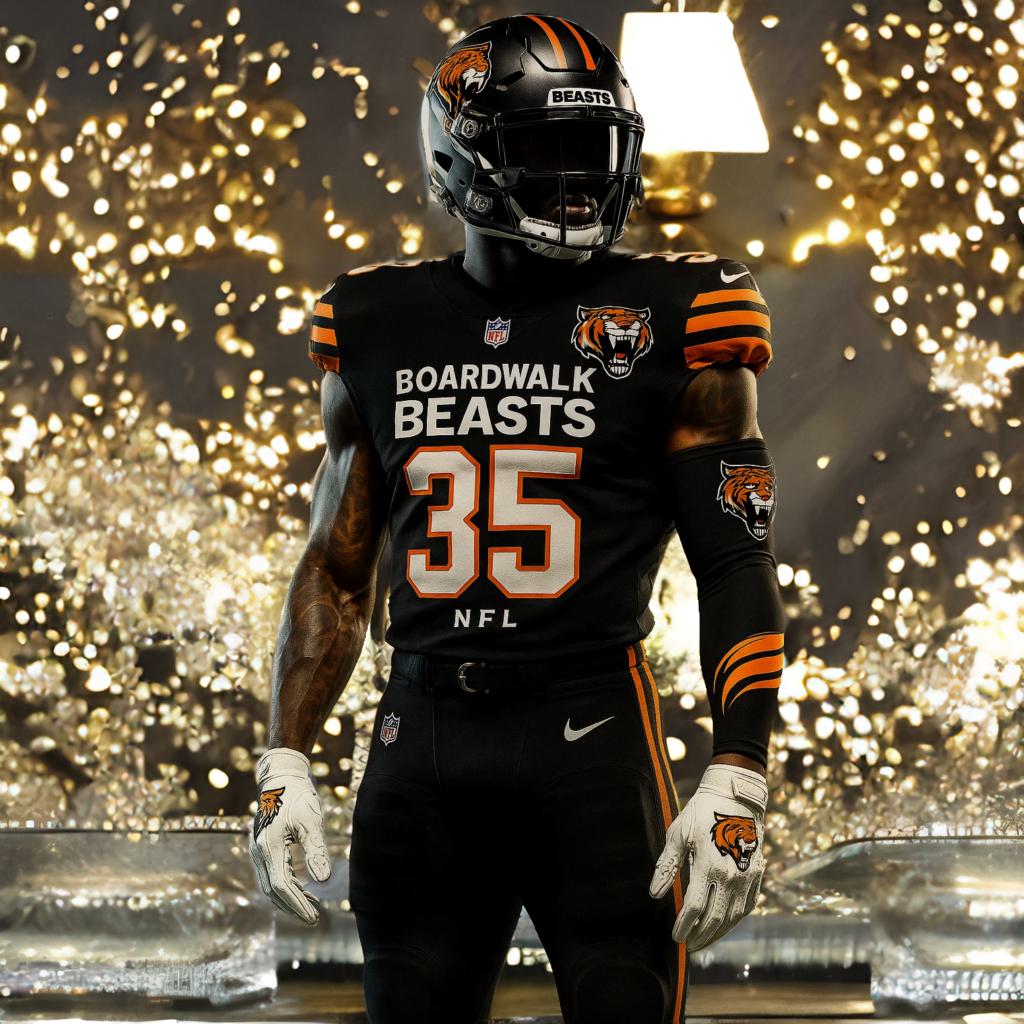
At Boardwalk Beasts Football Club, we don't just train you to be better athletes; we prepare you for the next level. Whether it's through our 7v7 passing leagues or our elite QB/WR series, we provide the platform for you to showcase your skills.
Ready to stop making excuses and start getting noticed?
The clock is ticking. Every day you wait is a day someone else is outworking you and out-marketing you. Take control of your future right now.
GET NOTICED. GET RECRUITED. JOIN THE BEASTS.
Check out our full schedule of events and showcases at myfootballcamps.com/schedule. For more recruiting tips and high-level training, visit coachschuman.com and boardwalkbeastsfb.com. Your D1 journey starts here.
Sonny, after publishing this, please post the link to the blog at nucsports.com on all our social channels.
About Author
