
The Case For and Against Private Equity in Youth Sports: Is Capital Helping or Hurting the Game?
Private equity is flooding into youth sports like never before. Walk into any major youth sports facility these days, and you'll see the fingerprints everywhere, gleaming new turf, state-of-the-art scoreboards, branded everything, and price tags that'll make your head spin.
But here's the uncomfortable question that's been gnawing at me: Where is all this money actually going? And more importantly, is it making youth sports better for the kids who play them?
Ready to see what real youth development looks like? Check out our programs at Boardwalk Beasts Football Club where we put players first, not profit margins.
The Case FOR Private Equity: The Shiny Promise
Let me be fair here. On paper, the private equity pitch sounds pretty compelling.
Better Facilities and Infrastructure
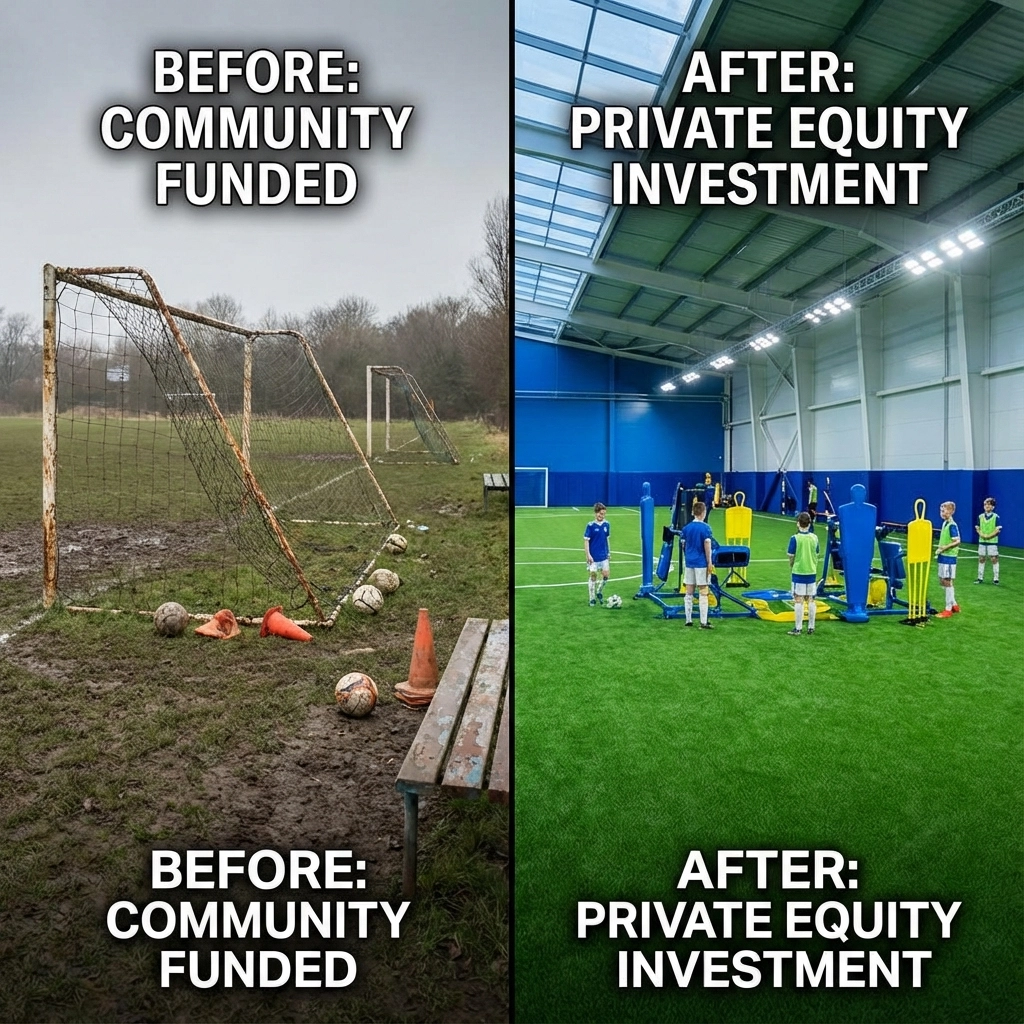
Walk into a PE-backed facility and you'll immediately notice the difference. The fields are pristine. The locker rooms don't smell like a gym sock convention. The equipment is top-notch, and everything just feels more… professional.
These aren't your old community rec center fields with patchy grass and rusty goalposts. We're talking about facilities that rival what college programs use. For kids who've never experienced that level of quality, it can be genuinely inspiring.
Operational Excellence
Private equity brings something most youth sports organizations desperately need: actual business expertise. Better scheduling systems, streamlined registration processes, professional marketing, and data analytics that help track player development.
Instead of Coach Bob trying to manage team rosters on a napkin, you get sophisticated systems that can handle everything from payment processing to performance tracking. That's not nothing.
Scale and Access (In Theory)
The idea is that by consolidating smaller programs under larger umbrellas, these companies can bring high-quality coaching and training to areas that never had access before. A small town in rural America suddenly gets the same level of instruction as kids in major metropolitan areas.
Investment in Coaching Education
Some PE-backed organizations genuinely invest in coach certification programs, bringing in former college and pro players as instructors, and creating more structured development pathways.
When it works, it really works.
The Case AGAINST: The Reality Check
But here's where things get messy. Because what looks good in a boardroom presentation doesn't always translate to what's happening on the field.
The Fee Problem Is Real
Let's talk numbers. Youth sports costs have skyrocketed 46% in just five years. Elite programs routinely cost families $15,000-25,000 annually. That's not a typo.
I've watched families mortgage their houses to keep their kids in these programs. I've seen talented athletes drop out not because they weren't good enough, but because their parents couldn't afford another tournament fee increase.
When you're optimizing for revenue per participant instead of total participation, you're fundamentally changing who gets to play sports in America.
More Tournaments, Less Development
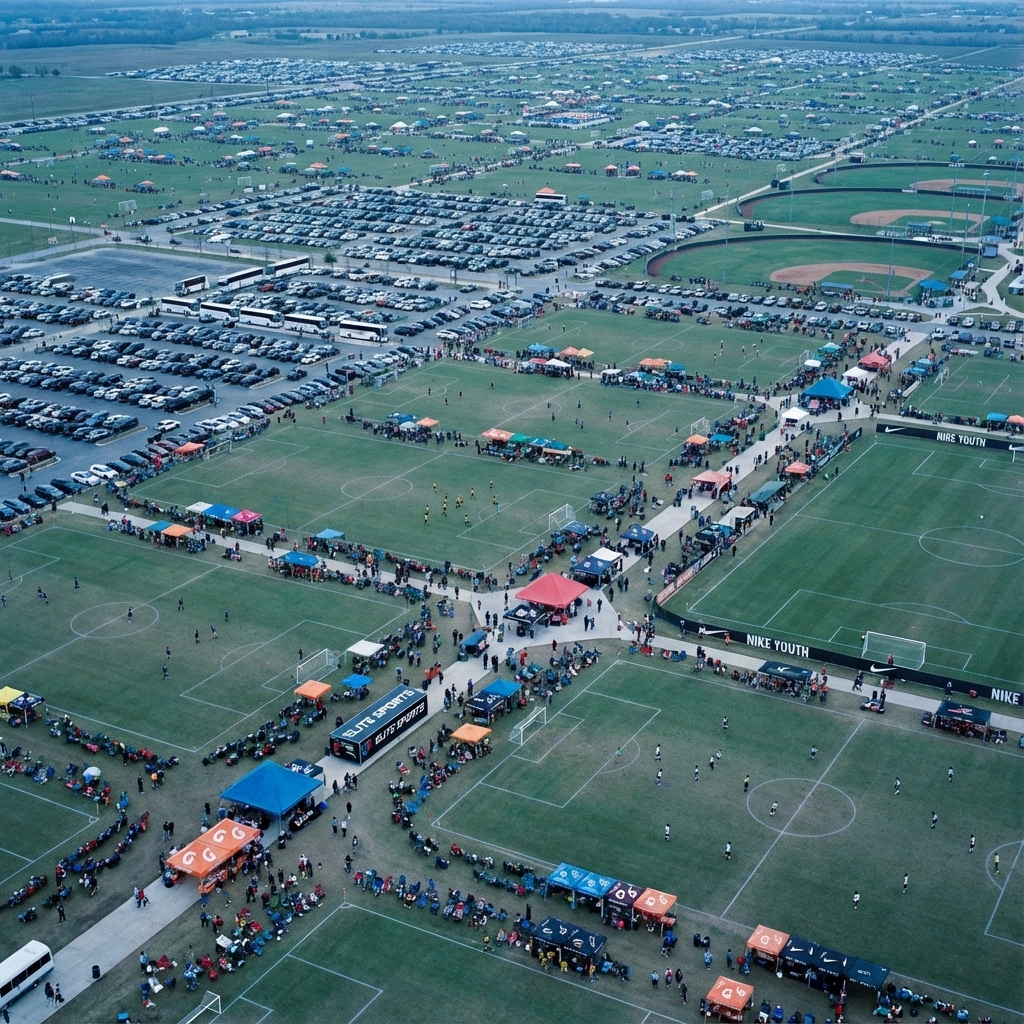
Here's what really gets me: the shift from development to events. These PE firms make their money on tournament entry fees, facility rentals, and merchandise sales. So guess what gets prioritized?
More tournaments. More showcases. More "exposure events."
But are kids actually getting better coaching? Are they learning fundamentals? Are they developing a genuine love for the game?
Or are they just getting shuffled from one expensive tournament to another while their parents chase the scholarship dream that statistically almost none of them will achieve?
The "Units" Problem
This might be the part that bothers me most. When private equity talks about youth sports, they use language like "units," "users," "ARPU" (average revenue per user), and "customer acquisition costs."
These aren't units. They're kids.
They're 10-year-olds who just want to play football with their friends. They're 14-year-olds trying to figure out if they're any good at this sport they love. They're 16-year-olds dealing with the pressure of trying to earn a college scholarship.
When you start viewing them as revenue sources first and young athletes second, something fundamental shifts in how you make decisions about their experience.
Same Problems, Higher Prices
Here's the kicker: most of the core problems in youth sports haven't been solved by private equity investment. Kids are still burning out at alarming rates. Overuse injuries are still epidemic. The pressure is still crushing. Parents are still losing their minds on the sidelines.
We just have shinier facilities while it all happens.
The Real Question: Growth or Extraction?
So here's what I keep coming back to: Is this genuine growth, or is it just financial extraction dressed up as improvement?
Because if private equity investment were truly improving youth sports, we should see:
- More kids staying in sports longer
- Better trained coaches across the board
- Healthier training schedules that prevent burnout
- Clear development pathways that don't bankrupt families
- More joy in the game, not less
Instead, what we're often seeing is:
- Higher costs that exclude more families
- More focus on branding and marketing than coaching education
- Pressure to travel further and play more to justify the fees
- Coaches who are better at sales than skill development
What Real Investment Looks Like
Don't get me wrong, I'm not anti-business. Youth sports organizations need to be sustainable. Coaches deserve to be paid well. Facilities should be maintained properly.
But there's a difference between building a sustainable business around youth development and building a financial extraction machine that happens to involve kids playing sports.
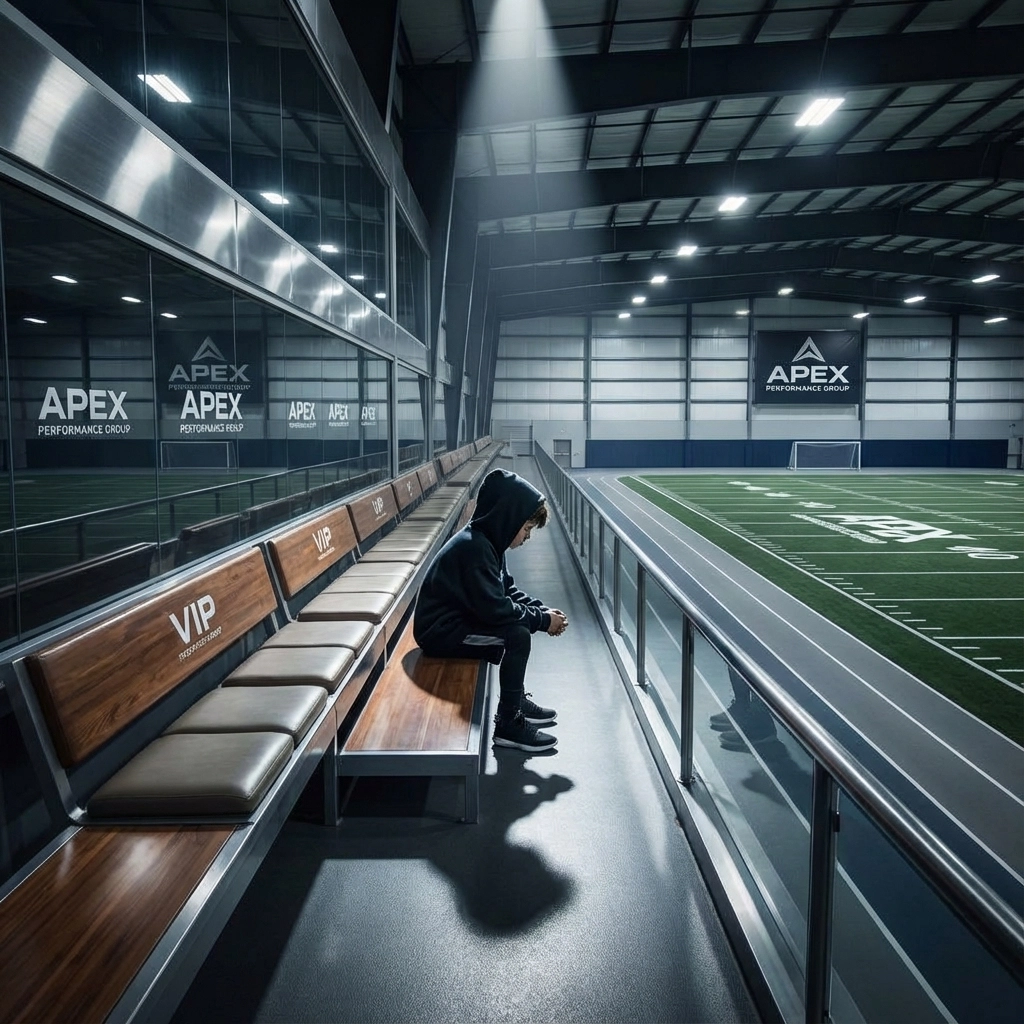
Real investment in youth sports should improve the experience for everyone involved: kids, parents, and coaches. It should make the sport more accessible, not less. It should prioritize long-term athlete development over short-term revenue maximization.
The Boardwalk Beasts Approach
At Boardwalk Beasts Football Club, we've seen this trend firsthand, and we've made some conscious decisions about how we want to operate.
Yes, we want to grow. Yes, we want to be financially sustainable. But our growth has to serve the kids first, not the other way around.
That means:
- Keeping our programs accessible to families at different economic levels
- Investing in coach education before we invest in flashy marketing
- Building development pathways that focus on long-term growth, not tournament wins
- Creating an environment where kids actually enjoy playing football
We'd rather have 200 kids who love the game than 50 kids whose parents can afford premium packages.
The Bottom Line
Private equity isn't inherently evil, and it's not inherently good. It's a tool. The question is: how is that tool being used?
If PE firms are genuinely committed to improving youth sports: making it more accessible, more developmentally appropriate, and more joyful: then there's potential for real positive impact.
But if they're just looking for the fastest way to extract maximum revenue from parents' dreams and kids' athletic ambitions, then we're in trouble.
The test isn't whether facilities get nicer or whether marketing gets slicker. The test is whether more kids are playing sports, staying in sports longer, and having positive experiences that last a lifetime.
Because at the end of the day, youth sports should be about developing young people, not just developing revenue streams.
Want to experience youth sports done right? Visit our programs and see how we're building something different. Because when you put kids first, everything else falls into place.
About Author
