7v7 Defensive Secrets Revealed: What the Best Coaches Use to Shut Down Elite WRs
Ready to elevate your game? Whether you are a lockdown corner or a coach looking to stifle high-powered offenses, you need the right tools. Check out our upcoming camps and resources at myfootballcamps.com, visit coachschuman.com, and see how we do things at boardwalkbeastsfb.com.
7v7 football is an offensive playground. With no offensive line to worry about and a quarterback who usually has a clean pocket, elite wide receivers often feel like they own the field. They run crisp routes, exploit cushions, and turn simple slants into highlight reels.
But here’s the secret: the best defensive minds in the country don’t view 7v7 as a disadvantage. They view it as a laboratory for elite coverage. At Boardwalk Beasts Football Club, we don’t just "play defense": we dismantle passing attacks. To shut down a Division I prospect at wideout, you can’t just be fast; you have to be technically superior and mentally tougher.
Here are the professional-level defensive secrets the best coaches use to shut down elite WRs in the 7v7 circuit.
1. Mastery of Leverage and Positioning
In man-to-man coverage, your "leverage" is your lifeline. If you lose your leverage, you lose the rep. Elite receivers thrive on creating "two-way goes," where they have the space to break either inside or outside. Your job as a defender is to take one of those away immediately.
Inside vs. Outside Leverage
Most elite 7v7 coaches preach inside leverage. By aligning slightly to the inside of the receiver, you are forcing them toward the sideline: essentially using the boundary as an extra defender. If the receiver tries to break across your face on a slant or a post, you are already in the path.
However, positioning isn't just about where you stand at the snap; it’s about maintaining that "hip-to-hip" relationship through the break. We teach our Boardwalk Beasts athletes to focus on the receiver's near hip. If you watch the eyes or the feet, you’ll get hit with a double-move. If you lock onto the hip, it tells you exactly where that body is going.
2. The Non-Contact "Jam" Technique
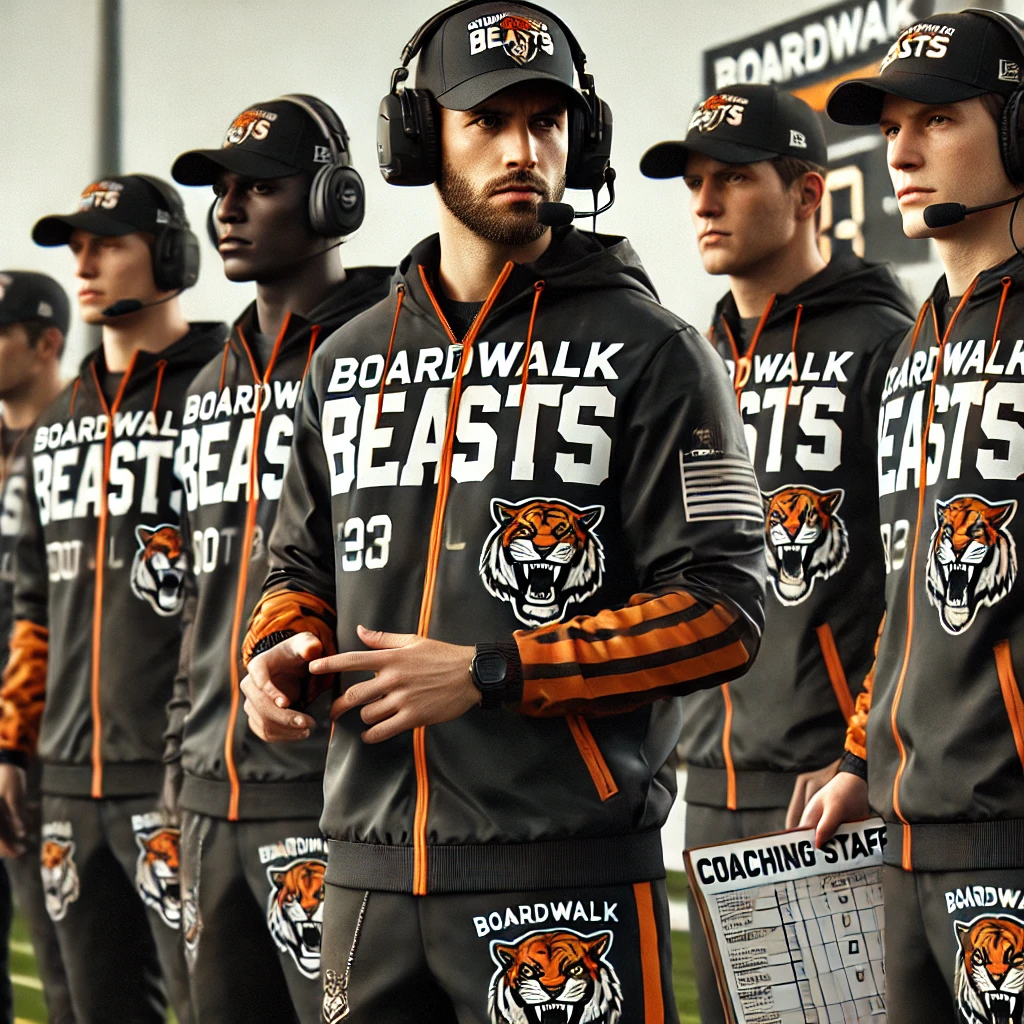
Even in 7v7 settings where traditional press-man contact is restricted or flagged, you can still "jam" a receiver’s timing. This is often called "Mirror-Press."
Instead of lunging and reaching (which gets you beat over the top), the best defenders use their feet to stay directly in front of the receiver's path. By "clogging" the release, you force the WR to take a wide path around you. This adds a split second to the route: a split second that the QB might not have.
At our skill-specific camps, we emphasize the "inch-back" technique. You stay low, keep your weight on your toes, and mirror the receiver's first three steps without giving up your cushion too early. If you can disrupt the first 1.5 seconds of a route, the 7v7 play-clock is already working in your favor.
3. Communication: Handling Bunch Formations and Motion
Elite offenses love "Bunch" formations (three receivers tight together) and "Stack" looks. Why? Because they create natural "rub" or "pick" routes that leave defenders tangled up.
The secret to beating this isn't individual athleticism: it’s communication. The best secondaries use "Banjo" or "In-Out" calls:
- Banjo: You and your teammate agree that whoever breaks outside is your man, and whoever breaks inside is his. You aren't chasing a specific jersey; you are guarding a direction.
- Passing Off: This requires elite chemistry. When a receiver crosses another’s path, the defenders "switch" their assignments seamlessly.
Without talking, you’re just guessing. Our Boardwalk Beasts coaches drill these scenarios constantly because a silent secondary is a losing secondary.
4. The Matchup Zone: A Hybrid Nightmare
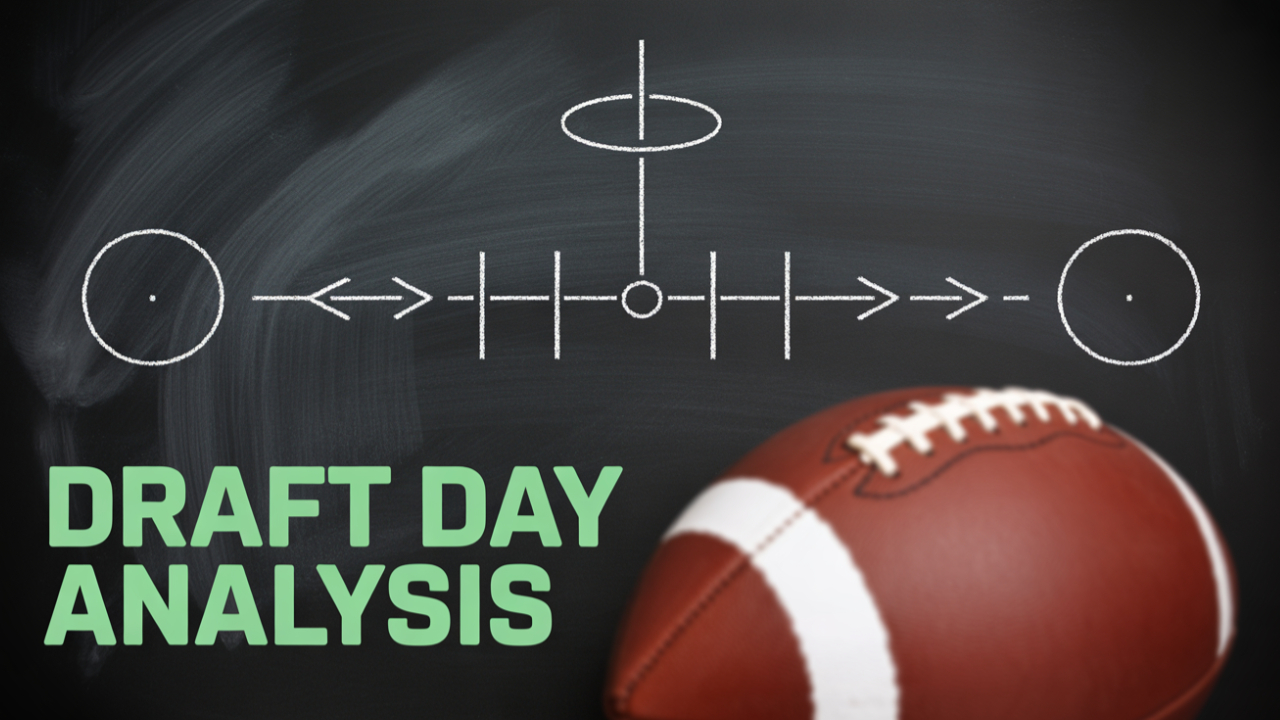
Pure zone coverage in 7v7 is often a recipe for disaster against elite QBs who can find the "holes" in the defense. That’s why the best coaches use Matchup Zone principles.
In a 1-4-2 or a 2-3-2 zone, your defenders aren't just standing in a spot on the grass. They are looking for "threats" entering their area. Once a receiver enters your zone, you switch to man-to-man coverage on them until they leave. This prevents "overloading" where an offense puts two receivers in one defender's area.
Research shows that using a 1-3-1 formation can also be highly effective. It places heavy emphasis on the linebacker's ability to take away the middle of the field, forcing the QB to make difficult, long-distance throws to the boundaries.
5. Using 'Bracket' Coverage
If you’re facing a five-star recruit who is torching everyone, it’s time to "Bracket." This is essentially a high-low double-team.
- The Underneath Defender: Trails the receiver, taking away the short crossing routes and slants.
- The Over-the-Top Defender: Stays 5-10 yards deep, ensuring no "Go" routes or deep posts get behind them.
Bracketing forces the QB to look elsewhere. In 7v7, taking away the primary read often leads to a "coverage sack" (the 4-second whistle).
6. The Mental Game: Baiting the Quarterback
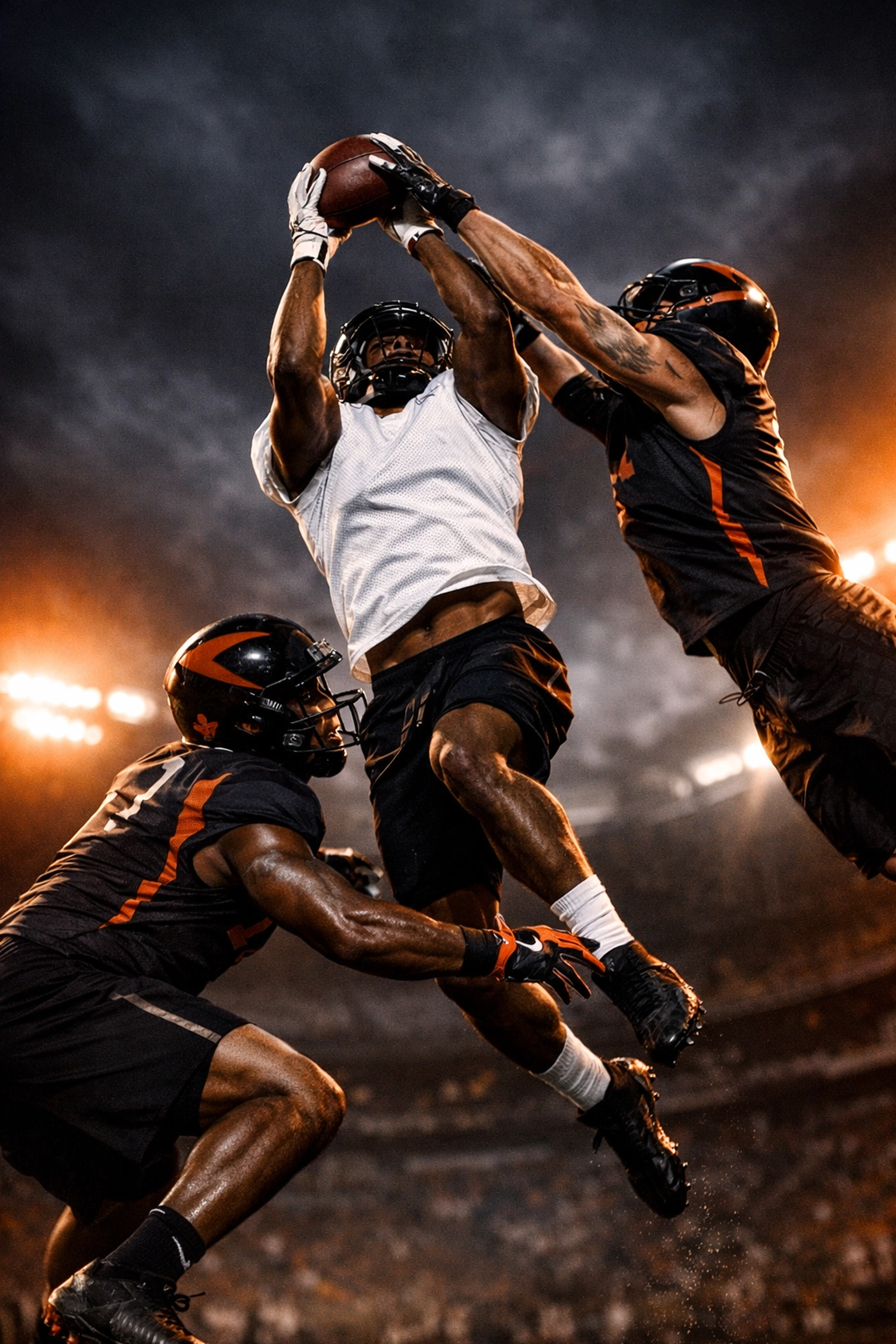
Defense isn't just about reacting; it’s about dictating. Elite defensive backs learn how to "bait" a quarterback into a bad throw.
One common tactic is to play "off" coverage, making it look like the receiver has an easy 5-yard hitch. The moment the QB begins his throwing motion, the DB breaks on the ball with full speed. Another trick is Defensive Disguise. You might line up showing a Cover 2 look (two high safeties) and then rotate into a Cover 1 (single high safety) right at the snap. This split-second of confusion for the QB is all you need to jump a route and take it to the house.
7. Pass Rush and Peel Pressure
Even though there’s no "sacking" in the traditional sense, the rush is vital. Rushing the quarterback’s throwing arm side limits their vision.
The concept of Peel Pressure is critical. If the quarterback holds the ball too long, the defenders need to tighten their coverage even more. In 7v7, the longer the play goes, the more likely a receiver is to find an open patch of grass. The "pass rush" is the clock. Coaches who understand this emphasize a "count-up" mentality: knowing exactly when that whistle is going to blow and playing the route accordingly.
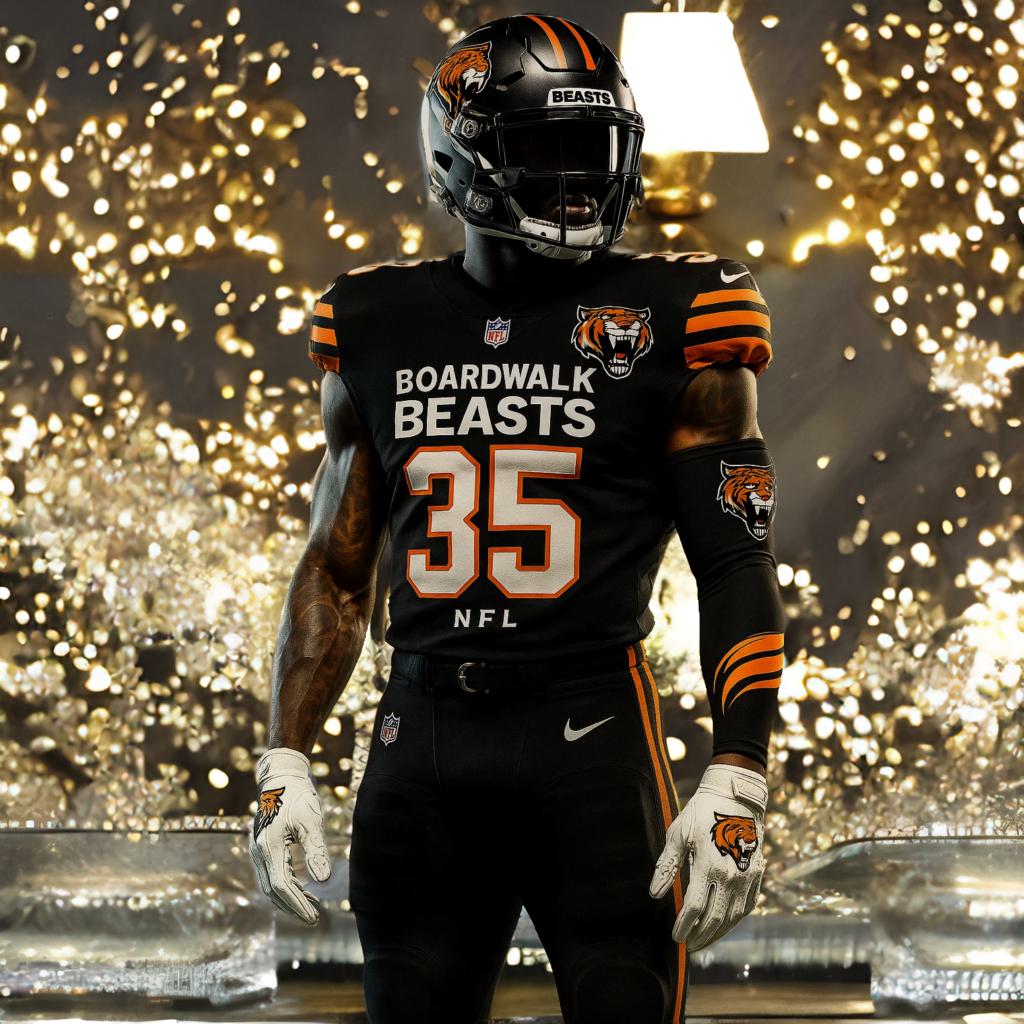
Why Boardwalk Beasts Coaches Dominate
The difference between a good 7v7 team and a championship team is the coaching. At Boardwalk Beasts, we take professional concepts and distill them for the youth and high school levels. Our athletes are taught:
- How to read a QB’s eyes without losing track of their man.
- The proper "backpedal-to-weave" transition to stay on top of vertical routes.
- The "Point of Attack" mentality: attacking the ball at its highest point, not just playing the receiver.
We believe that defense wins championships, even in a "passing league." Our results in summer flag matchups and major tournaments speak for themselves. We prepare our guys for the next level by treating 7v7 as the ultimate skill-development platform.
Summary Checklist for Lockdown Defense
- Protect Your Leverage: Don't give up the "two-way go."
- Talk Early and Often: Banjo calls eliminate rub-route confusion.
- Be Physical (Within the Rules): Mirror the release and disrupt timing.
- Bait the QB: Use your eyes to deceive and your feet to close.
- Finish the Play: High-point the ball and secure the turnover.
If you’re ready to prove you’re the best defender on the field, it’s time to get to work. Don't wait for the season to start; the work happens now.
Take the next step in your football journey. Register for our elite series at myfootballcamps.com/qbwr-elite-series, check out our full schedule, and learn more about our philosophy at boardwalkbeastsfb.com. Let’s get to work!
After publishing this article, I will notify Sonny (social media manager) with the exact blog link for social media posting. Stay tuned for more elite performance tips!
About Author
