
Building Digital Recruiting Presence for Middle Schoolers – Too Early or Essential Preparation?
The question hits every parent of a talented middle school athlete: Should we start building a digital recruiting presence now, or wait until high school? It's a debate that's become increasingly urgent as college recruiting has shifted earlier and social media has transformed how coaches discover talent.
The short answer? It's not too early: it's essential preparation.
But that doesn't mean diving in headfirst without a strategy. Building a smart digital presence for middle schoolers requires understanding the landscape, weighing real risks against potential benefits, and taking measured steps that protect young athletes while positioning them for future success.
Why Starting Early Makes Competitive Sense
College football recruiting has accelerated dramatically over the past decade. Coaches are identifying talent earlier, making offers to sophomores and juniors, and building relationships with prospects years before they graduate. By the time your athlete reaches high school, they're already competing against players who've been on coaches' radars for months or years.
The visibility advantage is real. Coaches use social media and recruiting platforms to scout talent, especially when travel budgets are tight. A well-managed digital presence ensures your athlete appears in searches, gets noticed at camps, and stays connected with coaching staffs who might otherwise forget them after a brief interaction.
Consider this: when a coach meets 200 players at a one-day camp, which athlete stands out six months later? The one they can easily find online, see recent highlights from, and follow their continued development. Digital presence isn't about flashy self-promotion: it's about staying visible and accessible in a crowded recruiting landscape.
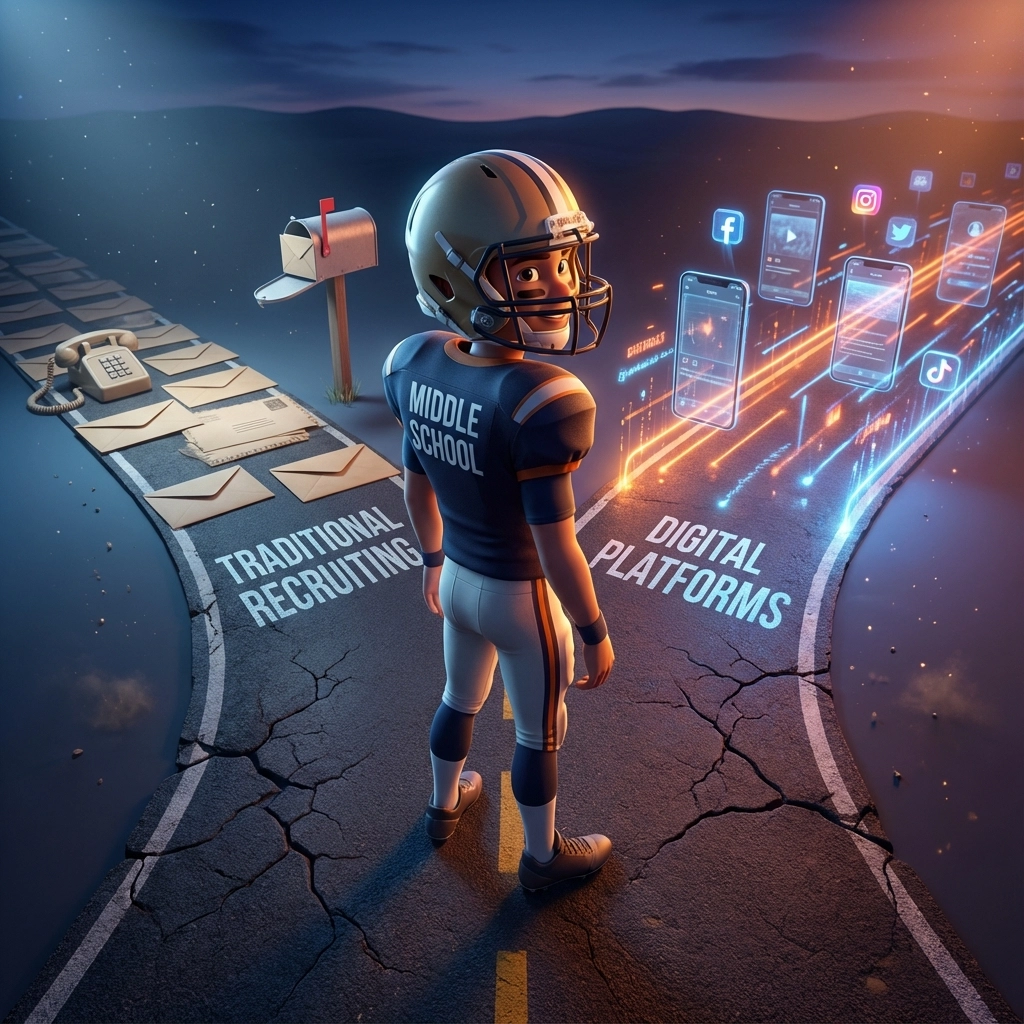
Middle schoolers also benefit from building communication skills through managed social media interactions. Learning to present themselves professionally, engage respectfully with coaches, and share their athletic journey builds confidence and communication abilities that serve them well beyond football.
The Real Risks Parents Should Consider
Starting a digital presence early does come with legitimate concerns. Privacy and safety top the list. Young athletes posting location data, personal information, or inappropriate content can create serious safety risks or damage their reputation before they even understand the consequences.
Pressure and burnout represent another real danger. Some young athletes feel overwhelmed by maintaining an online presence, worry constantly about their follower count, or develop unhealthy relationships with social media validation. The mental health impacts of early social media exposure are well-documented and shouldn't be dismissed.
There's also the permanency problem. Middle schoolers make mistakes: they post questionable content, engage in online drama, or share opinions they'll later regret. Unlike other teenage missteps, these digital footprints can haunt them through their recruiting process and beyond.
Academic balance becomes crucial when young athletes start receiving recruiting attention. Some get so focused on their digital brand that grades suffer, or they prioritize posting content over actual skill development.
The Right Platforms for Young Athletes
Not all social media platforms serve young athletes equally well. Twitter/X remains the primary communication tool between prospects and coaches. It's where recruiting news breaks, coaches share updates, and athletes build relationships with coaching staffs. For middle schoolers, Twitter should focus on sharing achievements, academic milestones, and respectful interactions with coaches and teammates.
Instagram works best for visual storytelling: training videos, game highlights, team celebrations, and behind-the-scenes content that shows personality and character. The platform's visual nature makes it ideal for showcasing work ethic and team chemistry without requiring extensive writing skills.
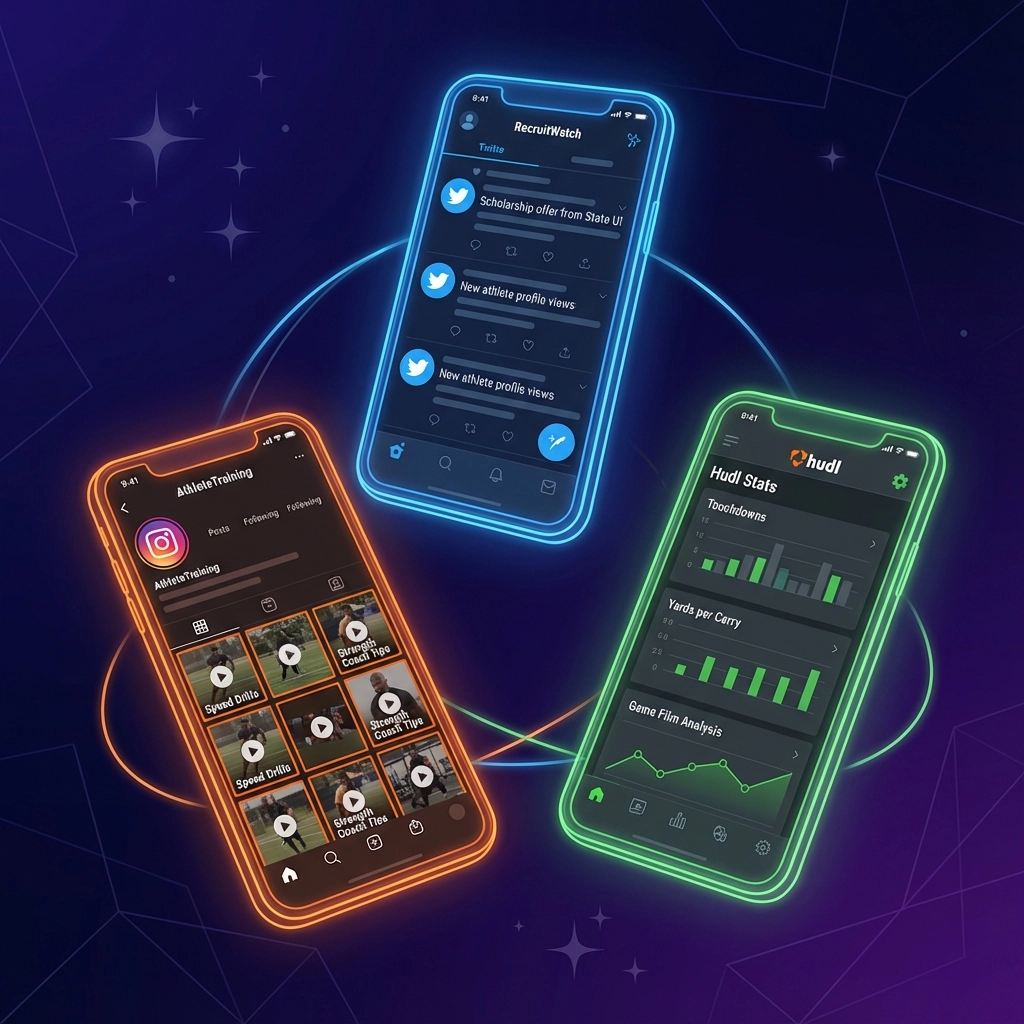
Hudl stands apart as the most recruiting-focused platform. It's designed specifically for athletic film sharing and provides analytics that help coaches evaluate talent. Middle schoolers should prioritize building a quality Hudl profile with organized film, accurate stats, and updated academic information.
TikTok and Snapchat can be part of an athlete's personal social media presence but shouldn't be considered recruiting tools. These platforms skew younger and more casual, making them less effective for serious recruiting communication.
Age-Appropriate Content That Actually Helps
The key to successful middle school recruiting content is authenticity without oversharing. Focus on content that demonstrates character, work ethic, and genuine passion for football.
Training content works well: videos of skill development, strength training, or position-specific drills show dedication and improvement over time. Keep it real rather than overly produced.
Academic achievements should feature prominently. Post about honor roll recognition, academic awards, or community service. Coaches evaluate the whole person, and academic success signals coachability and responsibility.
Team-first content resonates with coaches. Celebrate teammates' successes, share team achievements, and demonstrate leadership. Avoid individual highlight reels that ignore team context.
Avoid personal drama, controversial opinions, or content that doesn't add value to your athletic story. When in doubt, don't post it.
Simple Steps for Parents and Athletes
Getting started doesn't require expensive consultants or complex strategies. Begin with platform setup: create clean, professional profiles on Twitter, Instagram, and Hudl using consistent usernames and appropriate profile photos.
Establish posting guidelines as a family. Decide who approves content before it goes live, set boundaries around personal information sharing, and create a schedule that doesn't overwhelm school and training commitments.
Start documenting consistently rather than waiting for perfect content. Regular posts showing training, academic work, and team activities build a more compelling story than sporadic highlight reels.
Engage authentically with coaches, teammates, and the football community. Respond to recruiting posts respectfully, congratulate other athletes on their achievements, and build genuine relationships rather than transactional connections.
Monitor everything closely. Set up Google alerts for your athlete's name, regularly review all posted content, and address any issues immediately. Digital reputation management becomes a family responsibility.
Expert Perspective: Building Smart Foundations
Organizations like NUC Sports have seen the recruiting landscape evolution firsthand. Their experience working with thousands of young athletes provides clear guidance: early digital presence works best when it focuses on authentic relationship-building rather than premature self-promotion.
According to recruiting experts, the athletes who benefit most from early digital presence share common characteristics: they maintain academic excellence, demonstrate consistent work ethic, and use social media to build genuine connections rather than seeking instant fame.
The most successful middle school digital strategies emphasize long-term development over immediate results. Athletes who start early but focus on skill improvement, academic success, and character development typically see better recruiting outcomes than those who prioritize follower counts or viral content.
Practical Recommendations for Competitive Families
Start building your middle schooler's digital recruiting presence, but do it strategically. Begin with foundation-building: create professional profiles, establish content guidelines, and focus on authentic documentation of their athletic and academic journey.
Prioritize privacy and safety above all else. Use privacy settings appropriately, never share location data, and maintain family oversight of all social media activity.
Focus on substance over style. Coaches care more about character, coachability, and consistent improvement than follower counts or viral videos. Build a digital presence that reflects those qualities.
Stay patient and consistent. Digital recruiting presence is a marathon, not a sprint. The athletes who see the best results maintain steady, authentic engagement over years rather than seeking immediate attention.
The recruiting world has changed, and waiting until high school puts your athlete at a disadvantage. But starting early means starting smart: building authentic digital presence that protects young athletes while positioning them for future success.
For families ready to take this step seriously, partnering with experienced organizations that understand both football development and recruiting strategy can provide valuable guidance. The goal isn't to create social media stars: it's to ensure talented young athletes get noticed by the right people at the right time.
Building digital recruiting presence for middle schoolers isn't just appropriate; it's essential preparation for the competitive reality of modern football recruiting. The key is doing it right from the start.
About Author
